

Kısır – Turkey: Traditional Turkish Bulgur Salad with Fresh Herbs

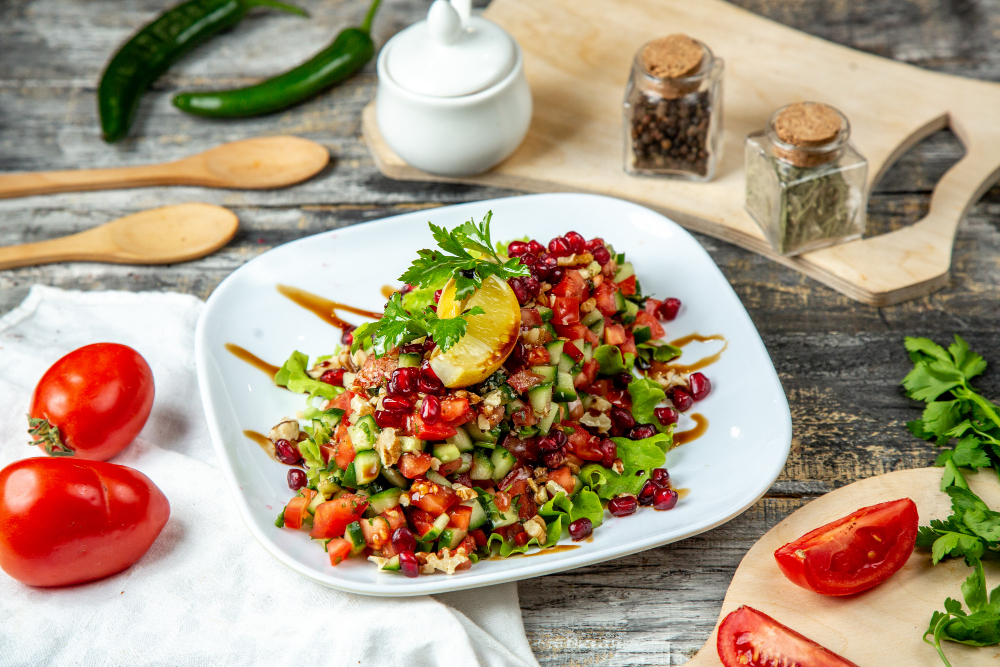
Turkish cuisine is celebrated for its colourful ingredients, fresh herbs, balanced flavours and dishes that bring together simplicity and culinary tradition. Among its popular vegetarian preparations, Kısır holds a special place. This refreshing bulgur salad is made with fine bulgur wheat, tomato paste, parsley, mint, lemon juice and pomegranate molasses. Its combination of tangy, savoury and mildly sweet flavours creates a distinctive dish that is enjoyed across Turkey, particularly as part of family meals, social gatherings and traditional sharing tables.
Kısır is more than an ordinary grain salad. It represents the Turkish approach to preparing satisfying food from accessible ingredients while maintaining a balance between freshness and flavour. Fine bulgur forms the foundation of the dish, absorbing the flavours of tomato paste, spices and citrus dressing. Fresh parsley and mint introduce fragrance, while pomegranate molasses provides a characteristic tangy sweetness that makes the salad particularly memorable.
The dish is generally served cold or at room temperature, making it suitable for warm weather and informal gatherings. Its bright colour comes from the combination of bulgur, tomato paste, herbs and other vegetables. Unlike salads that rely mainly on leafy greens, Kısır is a grain-based preparation that can be enjoyed as a light meal, side dish or part of a larger vegetarian spread.
Its versatility is another reason for its popularity. The basic preparation can be adjusted according to regional traditions and personal preferences. Some versions contain more tomato paste and spices, while others highlight fresh herbs, lemon and pomegranate molasses. Despite these differences, the essential character of Kısır remains connected to fine bulgur, aromatic seasoning and fresh ingredients.
The Cultural Significance of Kısır in Turkey
Kısır is a well-known preparation in Turkish home cooking and is particularly associated with gatherings where several dishes are served together. It is commonly prepared for afternoon visits, family occasions, celebrations and social meals. Its ingredients are relatively accessible, and a large quantity can be prepared without requiring complicated cooking equipment.
The dish is especially familiar in Turkish domestic food culture, where preparing food for guests is an important expression of hospitality. Kısır is often served alongside other small dishes, salads and savoury snacks. Its colourful appearance and refreshing taste make it suitable for sharing, while its bulgur base gives it enough substance to be more filling than a conventional vegetable salad.
Although Kısır is enjoyed throughout Turkey, its preparation can differ from one region and household to another. The balance of tomato paste, pepper paste, herbs, spices and citrus varies according to local preferences. Some versions are relatively mild and fresh, while others have a deeper red colour and stronger seasoning.
The dish also reflects the importance of wheat and bulgur in the wider food traditions of Turkey and neighbouring regions. Bulgur has been used in many forms of regional cooking for generations, appearing in pilafs, soups, stuffed vegetables and grain-based salads. Kısır demonstrates how this familiar ingredient can become the foundation of a fresh and flavourful preparation.
Bulgur Wheat: The Foundation of Kısır
Bulgur is the most important ingredient in Kısır. It is made from wheat grains that are cooked, dried and cracked into different sizes. For this salad, fine bulgur is generally preferred because it can soften by absorbing hot water or seasoned liquid without requiring lengthy boiling.
The fine texture allows the grains to absorb tomato paste, lemon juice and other seasonings evenly. Once hydrated, bulgur becomes tender while retaining a slight bite. This texture is important because Kısır should not resemble a soft porridge. The grains need to remain separate enough to create a light and balanced salad.
Bulgur is also valued for its nutritional qualities. It provides complex carbohydrates, dietary fibre and several minerals. Because it is made from whole wheat, it can retain more of the grain’s natural components than highly refined grain products. Its fibre content contributes to the overall nutritional value of the dish.
The preparation of bulgur requires attention to the quantity of liquid used. Too much water can make the grains excessively soft and sticky, while too little may leave them firm and dry. Allowing the bulgur to rest after hydration gives the grains time to absorb moisture evenly. Fluffing it gently before adding the remaining ingredients helps create the characteristic texture of Kısır.
Tomato Paste and Pepper Paste: Building the Base Flavour
Tomato paste gives Kısır its rich colour and savoury foundation. It adds concentrated tomato flavour that blends with the bulgur and creates a deeper taste than fresh tomatoes alone can provide. In many preparations, tomato paste is combined with red pepper paste to introduce additional flavour and mild heat.
Red pepper paste is familiar in Turkish cuisine and may be prepared using sweet or hot peppers. Its flavour varies according to the type of peppers used and the preparation method. When added to Kısır, it provides a slightly fruity, savoury character that complements the acidity of lemon and pomegranate molasses.
The pastes are often mixed with olive oil and seasonings before being combined with the hydrated bulgur. This helps distribute their flavour throughout the grains rather than leaving concentrated patches in the salad. Some cooks gently warm the mixture to make it easier to combine, while others mix the ingredients directly.
The quantity of tomato and pepper paste can be adjusted according to the desired intensity. A larger amount produces a deeper red colour and a stronger savoury flavour, while a lighter quantity allows the fresh herbs and citrus dressing to become more prominent.
Parsley and Mint: The Freshness of Turkish Herbs
Fresh parsley is one of the defining ingredients of Kısır. It introduces a clean, slightly peppery flavour that balances the richness of tomato paste and olive oil. Finely chopped parsley also adds bright green colour, making the salad visually attractive.
Flat-leaf parsley is often preferred because of its strong aroma and flavour. It should be washed thoroughly and dried before chopping. Excess water from wet herbs can affect the texture of the salad, particularly when the bulgur has already absorbed its intended quantity of liquid.
Mint provides another important layer of freshness. Fresh mint has a cooling aroma that complements the sharpness of lemon and the tangy character of pomegranate molasses. It also balances the earthier taste of bulgur and the concentrated flavour of tomato paste.
The quantity of mint should be balanced with parsley. Too much can dominate the salad, while too little may make its flavour less noticeable. Finely chopped herbs are usually mixed into the bulgur after it has cooled sufficiently. This helps preserve their freshness and prevents them from losing their colour and aroma.
Together, parsley and mint give Kısır its recognisable herbal character. They transform the grain mixture into a refreshing salad that feels lighter and more vibrant.
Lemon Juice and Pomegranate Molasses: Balancing the Flavours
The dressing is essential to the identity of Kısır. Lemon juice and pomegranate molasses provide the acidity that balances the savoury ingredients and brings the entire preparation together.
Fresh lemon juice introduces a bright citrus flavour. Its acidity cuts through the richness of olive oil and complements the sweetness of tomato paste. It also gives the salad a refreshing finish, making it particularly enjoyable when served chilled or at room temperature.
Pomegranate molasses is a concentrated syrup made from reduced pomegranate juice. It has a distinctive combination of tanginess, fruitiness and mild sweetness. In Turkish cooking, it is used in salads, vegetable dishes and other savoury preparations. In Kısır, it contributes a deeper and more complex flavour than lemon juice alone.
The two ingredients perform different but complementary roles. Lemon provides a sharp, fresh acidity, while pomegranate molasses adds concentrated fruit flavour and a slightly sweet-sour character. Their proportions can be adjusted according to personal preference, but neither should overpower the herbs or bulgur.
A good dressing should be noticeable without making the salad excessively sour or wet. It should coat the grains lightly and allow the individual ingredients to remain distinguishable.
The Role of Vegetables and Seasonings
Although bulgur, tomato paste and fresh herbs form the foundation of Kısır, additional vegetables can contribute texture, colour and flavour. Finely chopped spring onions are commonly used because they provide a mild sharpness that works well with parsley and mint. Red or green peppers may also be added for a slightly sweet and crunchy texture.
Cucumber and tomato can appear in some variations, although they introduce additional moisture. If fresh tomatoes are used, they should be finely chopped and added in moderation. Excessive liquid can make the bulgur salad soggy, particularly if it is prepared in advance.
Spices help develop the dish’s characteristic savoury profile. Ground cumin, black pepper, red pepper flakes and paprika are suitable options. The exact combination varies across households. Some preparations are mild and herb-focused, while others include a more pronounced chilli flavour.
Olive oil is commonly used to soften the intensity of the pastes and help distribute the dressing. Its smooth texture complements the acidity of lemon and pomegranate molasses. The quantity should be controlled so that the salad remains fresh rather than greasy.
The best Kısır maintains a balance between grains, vegetables, herbs and dressing. Every ingredient should contribute to the overall flavour without making the preparation too wet or heavily seasoned.
How Traditional Vegetarian Kısır Is Prepared
The preparation begins with selecting fine bulgur wheat. The bulgur is placed in a large heat-resistant bowl and covered with an appropriate quantity of hot water. The bowl is covered and left undisturbed until the grains absorb the water and become tender. The exact resting time depends on the bulgur variety and the manufacturer’s instructions.
Once hydrated, the bulgur is gently fluffed with a fork or spoon to separate the grains. It should be soft but not mushy. If excess liquid remains, it should be drained carefully. Allowing the bulgur to cool slightly before adding the fresh herbs helps preserve their colour and aroma.
Tomato paste and, if desired, red pepper paste are then mixed with olive oil. Lemon juice, pomegranate molasses, salt and selected spices are added to create a balanced dressing. The mixture is stirred until the pastes become smooth and evenly combined.
The seasoned mixture is added gradually to the bulgur and mixed thoroughly. This stage is important because the grains need to absorb the tomato and pepper flavours evenly. The colour should become consistent throughout the bowl rather than remaining concentrated in a few areas.
Finely chopped parsley, fresh mint and spring onions are added after the bulgur has cooled sufficiently. Any additional vegetables, such as finely chopped peppers, can also be incorporated. The salad is mixed gently so that the herbs remain fresh and the grains do not become compressed.
The finished Kısır is tasted and adjusted with additional lemon juice, pomegranate molasses or seasoning if necessary. It can be left to rest for a short period so that the flavours blend. Before serving, it is mixed lightly once more to distribute the dressing and herbs evenly.
Taste, Aroma and Texture
Kısır offers a distinctive combination of tangy, savoury, herbal and mildly sweet flavours. The bulgur provides a soft yet slightly firm texture, while tomato paste contributes depth and a rich colour. Parsley and mint introduce freshness, creating a contrast with the concentrated flavour of the pastes.
Lemon juice gives the salad a bright and refreshing finish. Pomegranate molasses adds a deeper fruity acidity that makes the flavour more complex. When combined with olive oil, these ingredients create a dressing that coats the grains without making them excessively heavy.
The texture is an important part of the experience. Properly hydrated bulgur should remain tender and separate rather than forming a sticky mass. Fresh herbs and chopped vegetables introduce additional texture, while spring onions provide a mild crunch.
The aroma is equally appealing. Fresh mint and parsley are noticeable immediately, followed by the savoury fragrance of tomato paste, pepper and spices. The result is a colourful salad that feels refreshing while remaining substantial enough to serve as part of a complete meal.
Nutritional Characteristics of Kısır
Kısır combines whole-grain bulgur with fresh herbs, vegetables and plant-based seasonings. This gives it a nutritional profile that can fit comfortably into a balanced vegetarian diet. Bulgur provides complex carbohydrates and dietary fibre, while parsley, mint, peppers and other vegetables contribute vitamins, minerals and plant compounds.
Bulgur is particularly valuable because it is a wheat-based grain that retains several components of the original grain. Its fibre content supports digestive health and contributes to a feeling of fullness. It also provides minerals such as manganese, magnesium and iron, although the amounts depend on the variety and serving size.
Parsley contributes vitamin K and vitamin C, while fresh mint provides aromatic plant compounds. Tomatoes and tomato paste contain lycopene, a naturally occurring antioxidant compound. Lemon juice contributes vitamin C, and pomegranate molasses provides concentrated fruit-derived compounds, although its sugar content should be considered because it is a reduced syrup.
Olive oil supplies unsaturated fats and helps carry the flavours of the dressing. The overall nutritional value depends on the proportions of bulgur, oil, vegetables and molasses used. A preparation with generous fresh herbs and vegetables and a moderate amount of oil can make a satisfying and balanced vegetarian dish.
However, traditional Kısır is not necessarily a high-protein meal. People seeking a more protein-rich vegetarian option can serve it alongside chickpeas, lentils or other legumes. These additions can complement the salad without changing its essential flavour.
How Kısır Is Served in Turkey
Kısır is often served as part of a shared meal rather than as an isolated dish. It can appear alongside vegetable preparations, stuffed grape leaves, yoghurt-based accompaniments and other small savoury dishes. Its refreshing flavour provides a contrast to richer foods and makes it suitable for a varied vegetarian table.
Fresh lettuce leaves are sometimes used as a serving accompaniment. A spoonful of Kısır can be placed inside a lettuce leaf and eaten by hand, creating a combination of soft bulgur and crisp greens. This style of serving also highlights the salad’s suitability for informal gatherings.
The dish is commonly presented in a large serving bowl or arranged on a platter. Additional parsley, mint or lemon wedges can be used as garnish. Some households prefer to serve it slightly chilled, while others serve it at room temperature after allowing the flavours to develop.
Kısır is suitable for picnics, family visits, celebrations and everyday lunches. Since it can be prepared ahead of time, it is convenient when several dishes need to be organised for a gathering. If it is refrigerated, it should be stored in a covered container and served within a suitable period, with attention to food safety.
Regional and Household Variations
Kısır does not have one universal recipe. Its ingredients and flavour balance vary across Turkey, reflecting regional preferences and family traditions. The amount of tomato paste, pepper paste, lemon juice and pomegranate molasses can differ significantly.
Some versions have a deep red colour because they contain more tomato or pepper paste. Others are lighter and greener, with a larger proportion of parsley, mint and spring onions. The balance of acidity also changes, with some cooks preferring a strong lemon flavour and others relying more heavily on pomegranate molasses.
The texture can vary according to the size of bulgur used and the quantity of liquid added during preparation. Fine bulgur produces the familiar soft consistency, while a slightly coarser variety creates a more textured salad. However, the traditional preparation is generally associated with fine bulgur because it absorbs seasoning efficiently.
Additional vegetables may include finely chopped cucumber, tomato or peppers. Some variations use different herbs or spices, while others keep the ingredient list relatively simple. These differences demonstrate how a familiar traditional dish can remain flexible without losing its defining identity.
Why Kısır Is Popular in Modern Vegetarian Cooking
Kısır fits naturally into modern vegetarian cooking because it combines accessible ingredients, fresh flavours and practical preparation. Bulgur is widely available in many supermarkets and speciality food shops, while parsley, mint, lemon, tomatoes and peppers are familiar ingredients in numerous cuisines.
Its grain-based structure makes it more substantial than many leafy salads. It can be served as a light lunch, a side dish or part of a larger vegetarian meal. The recipe is also easy to adapt according to seasonal vegetables and individual taste preferences.
The dish offers a useful example of how traditional cuisine can support contemporary interest in plant-based eating. It does not rely on complicated meat substitutes or elaborate techniques. Instead, it uses grains, herbs, vegetables and a carefully balanced dressing to create a satisfying preparation.
Kısır is also visually appealing. Its red-orange bulgur, green herbs and colourful vegetables create an attractive presentation that works well for shared meals and food gatherings. Its combination of freshness and substance helps explain why it remains popular in Turkish households and increasingly attracts attention from people exploring international vegetarian dishes.
Conclusion
Kısır is a distinctive Turkish bulgur salad that brings together the freshness of parsley and mint, the savoury depth of tomato paste and the tangy sweetness of pomegranate molasses. Its simple ingredients create a balanced preparation that is both refreshing and satisfying. Fine bulgur provides the foundation, while lemon juice, olive oil and seasonings bring the flavours together.
Beyond its taste, Kısır reflects an important part of Turkish food culture. It is associated with hospitality, shared meals and the practical use of familiar ingredients. Its variations across households and regions demonstrate how traditional recipes can adapt while maintaining their essential character.
For vegetarian food enthusiasts, Kısır offers an excellent opportunity to explore Turkish cuisine through a grain-based dish that is colourful, flavourful and easy to prepare. Whether served as a light meal, a side dish or part of a larger spread, this traditional salad remains a memorable example of how fresh herbs, wheat and carefully balanced seasonings can create something truly distinctive.
Online Internship with Certificate
You may be interested

Tamal de Elote – Mexico: Traditional Sweet Corn Tamales
Anshika Jain - November 26, 2026Mexican cuisine is celebrated for its deep connection with corn, an ingredient that has shaped the country's agricultural history, food traditions and everyday cooking for centuries. From…

Zemiakové Placky – Slovakia: Traditional Crispy Slovak Potato Pancakes
Anshika Jain - November 26, 2026Slovak cuisine is known for its comforting preparations, hearty ingredients and traditional recipes that transform everyday vegetables into satisfying meals. Among its popular potato-based dishes, Zemiakové Placky…

Bajra Raab – Rajasthan: Traditional Pearl Millet Drink with Warming Spices
Anshika Jain - November 26, 2026Rajasthan's traditional cuisine reflects the state's climate, agricultural practices and long-standing relationship with locally available ingredients. In a region where dry weather and limited water availability have…
Most from this category

Holubtsi: Traditional Vegetarian Cabbage Rolls with Rice and Mushrooms
Anshika Jain - November 26, 2026
Maamoul Mad: Traditional Levantine Semolina Pastry with Dates and Nuts
Anshika Jain - November 25, 2026
Kashk-e Bademjan: A Traditional Persian Roasted Eggplant Delicacy
Anshika Jain - November 26, 2026Holubtsi: Traditional Vegetarian Cabbage Rolls with Rice and Mushrooms
Anshika Jain - November 26, 2026Maamoul Mad: Traditional Levantine Semolina Pastry with Dates and Nuts
Anshika Jain - November 25, 2026
Tamal de Elote – Mexico: Traditional Sweet Corn Tamales
November 26, 2026



Leave a Comment