

Ajoblanco: Chilled almond-and-garlic soup made with bread

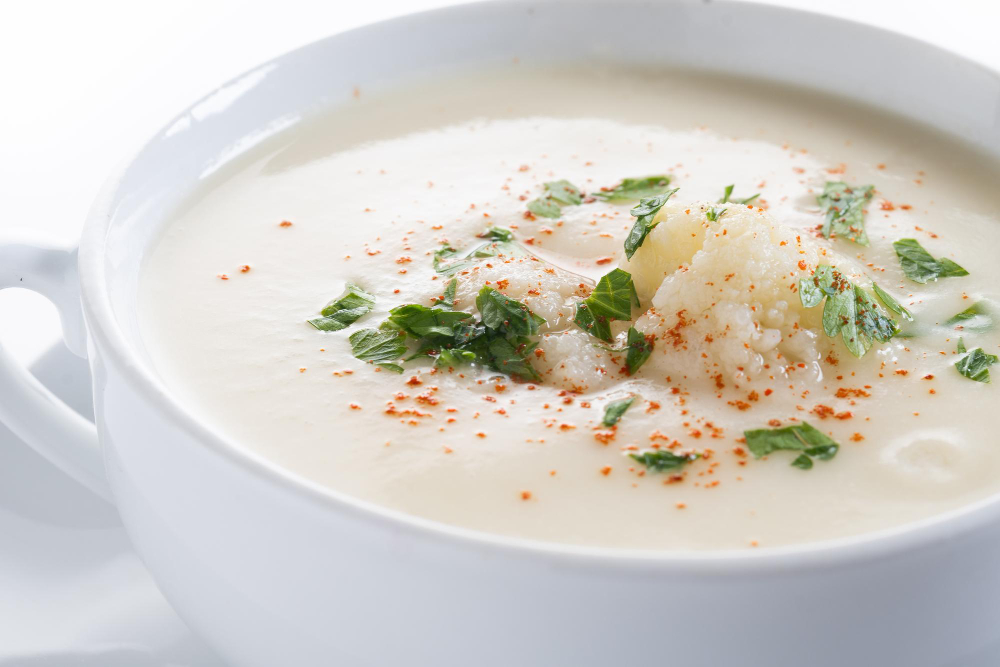
Spanish cuisine is celebrated for its regional diversity, seasonal ingredients and ability to transform simple agricultural produce into distinctive culinary experiences. Among its traditional dishes, Ajoblanco stands out as a refreshing cold soup that combines almonds, garlic, bread, olive oil and water to create a smooth, creamy preparation. Often associated with the southern Spanish regions of Andalusia and Málaga, this dish represents a culinary tradition in which locally available ingredients are used thoughtfully to produce food that is both satisfying and deeply connected to regional identity.
Unlike tomato-based cold soups such as gazpacho, Ajoblanco has a pale, almost white appearance. Its flavour is built around the natural richness of almonds, the sharpness of garlic and the fruity character of olive oil. Bread provides body and thickness, while water transforms the ingredients into a smooth, chilled soup. Traditionally, it is served cold, sometimes accompanied by green grapes or pieces of melon that introduce a subtle sweetness.
Ajoblanco is particularly interesting because it demonstrates how a small number of plant-based ingredients can create a dish with considerable depth. It does not depend on complicated cooking techniques or expensive ingredients. Instead, its character comes from the careful blending of textures, flavours and temperatures.
Beyond its culinary appeal, Ajoblanco reflects the agricultural and historical influences that have shaped southern Spanish food culture. Almond cultivation, olive oil production and bread-making have long been important parts of the region’s food traditions. The soup brings these ingredients together in a preparation that has remained relevant across generations.
The Historical Origins of Ajoblanco
Ajoblanco is traditionally associated with Andalusia, particularly Málaga and surrounding areas. Its history is closely connected to the agricultural landscape of southern Spain, where almonds, olives, cereals and grapes have been cultivated for centuries. These ingredients became essential components of everyday cooking because they were locally available, relatively versatile and suitable for preservation.
The exact origins of Ajoblanco are difficult to establish with certainty. However, its preparation is often discussed in relation to the broader history of almond-based and bread-thickened dishes in Mediterranean cuisine. The use of crushed almonds, garlic, bread and olive oil reflects techniques that existed in the region before tomatoes and peppers became established ingredients in European cooking following the Columbian exchange.
This historical context helps distinguish Ajoblanco from many modern Spanish cold soups. While gazpacho is now widely associated with tomatoes, cucumbers and peppers, Ajoblanco relies on ingredients that have much older roots in Mediterranean agricultural traditions.
The influence of different cultures on Andalusian food is also significant. Roman agricultural practices, Islamic-era cultivation and later regional developments all contributed to the culinary environment in which almond-based preparations became popular. Almonds were particularly valuable because they could be stored and used in both savoury and sweet dishes.
Over time, Ajoblanco developed into a recognisable regional speciality. It became associated with warm-weather meals, rural kitchens and local food traditions. Today, it is served in traditional restaurants as well as contemporary Spanish establishments that reinterpret regional dishes while preserving their essential ingredients.
The Essential Ingredients That Define Ajoblanco
The distinctive character of Ajoblanco comes from the interaction of a few basic ingredients. Each contributes a specific flavour or structural quality, and the final result depends on achieving a balanced combination.
Almonds: The Foundation of Its Creamy Texture
Almonds are the defining ingredient of Ajoblanco. Traditionally, blanched or peeled almonds are used to create a pale, smooth soup. Their natural fat content contributes richness, while their mild, slightly sweet flavour balances the stronger taste of garlic.
When almonds are finely ground and blended with water, they form a creamy mixture that gives the soup its characteristic consistency. Unlike cream-based soups, Ajoblanco achieves its smooth texture without requiring dairy products. The natural oils present in almonds help create a satisfying mouthfeel.
The quality and freshness of the almonds can influence the final flavour. Fresh, properly stored almonds generally have a clean, mild taste, whereas stale or poorly stored nuts may develop undesirable flavours. For this reason, ingredient quality is important even in a recipe with relatively few components.
Almonds also provide nutritional value through their plant-based protein, unsaturated fats, fibre, vitamin E and minerals. Their inclusion makes Ajoblanco more substantial than a simple vegetable broth.
Garlic: Adding Depth and Sharpness
Garlic gives Ajoblanco its distinctive savoury character. Its pungent flavour contrasts with the mild sweetness of almonds and prevents the soup from tasting overly rich.
The quantity of garlic is important because its flavour can become dominant if too much is used. Traditional preparations generally aim for a balanced garlic presence that remains noticeable without overwhelming the almonds.
Raw garlic is commonly used, which means its sharpness remains more pronounced than it would in a cooked preparation. Crushing or blending garlic releases its characteristic aromatic compounds, creating the familiar flavour associated with the soup.
The intensity of garlic can vary depending on the variety, freshness and size of the cloves. Some contemporary preparations use a smaller quantity to create a milder flavour, particularly when the soup is intended for a wider audience.
Bread: Creating Body and Consistency
Bread provides structure and thickness to Ajoblanco. Traditionally, stale white bread is used because it absorbs water efficiently and blends into a smooth mixture. This is also an example of how traditional cooking methods reduce food waste by giving older bread a useful role in another preparation.
When soaked, the bread softens and becomes easier to blend with almonds, garlic and olive oil. It helps bind the ingredients together and creates a thicker consistency without the need for flour-based thickening agents or dairy cream.
The amount of bread used influences the final texture. Too much can make the soup excessively dense, while too little may produce a thinner preparation. The balance depends on the type of bread and the desired consistency.
Bread also contributes mild flavour and carbohydrates, making the soup more filling. Traditional recipes may use different types of white bread according to regional and household preferences.
Extra Virgin Olive Oil: Bringing the Ingredients Together
Olive oil is essential to the flavour and texture of Ajoblanco. Extra virgin olive oil is particularly valued because it contributes fruity, grassy and sometimes slightly peppery notes that complement the almonds and garlic.
During blending, the oil helps create a smooth, cohesive emulsion. It combines with the moisture from the water and the natural oils released by the almonds, producing a creamy consistency.
The choice of olive oil can noticeably influence the final dish. A strongly flavoured oil may introduce bitterness or peppery notes, while a milder variety allows the almond flavour to remain prominent. The ideal choice depends on the desired balance.
Olive oil also reflects the importance of olive cultivation in southern Spain. Its use in Ajoblanco connects the soup to a broader regional food culture in which olive oil is a fundamental cooking ingredient rather than merely a finishing addition.
Water: Balancing the Soup
Water transforms the blended ingredients into a chilled soup. It adjusts the thickness and helps distribute the flavours evenly. Traditional preparations use water to create a consistency that is smooth enough to drink or eat with a spoon.
The amount of water can be adjusted depending on whether a thicker or lighter soup is preferred. However, adding too much may weaken the almond flavour, while using too little can produce a paste-like texture.
Cold water is often used during preparation, and the soup is refrigerated before serving. Chilling allows the flavours to settle and produces the refreshing quality that makes Ajoblanco particularly suitable for warm weather.
How Traditional Ajoblanco Is Prepared
Ajoblanco is prepared through a relatively straightforward blending process, although achieving the correct texture requires attention to ingredient proportions and technique.
The preparation generally begins with soaking stale bread in water until it becomes soft. If whole almonds are being used, they may be blanched and peeled before blending. Peeled almonds help maintain the soup’s characteristic pale appearance, although some modern recipes use ready-to-use blanched almonds for convenience.
The softened bread is combined with almonds and garlic. These ingredients are blended until they form a fine mixture. Olive oil is then incorporated gradually while blending continues. This helps create a smooth emulsion and gives the soup its characteristic creamy consistency.
Water is added according to the required thickness. Some recipes also include a small amount of vinegar or salt to balance the flavours. Vinegar introduces acidity, which can make the richness of the almonds and olive oil feel lighter.
Once blended, the soup is refrigerated until thoroughly chilled. It is usually served in small bowls or glasses, with garnishes such as green grapes, melon pieces, chopped almonds or a light drizzle of olive oil.
Although the ingredient list is simple, the quality of the final preparation depends on achieving a fine texture. A powerful blender can help create a smoother result, while careful control of the oil and water ensures that the soup remains cohesive rather than separating.
The Science Behind Ajoblanco’s Creamy Texture
Ajoblanco is an interesting example of how food science principles can produce a creamy preparation without dairy products. Its smooth consistency comes from the interaction of almond particles, bread starch, water and olive oil.
Almonds contain naturally occurring fats that are released when their structure is broken down during grinding and blending. These fats contribute richness and help create a smooth mouthfeel. When the almonds are blended finely, their particles become distributed throughout the liquid, giving the soup a uniform appearance.
Bread contributes starch, which absorbs water and increases the thickness of the mixture. When bread is soaked, its structure softens, allowing it to blend more easily. The resulting starch-rich mixture helps suspend the almond particles and supports the soup’s body.
Olive oil introduces another important process: emulsification. An emulsion is a mixture in which small droplets of one liquid are dispersed throughout another liquid that would not normally mix with it easily. During blending, olive oil is broken into small droplets and distributed through the water-based mixture.
The fine almond particles and softened bread help stabilise the mixture, contributing to its creamy texture. If the ingredients are blended properly, the result is smooth and cohesive rather than oily or watery.
Temperature also affects the experience. Chilling the soup firms its texture slightly and reduces the intensity of some aromas. This produces a refreshing preparation in which the almond richness and garlic flavour remain balanced.
Ajoblanco and the Difference Between Other Spanish Cold Soups
Spanish cuisine includes several traditional cold soups, but Ajoblanco has a distinctive identity because of its ingredients and pale colour.
Gazpacho is probably the most internationally recognised Spanish cold soup. Its modern versions generally include tomatoes, cucumbers, peppers, garlic, bread, olive oil, vinegar and water. Its flavour is often fresh, acidic and vegetable-forward, while its colour ranges from bright red to orange depending on the ingredients.
Salmorejo, another popular Andalusian preparation, is generally thicker and more concentrated. It relies heavily on tomatoes, bread and olive oil, often producing a smooth, dense texture. It is traditionally served with garnishes such as chopped boiled egg and cured ham, although plant-based variations are also possible.
Ajoblanco differs from both because almonds form its primary ingredient. Rather than depending on tomatoes or other vegetables for its flavour and colour, it uses nuts, bread and olive oil to create a pale, creamy soup.
These differences demonstrate the diversity of Spanish cold-soup traditions. Although the dishes share certain ingredients and preparation techniques, each reflects a distinct relationship with local produce and regional culinary preferences.
Traditional Garnishes and Serving Styles
Ajoblanco is traditionally served cold, making it particularly suitable for warm summer days. Its temperature and creamy consistency create a refreshing contrast to heavier meals.
One of the most familiar accompaniments is green grapes. Their natural sweetness and slight acidity balance the richness of the almond mixture. When bitten alongside a spoonful of soup, they introduce a refreshing contrast in flavour and texture.
Melon is another popular accompaniment, particularly in versions associated with Málaga. Its juicy sweetness complements the garlic and olive oil while making the dish feel lighter.
Some restaurants garnish Ajoblanco with chopped almonds or a small amount of extra virgin olive oil. These additions reinforce the flavours already present in the soup while improving its visual presentation.
Contemporary chefs may experiment with seasonal fruits, herbs or vegetable garnishes. However, traditional versions generally maintain a simple presentation that allows the almond flavour to remain central.
Ajoblanco can be served as a starter, a light lunch or part of a larger Spanish meal. Its creamy texture makes it satisfying, while its chilled temperature provides a refreshing contrast to warm-weather dishes.
Nutritional Characteristics of Ajoblanco
Ajoblanco contains several ingredients that contribute useful nutrients, although its nutritional composition depends on the quantities used and the specific recipe.
Almonds are a source of plant-based protein, fibre, vitamin E, magnesium and unsaturated fats. These nutrients contribute to the nutritional profile of the soup and make almonds an important ingredient in many Mediterranean-style dietary patterns.
Extra virgin olive oil provides predominantly monounsaturated fats, particularly oleic acid. It also contains naturally occurring antioxidant compounds, although the amount varies according to olive variety, processing and storage conditions.
Garlic contributes aromatic compounds and small quantities of vitamins and minerals. Bread supplies carbohydrates and contributes to the soup’s energy content. The type of bread used can influence its fibre content and overall nutritional composition.
Ajoblanco is generally plant-based when prepared using traditional ingredients without dairy or animal-derived additions. However, it should not automatically be considered suitable for everyone. Almonds are tree nuts and can cause serious allergic reactions in people with almond allergies. Individuals with specific dietary requirements should also consider the bread ingredients and any additional garnishes.
Although the soup contains nutrient-rich ingredients, it can be energy-dense because almonds and olive oil are relatively high in fat. Portion size is therefore relevant, particularly for individuals monitoring their overall energy intake.
Regional Variations and Modern Interpretations
Ajoblanco has remained popular because its basic preparation can accommodate variations in ingredients and presentation. Different households and restaurants adjust the quantity of almonds, garlic, bread and olive oil according to personal preferences and local traditions.
Some preparations use a larger proportion of almonds to produce a thicker and richer soup, while others include additional water to create a lighter consistency. The amount of garlic may also vary depending on whether the dish is intended to have a pronounced savoury flavour or a more delicate profile.
Modern restaurants have introduced creative interpretations through different garnishes and presentation techniques. Some serve Ajoblanco in small glasses as an appetiser, while others pair it with seasonal fruits or carefully prepared vegetables.
Plant-based and contemporary Mediterranean restaurants may also present it as part of menus focused on nuts, olive oil and fresh produce. Its naturally dairy-free character makes it particularly suitable for menus that emphasise plant-based ingredients, provided that the bread and other additions are also appropriate.
Despite these adaptations, the essential identity of the dish remains connected to almonds, garlic, bread, olive oil and water. Preserving this combination helps distinguish Ajoblanco from other modern almond soups and blended vegetable preparations.
Ajoblanco’s Connection With Mediterranean Food Culture
Ajoblanco represents several characteristics commonly associated with Mediterranean food traditions. Its ingredients are closely connected to agricultural production, seasonal eating and the practical use of locally available foods.
Almonds and olives have long been important crops in southern Spain. Bread has also played a central role in everyday diets, making it an ingredient that could be incorporated into soups and other preparations rather than discarded when stale.
The dish also demonstrates how traditional cooking can reduce dependence on elaborate equipment and complicated preparation methods. A small collection of ingredients, combined through soaking, crushing and blending, creates a distinctive meal.
Its continued presence in regional restaurants and food festivals helps preserve culinary knowledge. Traditional recipes are often passed between generations through household cooking, local markets and community food businesses. Ajoblanco is an example of how these practices maintain a connection between food, agriculture and regional identity.
As international interest in Mediterranean cuisine grows, dishes such as Ajoblanco offer an opportunity to explore regional specialities beyond globally familiar foods. They demonstrate that Spanish cuisine is not limited to tapas, paella and tomato-based preparations but includes a wide range of distinctive local dishes.
Conclusion
Ajoblanco is a traditional Spanish cold soup that demonstrates the culinary potential of simple Mediterranean ingredients. Its combination of almonds, garlic, bread, olive oil and water creates a creamy, refreshing preparation that is particularly associated with Andalusia and the Málaga region.
Its appeal comes from the balance between almond richness, garlic sharpness and the fruity character of olive oil. Bread provides thickness, while water creates a smooth consistency suitable for serving chilled. Traditional garnishes such as grapes and melon introduce sweetness and freshness, completing the dish’s distinctive flavour profile.
Beyond its taste, Ajoblanco reflects the agricultural history and food traditions of southern Spain. Its ingredients connect it to almond cultivation, olive oil production and the everyday use of bread in regional cooking. Modern variations continue to introduce new presentations, but the traditional preparation remains valued for its simplicity and authenticity.
As interest in regional Mediterranean food continues to expand, Ajoblanco deserves recognition as more than an alternative to gazpacho. It is a distinctive expression of Spanish culinary heritage, demonstrating how carefully balanced plant-based ingredients can create a satisfying and memorable dish.
Online Internship with Certificate
You may be interested

Farinata di Ceci: A thin oven-baked chickpea-flour pancake
Anshika Jain - November 3, 2026Italian cuisine is widely recognised for its regional diversity, where simple ingredients are transformed into distinctive dishes through traditional preparation methods. While pasta, pizza and risotto receive…
Cime di Rapa: Exploring the Traditional Leafy Turnip Greens of Italian Cuisine
Anshika Jain - November 3, 2026Southern Italian cuisine is celebrated for its ability to transform simple, seasonal ingredients into dishes with remarkable flavour and character. Vegetables, legumes, olive oil, garlic and locally…
Gomen Besiga-free Gomen: Collard greens cooked with spices
Anshika Jain - November 3, 2026Ethiopian cuisine is widely recognised for its distinctive spice combinations, slow-cooked vegetable dishes, fermented flatbread and rich culinary traditions. Among its many vegetable preparations, Gomen holds a…
Most from this category

Yomogi Mochi: Japan’s Mugwort Rice Cake with a Distinctive Herbal Flavour
Anshika Jain - November 2, 2026
Zaalouk — Morocco, cooked eggplant and tomato salad with spices
Anshika Jain - November 3, 2026Yomogi Mochi: Japan’s Mugwort Rice Cake with a Distinctive Herbal Flavour
Anshika Jain - November 2, 2026
Farinata di Ceci: A thin oven-baked chickpea-flour pancake
November 3, 2026
Gomen Besiga-free Gomen: Collard greens cooked with spices
November 3, 2026
Zaalouk — Morocco, cooked eggplant and tomato salad with spices
November 3, 2026

Leave a Comment