

Zaalouk — Morocco, cooked eggplant and tomato salad with spices

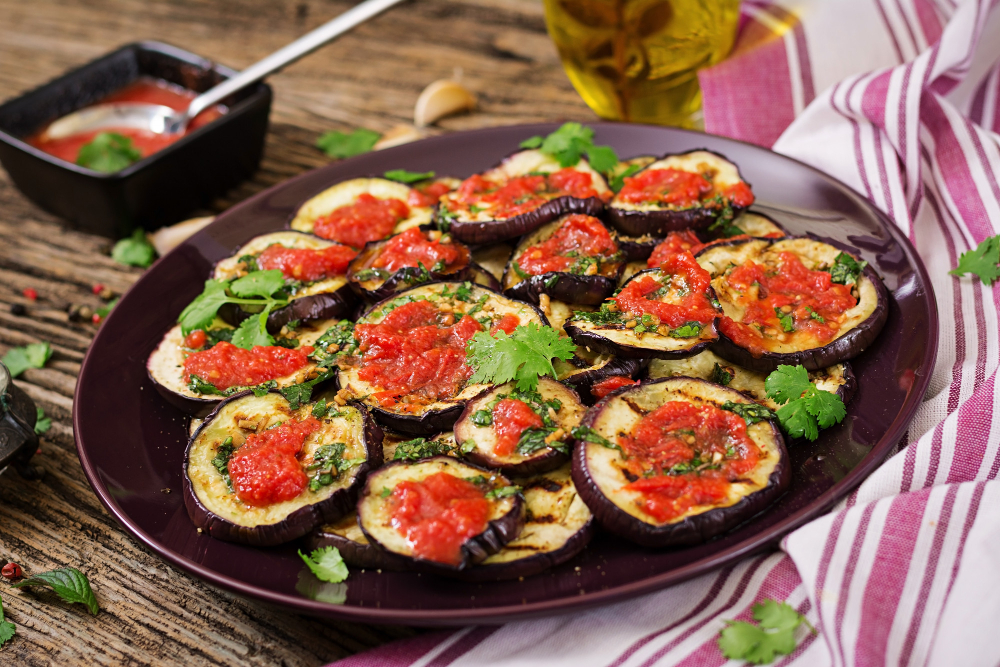
Moroccan cuisine is widely recognised for its rich combination of spices, fresh vegetables, olive oil and traditional cooking techniques. Its culinary identity has developed through centuries of cultural exchange, regional agriculture and household food traditions. Among its most popular vegetable preparations is Zaalouk, a traditional Moroccan cooked salad made primarily with eggplant and tomatoes, combined with garlic, olive oil, cumin, paprika and other seasonings. Although it is often described as an eggplant salad, its soft texture and deeply developed flavours make it equally suitable as a dip, side dish or appetiser.
Zaalouk demonstrates how ordinary vegetables can be transformed into a distinctive preparation through slow cooking and careful seasoning. Eggplant provides a soft, almost creamy texture, while tomatoes contribute acidity, moisture and natural sweetness. Garlic introduces aromatic depth, and spices such as cumin and paprika create the warm flavour profile associated with Moroccan cooking. Olive oil brings the ingredients together and helps develop the dish’s characteristic richness.
Unlike salads prepared primarily with raw vegetables, Zaalouk is cooked until the ingredients soften and combine into a thick mixture. It can be served warm, at room temperature or chilled, depending on the meal and personal preference. Traditionally, it is enjoyed with Moroccan bread, which can be used to scoop up the vegetable mixture.
Beyond its taste, Zaalouk reflects an important aspect of Moroccan food culture: the ability to prepare flavourful, satisfying dishes using accessible seasonal ingredients. Its continued presence in Moroccan homes and restaurants demonstrates how traditional vegetable recipes can remain relevant across generations.
The Origin and Cultural Background of Zaalouk
Zaalouk is strongly associated with Morocco, particularly its everyday home cooking and traditional food markets. It belongs to a wider culinary tradition in which cooked vegetable salads are served alongside bread, main dishes and other small preparations. These salads are not simply decorative accompaniments. They are an important part of the meal, offering different textures, flavours and nutritional characteristics.
The precise historical origin of Zaalouk is difficult to establish because traditional household recipes have generally been transmitted through cooking practices rather than formal written records. However, its ingredients reflect the agricultural and culinary influences that have shaped Moroccan food over time. Eggplant, tomatoes, garlic, olive oil and spices are widely used in Mediterranean and North African cooking, making Zaalouk a natural expression of the region’s food traditions.
Moroccan cuisine has been influenced by Amazigh, Arab, Andalusian and other Mediterranean traditions. These influences can be seen in its use of vegetables, preserved foods, aromatic spices and olive oil. Zaalouk fits comfortably within this culinary environment because it combines ingredients that are familiar across the region while using a distinctive Moroccan approach to seasoning and preparation.
The dish is commonly served as part of a meal that includes bread, salads and other cooked vegetables. It is also popular as a starter or appetiser in restaurants. Its versatility makes it suitable for everyday family meals as well as larger gatherings.
Zaalouk’s popularity also reflects the importance of vegetable-based preparations in Moroccan cooking. Rather than treating vegetables only as side dishes, Moroccan food traditions often give them a central role through slow cooking, spice combinations and carefully developed flavours.
The Essential Ingredients That Define Zaalouk
The traditional identity of Zaalouk depends on a relatively small group of ingredients. Each plays a particular role in creating the dish’s flavour, texture and appearance. Although recipes vary between households, eggplant and tomatoes remain its defining components.
Eggplant: The Foundation of the Dish
Eggplant, also known as aubergine or brinjal, is the primary ingredient in Zaalouk. Its soft flesh absorbs oil and seasonings effectively, making it particularly suitable for slow-cooked vegetable preparations.
When cooked, eggplant changes from a firm vegetable into a tender, almost creamy ingredient. Its mild flavour allows it to absorb the aroma of garlic, cumin, paprika and olive oil without overpowering the other components.
The method used to cook the eggplant can influence the final taste. Some traditional preparations boil or steam it before combining it with tomatoes, while others roast or grill it to develop a smoky flavour. Roasting introduces additional complexity because the surface of the eggplant undergoes browning, creating deeper savoury notes.
The eggplant is generally mashed or broken down during cooking. However, the ideal consistency is not always completely smooth. Many preparations retain small pieces of vegetable, giving the dish a rustic texture.
Tomatoes: Adding Freshness and Natural Sweetness
Tomatoes provide the moisture and acidity needed to balance the richness of eggplant and olive oil. As they cook, their natural juices soften the vegetable mixture and help create the thick consistency associated with Zaalouk.
Fresh tomatoes are commonly used, although some variations may include preserved or canned tomatoes depending on availability. Ripe tomatoes generally produce a sweeter, more flavourful preparation because they contain more developed natural sugars and aromatic compounds.
Cooking tomatoes also changes their flavour. Heat softens their structure and reduces some of their fresh acidity, allowing their sweetness and savoury characteristics to become more noticeable. This process helps create a balanced mixture with the mild taste of eggplant.
The proportion of tomatoes can vary according to preference. A tomato-rich version may have a brighter colour and slightly more acidic flavour, while a preparation containing more eggplant may be thicker and more concentrated.
Garlic: Creating Aromatic Depth
Garlic is an important ingredient in traditional Zaalouk because it gives the vegetable mixture a recognisable savoury character. Its flavour becomes softer and more integrated during cooking, particularly when combined with olive oil and tomatoes.
The quantity of garlic depends on the recipe and personal preference. Some versions use a relatively strong garlic flavour, while others allow the eggplant and spices to remain more prominent.
When garlic is gently cooked in olive oil, its sharp raw aroma gradually changes into a milder, sweeter fragrance. This creates a flavour base that complements the natural taste of the vegetables.
Olive Oil: Bringing the Ingredients Together
Olive oil is central to Moroccan cooking and contributes significantly to the character of Zaalouk. It helps soften the vegetables, carries the flavours of the spices and creates a richer mouthfeel.
Extra virgin olive oil can introduce fruity, grassy or slightly peppery notes, depending on its variety and quality. These flavours complement the mild eggplant and acidic tomatoes.
The amount of oil used varies between recipes. A moderate quantity can produce a lighter preparation, while a richer version may contain more oil to create a softer texture and deeper flavour.
Olive oil also connects Zaalouk to the wider Mediterranean food tradition, where it is valued as both a cooking ingredient and a finishing element.
Cumin and Paprika: The Characteristic Moroccan Seasoning
Cumin is one of the most recognisable spices used in Zaalouk. Its earthy, warm and slightly nutty aroma complements the natural sweetness of cooked eggplant and tomatoes. It adds depth without requiring a large quantity.
Paprika contributes colour and a mild pepper flavour. Depending on the variety, it may be sweet, smoky or slightly hot. Traditional and contemporary recipes can use different combinations to achieve the preferred level of intensity.
Some preparations also include coriander, black pepper, chilli or fresh herbs. These additions create variations while maintaining the dish’s central combination of eggplant, tomato and aromatic seasoning.
How Traditional Zaalouk Is Prepared
Preparing Zaalouk involves cooking the vegetables until they become soft and allowing their flavours to combine. Although the ingredients are simple, the cooking process is important because it determines the final consistency and depth of flavour.
The preparation usually begins with washing and cutting the eggplant into pieces. Depending on the recipe, it may be peeled completely, partially peeled or left with its skin. Keeping some of the skin can help the pieces retain their structure and add a slightly firmer texture.
The eggplant is then cooked until tender. It may be boiled, steamed, roasted or grilled. Roasting is particularly useful when a smoky flavour is desired, while boiling and steaming produce a milder result. Once cooked, the eggplant is drained if necessary and chopped or lightly mashed.
In a separate pan, garlic is gently heated in olive oil. Chopped or grated tomatoes are added along with cumin, paprika, salt and other seasonings. The mixture is cooked until the tomatoes soften and release their moisture. The cooked eggplant is then incorporated, and the ingredients are stirred together.
The mixture is allowed to simmer until excess liquid evaporates and the vegetables develop a thick, cohesive consistency. During this stage, the eggplant absorbs the tomato juices, olive oil and spices. Some cooks mash the mixture further to create a smoother texture, while others prefer a rustic preparation with visible pieces.
Fresh coriander or parsley may be added towards the end of cooking. A little lemon juice can also be used to introduce additional acidity, although the exact seasoning varies between recipes.
Once prepared, Zaalouk can be served warm or allowed to cool before serving. A final drizzle of olive oil may be added to enhance its flavour and appearance.
The Science Behind Zaalouk’s Soft Texture and Rich Flavour
Zaalouk is an interesting example of how heat transforms vegetable structure and flavour. The cooking process involves several changes that explain why the finished dish has a much softer texture than its raw ingredients.
Eggplant contains a large amount of water and has a cellular structure that becomes softer during heating. As the vegetable cooks, its cell walls weaken, allowing the flesh to collapse and become easier to mash. This transformation creates the smooth consistency that makes Zaalouk suitable as a dip or spread.
Tomatoes undergo similar structural changes. Their cell walls soften during cooking, releasing water and dissolving into the vegetable mixture. As moisture gradually evaporates, the natural sugars, acids and savoury compounds become more concentrated.
Olive oil helps distribute fat-soluble flavour compounds from garlic and spices throughout the dish. When cumin and paprika are gently heated in oil, their aromatic compounds become more noticeable. However, excessive heating can damage their delicate flavours, which is why controlled cooking is important.
Another important process is flavour integration. During simmering, the vegetables exchange moisture and aromatic compounds, allowing the individual ingredients to develop a more unified taste. The final result is not simply a mixture of cooked vegetables but a preparation in which acidity, sweetness, earthiness and richness are balanced.
Roasting introduces an additional layer of flavour through browning reactions. When eggplant is exposed to sufficiently high heat, compounds formed during browning can contribute smoky and savoury characteristics. This is one reason why roasted-eggplant versions of Zaalouk may taste more complex than preparations made entirely through boiling.
Flavour, Texture and the Experience of Eating Zaalouk
Zaalouk offers a balanced combination of soft textures and warm, savoury flavours. The eggplant creates a smooth base, while the tomatoes provide a slightly tangy and naturally sweet character. Garlic gives the dish aromatic depth, and cumin introduces an earthy note that remains noticeable without dominating the vegetables.
The olive oil creates a rounded mouthfeel, making the mixture feel richer and more cohesive. Depending on the cooking method, the dish may also contain subtle smoky flavours, especially when the eggplant is roasted or grilled.
Its texture can range from chunky to almost completely smooth. A rustic preparation may contain small pieces of eggplant and tomato, whereas a more thoroughly mashed version resembles a thick vegetable dip.
The flavour also develops as the dish cools. Allowing it to rest gives the ingredients time to settle and makes the seasoning feel more integrated. This is one reason why Zaalouk is often enjoyed at room temperature or chilled.
Its versatility allows it to be served in several ways. It can accompany bread, form part of a larger selection of Moroccan salads or be presented as a side dish alongside grilled vegetables and other main courses.
Zaalouk as Part of Moroccan Food Culture
In Morocco, Zaalouk is more than an eggplant recipe. It represents a wider tradition of preparing cooked vegetable salads that contribute variety to everyday meals. These dishes are often served together, allowing diners to enjoy different combinations of vegetables, herbs, spices and textures.
Moroccan meals frequently include bread as an essential accompaniment. Bread is used not only as a separate food but also as a practical way to scoop up salads and sauces. Zaalouk’s thick consistency makes it particularly suitable for this style of eating.
The dish is also valued for its accessibility. Eggplant, tomatoes, garlic and olive oil are familiar ingredients that can be found in many markets. Its preparation does not require specialised equipment or complicated techniques, making it suitable for household cooking.
Traditional markets and local restaurants help maintain its popularity. Vendors and cooks prepare Zaalouk according to regional and personal preferences, resulting in differences in texture, seasoning and presentation.
Its continued presence in Moroccan food culture reflects the importance of recipes that are both practical and adaptable. Rather than relying on expensive ingredients, Zaalouk demonstrates how everyday vegetables can become an essential part of a satisfying meal.
Regional Variations and Modern Interpretations
Although eggplant and tomatoes form the foundation of Zaalouk, the recipe is not completely uniform. Different households adjust the preparation according to their preferences, ingredient availability and regional cooking traditions.
Some versions use roasted eggplant to create a deeper smoky flavour. Others rely on boiling or steaming, resulting in a softer and milder preparation. The proportion of tomato also varies, with some recipes producing a bright red mixture and others maintaining a darker, eggplant-dominated appearance.
The choice of spices can change the overall character. A preparation with more cumin may taste earthier, while additional paprika can create a sweeter or smokier flavour. Chilli may be included for heat, although traditional versions are not necessarily very spicy.
Contemporary restaurants sometimes reinterpret Zaalouk through modern presentation. It may be served as a dip with flatbread, spread over toasted bread or used as a filling in sandwiches and wraps. Some chefs pair it with roasted vegetables, grains or plant-based main courses.
These interpretations make the dish accessible to new audiences without requiring a complete change to its basic identity. Its combination of vegetables, olive oil and spices also makes it naturally suitable for many vegetarian and vegan menus, provided no animal-derived ingredients are added.
Nutritional Characteristics of Zaalouk
Zaalouk contains several vegetables and plant-based ingredients that contribute to its nutritional value. Eggplant provides dietary fibre and contains naturally occurring plant compounds. Tomatoes contribute vitamin C, potassium and lycopene, a carotenoid associated with their red colour.
Garlic contains organosulfur compounds, while cumin and paprika contribute aromatic plant compounds. Olive oil provides predominantly monounsaturated fats and contributes to the dish’s energy content.
The nutritional composition depends on the quantities of vegetables and oil used. A preparation containing a larger amount of olive oil will generally provide more calories than a lighter version. Similarly, the addition of extra salt or other ingredients can influence its overall nutritional profile.
Because Zaalouk is primarily made from vegetables, it can be included in a varied plant-based diet. However, it is not necessarily a complete meal by itself, as its protein content may be relatively limited. It can be served alongside legumes, whole grains or other protein-containing foods to create a more balanced meal.
Its versatility also makes it useful for people looking to increase vegetable variety in their diets. The cooking process produces a soft consistency that can be easier to eat for individuals who prefer cooked vegetables over raw salads.
Why Zaalouk Deserves International Recognition
Zaalouk has qualities that make it appealing to people beyond Morocco. Its ingredients are widely recognised, its preparation is relatively simple and its flavour profile combines familiar vegetable sweetness with distinctive North African seasoning.
International interest in Mediterranean and North African cuisine has encouraged greater appreciation of traditional vegetable-based dishes. While hummus and baba ghanoush are now widely known, Zaalouk offers a different experience through its combination of eggplant and tomatoes.
It is particularly versatile in contemporary food settings. Restaurants can serve it as an appetiser, a dip or a side dish, while home cooks can incorporate it into sandwiches, wraps and grain-based meals. Its plant-based composition also makes it suitable for vegetarian and vegan menus.
Zaalouk further demonstrates the value of traditional recipes in encouraging seasonal and vegetable-focused cooking. It transforms affordable produce into a preparation that is flavourful, adaptable and culturally meaningful.
International recognition should also involve an appreciation of its Moroccan origins. Understanding the ingredients, cooking techniques and food traditions behind the dish helps preserve its identity rather than reducing it to another generic eggplant dip.
Conclusion
Zaalouk is a traditional Moroccan cooked salad that demonstrates the richness of North African vegetable cooking. Its combination of eggplant, tomatoes, garlic, olive oil, cumin and paprika creates a soft, aromatic preparation that can be enjoyed as a side dish, appetiser or dip.
Its distinctive character comes from the way simple ingredients are transformed through heat. Eggplant becomes tender and creamy, tomatoes develop natural sweetness and acidity, and spices release their aromas as they cook with olive oil. The result is a dish that is deeply flavourful without requiring complicated preparation.
Beyond its culinary appeal, Zaalouk reflects Morocco’s agricultural traditions, household cooking practices and appreciation for vegetable-based meals. Its flexibility has allowed it to remain popular in traditional kitchens while inspiring modern interpretations in restaurants and contemporary food culture.
As global interest in regional cuisine continues to grow, Zaalouk deserves recognition as more than an eggplant salad. It is an expression of Moroccan culinary heritage, showing how everyday vegetables, carefully chosen spices and traditional techniques can create a memorable food experience.
Online Internship with Certificate
You may be interested
Farinata di Ceci: A thin oven-baked chickpea-flour pancake
Anshika Jain - November 3, 2026Italian cuisine is widely recognised for its regional diversity, where simple ingredients are transformed into distinctive dishes through traditional preparation methods. While pasta, pizza and risotto receive…
Cime di Rapa: Exploring the Traditional Leafy Turnip Greens of Italian Cuisine
Anshika Jain - November 3, 2026Southern Italian cuisine is celebrated for its ability to transform simple, seasonal ingredients into dishes with remarkable flavour and character. Vegetables, legumes, olive oil, garlic and locally…
Gomen Besiga-free Gomen: Collard greens cooked with spices
Anshika Jain - November 3, 2026Ethiopian cuisine is widely recognised for its distinctive spice combinations, slow-cooked vegetable dishes, fermented flatbread and rich culinary traditions. Among its many vegetable preparations, Gomen holds a…
Most from this category

Yomogi Mochi: Japan’s Mugwort Rice Cake with a Distinctive Herbal Flavour
Anshika Jain - November 2, 2026
Yomogi Mochi: Japan’s Mugwort Rice Cake with a Distinctive Herbal Flavour
Anshika Jain - November 2, 2026
Farinata di Ceci: A thin oven-baked chickpea-flour pancake
November 3, 2026
Gomen Besiga-free Gomen: Collard greens cooked with spices
November 3, 2026
Ajoblanco: Chilled almond-and-garlic soup made with bread
November 3, 2026

Leave a Comment