

Cheese Dakgalbi: Korea’s Ultimate Comfort Food


Few dishes capture the essence of modern Korean comfort food quite like Cheese Dakgalbi. Combining spicy marinated vegetables, chewy rice cakes, and a generous layer of melted cheese, this crowd-pleasing dish has become one of South Korea’s most beloved culinary creations. What began as a regional specialty has evolved into an international food trend, attracting diners with its bold flavors, interactive dining experience, and irresistible cheese pull that dominates social media feeds.
Cheese Dakgalbi represents the perfect fusion of traditional Korean flavors and contemporary food preferences. It balances the fiery heat of gochujang-based seasoning with the creamy richness of melted cheese, creating a flavor combination that appeals to both adventurous eaters and those new to Korean cuisine. The dish is hearty, communal, and highly customizable, making it ideal for family meals, gatherings with friends, and restaurant dining experiences.
As Korean culture continues to expand its influence worldwide through music, television, film, and food, Cheese Dakgalbi has emerged as one of the most recognizable dishes introducing international audiences to Korean cuisine. Its popularity reflects broader trends in global dining, including the rise of comfort foods, fusion flavors, experiential dining, and social media-driven food discovery.
Today, Cheese Dakgalbi stands as more than just a popular meal. It is a symbol of Korea’s dynamic culinary landscape and its ability to blend tradition with innovation in ways that resonate with consumers around the world.
Understanding Cheese Dakgalbi
Cheese Dakgalbi is a variation of dakgalbi, a Korean stir-fried dish traditionally made with marinated , vegetables, sweet potatoes, cabbage, onions, and rice cakes cooked together on a large flat grill. The defining feature of the modern version is the addition of melted cheese, which surrounds or tops the spicy mixture.
The food is typically marinated in a sauce made from gochujang, a fermented red chili paste that provides heat, sweetness, and depth of flavor. Additional ingredients such as garlic, soy sauce, ginger, and chili powder enhance the marinade, creating a complex and satisfying taste profile.
As the ingredients cook together, the vegetables soften, it absorbs the seasonings, and the cheese melts into a creamy layer that balances the dish’s spicy character. Diners often pull pieces of cheese through the melted cheese before eating, creating a combination that has become synonymous with Cheese Dakgalbi. The result is a meal that is simultaneously spicy, savory, creamy, and comforting.
The Origins of Dakgalbi
To understand the appeal of Cheese Dakgalbi, it is important to appreciate the history of traditional dakgalbi. The dish originated in the city of Chuncheon, located in South Korea’s Gangwon Province, during the 1960s.
Initially created as an affordable alternative to grilled veggies, dakgalbi utilized marinated veggies instead of more expensive proteins. Local restaurants cooked the ingredients on large iron plates, allowing groups of diners to share meals in a communal setting.
Over time, the dish gained popularity throughout South Korea due to its affordability, bold flavors, and social dining appeal. Chuncheon eventually became synonymous with dakgalbi, attracting visitors eager to experience the original version.
The addition of cheese emerged decades later as consumer tastes evolved and international culinary influences became more prominent. This innovation transformed an already popular dish into a modern sensation.
Why Cheese Became the Perfect Addition
The pairing of cheese with spicy foods has become increasingly popular worldwide, and Cheese Dakgalbi is one of the most successful examples of this trend. The addition of cheese serves several important culinary functions.
First, cheese moderates the intensity of the spicy sauce. While gochujang provides heat and complexity, melted cheese introduces creaminess that softens the overall flavor profile. This balance makes the dish accessible to a broader audience.
Second, cheese enhances texture. The stretchy, melted consistency creates a rich mouthfeel that contrasts beautifully with tender and chewy rice cakes.
Third, cheese contributes visual appeal. The dramatic cheese pulls associated with the dish have become a major attraction for diners and content creators alike.
Together, these factors help explain why Cheese Dakgalbi has become more popular than many traditional variations among younger consumers.
The Rise of Korean Comfort Food
Global interest in Korean comfort food has increased significantly over the past decade. Consumers increasingly seek meals that provide warmth, satisfaction, and emotional connection, qualities that Cheese Dakgalbi delivers exceptionally well.
The dish is hearty and filling, featuring a combination of protein, vegetables, carbohydrates, and rich flavors. Its communal nature further enhances its comfort-food status by encouraging shared experiences around the dining table.
Unlike highly refined or minimalist dishes, Cheese Dakgalbi embraces abundance and indulgence. The generous portions and bold flavors create a sense of enjoyment that resonates with diners seeking memorable meals.
As comfort foods continue influencing dining trends, Cheese Dakgalbi remains a standout example of how traditional recipes can evolve to meet contemporary preferences.
Korean Wave and Culinary Influence
The international popularity of Cheese Dakgalbi cannot be separated from the broader success of Korean culture. The global phenomenon often referred to as the Korean Wave has significantly increased interest in Korean food.
K-pop artists, Korean dramas, films, and online content frequently showcase Korean dining culture, introducing viewers to dishes they may never have encountered otherwise. Scenes featuring friends sharing dakgalbi around a sizzling grill often spark curiosity among international audiences.
As fans explore Korean culture more deeply, food becomes a natural extension of that interest. Cheese Dakgalbi benefits from its visual appeal and approachable flavor profile, making it one of the easiest Korean dishes for newcomers to embrace.
This cultural exposure has helped transform a regional specialty into an internationally recognized comfort food.
Social Media’s Role in Popularity
Social media has played a critical role in making Cheese Dakgalbi a global sensation. Few dishes are as visually captivating as a hot skillet filled with bubbling cheese and brightly colored spicy veggies.
Videos featuring dramatic cheese stretches, sizzling grills, and ingredient mixing regularly attract millions of views across platforms such as TikTok, Instagram, YouTube, and Facebook. The dish’s preparation process is inherently entertaining and highly shareable.
Food influencers and restaurant creators frequently highlight Cheese Dakgalbi because it performs exceptionally well in visual formats. Consumers often discover the dish through digital content before experiencing it in person. The combination of flavor and spectacle makes Cheese Dakgalbi particularly well suited to the social media era.
The Appeal of Interactive Dining
Modern diners increasingly value experiences that go beyond simply consuming food. Cheese Dakgalbi aligns perfectly with this trend because it is highly interactive.
The dish is typically cooked at the table or served on a hot grill, allowing diners to observe the cooking process. Sharing food from a communal pan encourages conversation and engagement.
Pulling through melted cheese creates a playful and memorable experience that enhances enjoyment. The act itself has become one of the dish’s most recognizable characteristics.
Interactive dining transforms a meal into an event, helping explain why Cheese Dakgalbi remains popular among groups seeking social and entertaining dining experiences.
Flavor Complexity and Balance
One of the reasons Cheese Dakgalbi appeals to such a broad audience is its sophisticated balance of flavors. While many consumers initially focus on the cheese, the dish’s true success lies in the harmony of its components.
The spicy marinade delivers heat and depth. The vegetables contribute sweetness and freshness. Rice cakes provide chewy texture, while cheese introduces richness and creaminess.
Each ingredient plays an important role in creating a complete sensory experience. The result is a dish that feels indulgent without becoming overwhelming.
This complexity encourages repeat consumption and distinguishes Cheese Dakgalbi from simpler comfort foods.
Restaurant Expansion Around the World
As Korean cuisine gains popularity internationally, restaurants specializing in Cheese Dakgalbi have appeared in cities across Asia, North America, Europe, and the Middle East.
Many establishments focus specifically on interactive dining experiences centered around the dish. Others incorporate it into broader Korean menus alongside barbecue, fried veggies, and hot pot offerings.
Restaurants often customize Cheese Dakgalbi to local preferences while preserving its essential characteristics. Variations may include seafood, additional cheeses, premium ingredients, or unique spice levels.
This adaptability has helped support the dish’s successful expansion into diverse markets.
Innovation and Modern Variations
The continued popularity of Cheese Dakgalbi is partly driven by ongoing innovation. Chefs and restaurant operators regularly introduce creative interpretations that attract new customers while retaining loyal fans.
Some versions incorporate multiple cheese varieties to create richer flavor profiles. Others feature specialty ingredients such as truffle oil, seafood, mushrooms, or premium meals.
Plant-based adaptations have also emerged as demand for vegetarian and vegan options increases. These variations allow a broader range of consumers to experience the dish.
Innovation ensures that Cheese Dakgalbi remains relevant in an increasingly competitive food landscape.
The Emotional Connection to Shared Meals
Food trends often succeed because they satisfy emotional needs in addition to physical hunger. Cheese Dakgalbi excels in this regard because it encourages togetherness and shared enjoyment.
The communal nature of the dish fosters connection among diners. Families, friends, and colleagues gather around a single pan, creating opportunities for conversation and bonding.
The warmth of the food and the interactive cooking process further enhance the sense of comfort and community. These qualities are particularly valuable in an era where many consumers seek meaningful experiences.
The emotional dimension of Cheese Dakgalbi contributes significantly to its lasting appeal.
The Future of Cheese Dakgalbi
The future of Cheese Dakgalbi appears exceptionally bright. Global demand for Korean cuisine continues growing, supported by cultural influence, culinary tourism, and expanding restaurant networks.
Future innovations may include premium ingredients, healthier formulations, plant-based alternatives, and regionally inspired flavor adaptations. Technology and social media will continue introducing the dish to new audiences.
At the same time, the fundamental qualities that define Cheese Dakgalbi—comfort, flavor, interactivity, and visual appeal—are unlikely to lose relevance.
As consumers increasingly seek memorable dining experiences, Cheese Dakgalbi is well positioned to remain a favorite around the world.
Conclusion
Cheese Dakgalbi represents the perfect marriage of traditional Korean cooking and modern culinary innovation. By combining spicy marinated vegetables, rice cakes, and melted cheese, the dish delivers a unique experience that is both comforting and exciting.
Its international success reflects broader trends including the rise of Korean culture, social media influence, experiential dining, and demand for indulgent comfort foods. The dish’s visual appeal, balanced flavors, and communal nature have helped it transcend cultural boundaries and attract a global following.
More than just a popular menu item, Cheese Dakgalbi embodies the creativity and adaptability that characterize contemporary Korean cuisine. It demonstrates how traditional dishes can evolve while maintaining their cultural identity and emotional resonance.
From bustling restaurants in Seoul to dining tables around the world, Cheese Dakgalbi continues to bring people together through the universal pleasures of great food, shared experiences, and comforting flavors.
Online Internship with Certificate
You may be interested

Taro Leaf Rolls: Leaf Structure and Safe Cooking Influence a Wrapped Vegetable Dish
Anshika Jain - October 26, 2026Taro leaf rolls demonstrate how a simple leafy vegetable can become the foundation of a distinctive and satisfying dish. Found in different forms across tropical regions, taro…

Acorn Jelly: Korean Dotorimuk and the Science of Starch
Anshika Jain - October 26, 2026Acorn jelly is a distinctive food made by transforming the seeds of oak trees into a smooth, firm, sliceable preparation. Best known in Korea as dotori-muk or…
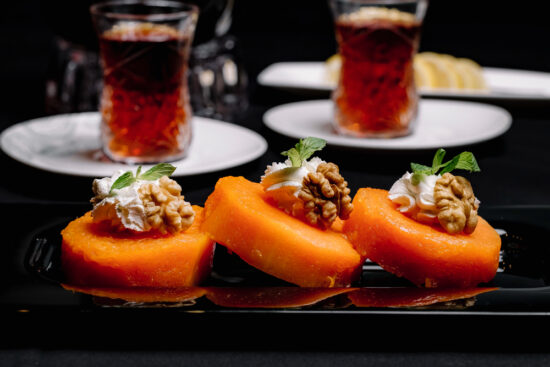
Kabak Tatlisi: Turkish Pumpkin Dessert with a Glossy, Syrupy Finish
Anshika Jain - October 26, 2026Kabak Tatlısı is a traditional Turkish dessert that transforms an everyday autumn vegetable into a glossy, syrup-coated sweet through a remarkably simple cooking process. Prepared by slowly…
Most from this category
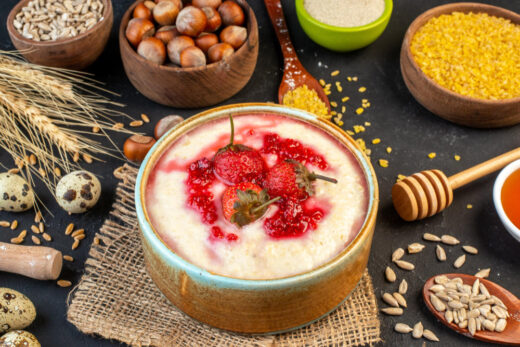
Moustalevria: Traditional Greek Grape-Must Pudding with Natural Sweetness
Anshika Jain - October 26, 2026
Kisiel: Traditional Fruit Dessert That Reveals the Science of Starch Thickening
Anshika Jain - October 26, 2026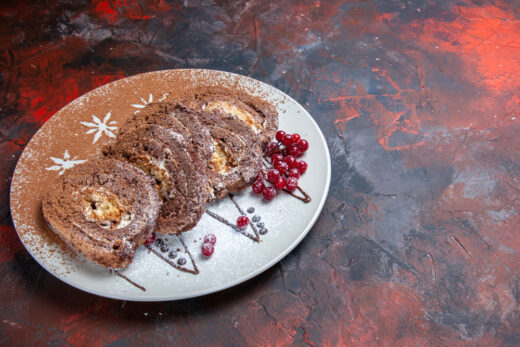
Tinginys: Lithuania’s No-Bake Biscuit Dessert with a Distinctive Chocolate Mosaic
Anshika Jain - October 26, 2026
Moustalevria: Traditional Greek Grape-Must Pudding with Natural Sweetness
Anshika Jain - October 26, 2026Kisiel: Traditional Fruit Dessert That Reveals the Science of Starch Thickening
Anshika Jain - October 26, 2026Tinginys: Lithuania’s No-Bake Biscuit Dessert with a Distinctive Chocolate Mosaic
Anshika Jain - October 26, 2026




Leave a Comment