

Ful Medames: Egypt’s Traditional Bean Dish and Its Vegetarian Appeal

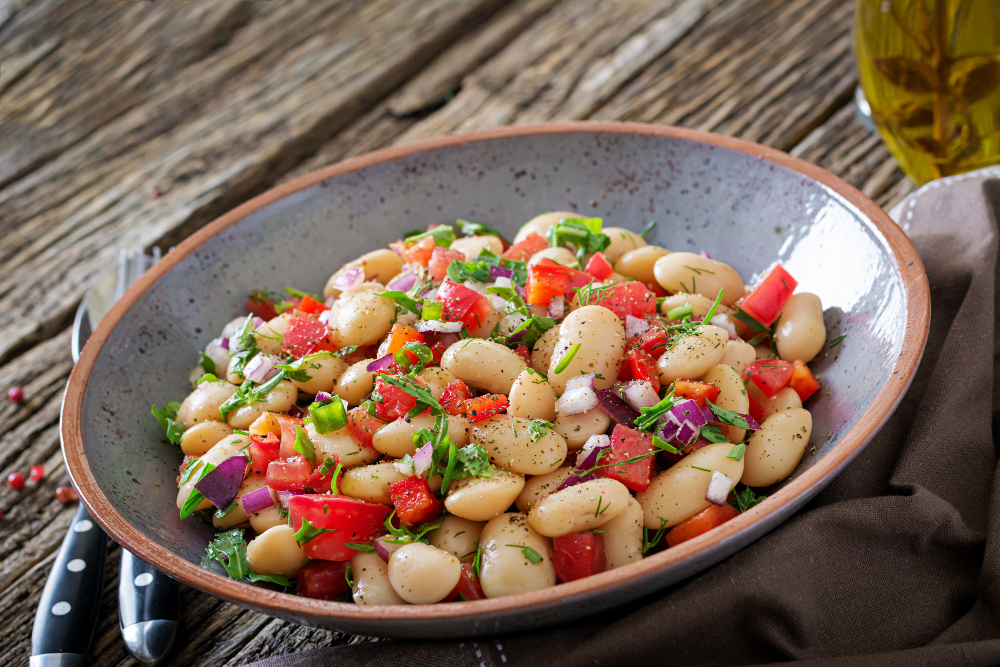
Food often tells the story of a culture through simple ingredients, traditional preparation methods, and meals that have been shared across generations. Some dishes become internationally recognised because of their elaborate presentation or complex cooking techniques, while others gain importance because they are affordable, nutritious, comforting, and deeply connected to everyday life. Ful Medames is one such dish. A traditional Egyptian preparation made primarily from cooked fava beans, Ful Medames has remained an important part of Egyptian food culture for generations and is widely associated with breakfast, family meals, street food, and everyday dining.
What makes Ful Medames particularly interesting is its simplicity. The dish does not depend on expensive ingredients or complicated techniques. Instead, it transforms humble fava beans into a filling and flavourful meal through slow cooking and the addition of ingredients such as olive oil, lemon juice, garlic, cumin, herbs, tomatoes, and vegetables. Its naturally vegetarian foundation also makes it relevant to the growing global interest in plant-based and vegetarian foods.
As vegetarian cuisine continues to expand beyond traditional salads and side dishes, foods such as Ful Medames demonstrate how legumes can form the centre of a satisfying meal. The dish combines carbohydrates, plant-based protein, fibre, and flavour in a way that reflects the practical wisdom of traditional cooking. At the same time, its versatility allows modern cooks to adapt it to different tastes while maintaining its cultural identity.
What Is Ful Medames?
Ful Medames, also spelled Ful Medammis or simply Ful, is a traditional dish made from cooked fava beans. It is strongly associated with Egypt and is also enjoyed in different forms across several countries in the Middle East and North Africa. The dish is generally prepared by slowly cooking dried fava beans until they become soft and tender. The cooked beans are then seasoned and served with various accompaniments.
The name “Ful” refers to fava beans, while “Medames” is commonly associated with the method of cooking the beans slowly. Traditionally, the beans may be cooked for several hours, allowing them to develop a soft texture and absorb the flavours added during preparation. This slow-cooking approach is part of what gives the dish its distinctive character.
Rather than having a single universal recipe, Ful Medames can vary according to household, region, and personal preference. Some preparations keep the beans relatively whole, while others mash them partially to create a thicker consistency. Lemon juice and olive oil are common additions, while garlic and cumin provide additional flavour. Fresh vegetables and herbs can also be added before serving.
The Egyptian Roots of Ful Medames
Ful Medames has a long history within Egyptian food culture. Its exact origins are difficult to reduce to a single historical moment because beans and legumes have been important foods across the region for centuries. However, the dish has become particularly connected with Egyptian cuisine and everyday life.
One reason for its lasting popularity is accessibility. Fava beans are relatively inexpensive and can provide a substantial meal, making them especially suitable for households seeking nourishing food without relying on costly ingredients. Traditional cuisines around the world often develop around foods that are affordable, locally available, and capable of feeding families. Ful Medames represents this practical side of Egyptian culinary tradition.
The dish is also closely connected with Egyptian breakfast culture. A warm bowl of Ful Medames can be eaten with bread and accompanied by vegetables, pickles, herbs, or other simple ingredients. This makes it more than an occasional specialty. It can function as an everyday meal that provides sustained nourishment at the beginning of the day.
Why Fava Beans Are Central to the Dish
The most important ingredient in Ful Medames is the fava bean, also known as the broad bean. Fava beans have been cultivated and eaten in the Mediterranean and surrounding regions for thousands of years. Their importance in traditional cuisine comes partly from their ability to provide substantial nourishment while being relatively inexpensive.
Fava beans have a firm outer skin and a creamy interior when cooked properly. Slow cooking softens the beans and creates the characteristic texture associated with Ful Medames. Depending on the recipe, the beans can remain mostly intact or be lightly mashed.
The mild flavour of fava beans also makes them suitable for absorbing seasonings. Lemon adds acidity, olive oil provides richness, cumin introduces warmth, and garlic contributes a strong aromatic note. The result is a dish that begins with a simple legume but develops considerable depth through seasoning.
How Ful Medames Is Traditionally Prepared
Traditional preparation generally begins with dried fava beans. The beans are soaked and then cooked slowly until they become tender. Historically, long cooking times were practical because the dish could be prepared gradually and served when the beans were ready.
Modern kitchens may use different cooking methods, including pressure cookers and prepared canned beans. These methods significantly reduce preparation time while allowing cooks to recreate the basic character of the traditional dish. However, slow cooking remains important to the identity of Ful Medames because it produces the soft texture associated with the food.
Once the beans are cooked, they are seasoned according to preference. Lemon juice and olive oil are among the most familiar additions. Garlic, cumin, salt, chopped tomatoes, parsley, chilli, and onions can also be incorporated. Some versions are served with the beans relatively whole, while others involve lightly crushing them.
The final dish is often served warm alongside bread. The bread can be used to scoop up the beans, turning the meal into a simple but satisfying combination of soft legumes and freshly baked or toasted bread.
The Vegetarian Appeal of Ful Medames
One of the most significant characteristics of Ful Medames is that its traditional foundation is naturally vegetarian. The main ingredient is a plant-based legume, while many of the classic seasonings and accompaniments are also derived from plants.
This makes Ful Medames particularly relevant at a time when more people are exploring vegetarian and plant-forward diets. Unlike some dishes that are modified to remove meat, Ful Medames does not necessarily require a meat-based original recipe to become vegetarian. Its traditional form already demonstrates how legumes can serve as the central ingredient of a complete meal.
The dish also illustrates an important principle of vegetarian cooking: satisfying food does not have to depend on meat substitutes. Beans, grains, vegetables, herbs, spices, and healthy fats can work together to create meals that are filling and flavourful.
For people exploring vegetarian cuisine, Ful Medames offers an example of how traditional food cultures have long relied on plant-based ingredients as important sources of nourishment.
A Nutritionally Interesting Meal
Fava beans contribute plant-based protein and dietary fibre, making Ful Medames a nutritionally interesting option within a balanced diet. Protein is important for maintaining and repairing body tissues, while dietary fibre supports normal digestive function and contributes to feelings of fullness.
The nutritional profile of the final meal depends on how it is prepared and what it is served with. Adding vegetables can increase the variety of nutrients and textures, while olive oil contributes dietary fat. Bread adds carbohydrates and makes the meal more substantial.
However, it is important not to treat any single traditional dish as a complete nutritional solution for everyone. Individual dietary needs differ, and the overall nutritional quality of a meal depends on portion sizes, accompanying foods, preparation methods, and a person’s broader eating pattern.
The Role of Olive Oil, Lemon and Cumin
Although fava beans provide the foundation, the seasonings are essential to the identity of Ful Medames. Olive oil is particularly important because it adds richness and creates a smoother mouthfeel. A drizzle of good-quality olive oil can transform the texture and flavour of the beans.
Lemon juice provides acidity that balances the earthy flavour of the fava beans. Its brightness helps prevent the dish from feeling too heavy, particularly when combined with olive oil.
Cumin adds another important dimension. Its warm, earthy aroma pairs naturally with legumes and is widely used in Middle Eastern and North African cooking. Garlic can provide additional intensity, while fresh parsley, coriander, chopped tomatoes, onions, or chilli can introduce freshness and contrast.
The beauty of Ful Medames lies partly in this balance. The base remains simple, but a handful of familiar ingredients can create layers of flavour.
Ful Medames and Egyptian Breakfast Culture
Breakfast is one of the most important contexts in which Ful Medames is traditionally enjoyed. A bowl of warm beans accompanied by bread and fresh ingredients can provide a substantial start to the day.
Its popularity as a breakfast food also demonstrates how cultural food traditions often develop around practicality. A dish that is affordable, filling, easy to share, and adaptable naturally becomes part of everyday life.
In Egyptian cities, Ful Medames has also been associated with restaurants and street-food settings. It can be served from simple food establishments as well as prepared at home. This combination of home cooking and public food culture has helped maintain its visibility across generations.
For visitors exploring Egyptian cuisine, Ful Medames can provide an introduction to everyday food rather than only the celebratory or restaurant-oriented side of the culinary tradition.
How Ful Medames Is Served
There is no single way to serve Ful Medames. Presentation can vary significantly depending on personal preference and location. The beans may be served in a bowl with olive oil and lemon, surrounded by fresh vegetables and herbs.
Bread is one of the most familiar accompaniments. It provides a practical way to eat the beans while adding another texture to the meal. Tomatoes, onions, cucumbers, pickles, and herbs can also accompany the dish.
Some people prefer a spicy version with chilli or hot sauce, while others enjoy a milder preparation dominated by lemon, olive oil, and cumin. These variations demonstrate the adaptability of the dish without changing its central identity.
Ful Medames Beyond Egypt
Although Ful Medames is strongly associated with Egypt, fava bean dishes are found throughout the Middle East and North Africa. Similar preparations may differ in seasoning, texture, serving style, and accompanying ingredients.
This regional presence reflects the importance of legumes in the food traditions of areas where beans have historically been accessible and practical sources of nourishment. Recipes naturally evolve as they travel, and Ful Medames is no exception.
Its wider popularity also reflects the increasing international interest in traditional plant-based foods. As diners look beyond familiar Western vegetarian dishes, foods based on legumes, grains, vegetables, and traditional seasonings are receiving greater attention.
Why Traditional Vegetarian Foods Matter Today
Modern conversations about vegetarian food often focus on new products, meat alternatives, and contemporary diet trends. However, many traditional cuisines have relied on plant-based meals for centuries. Ful Medames is a reminder that vegetarian cooking is not necessarily a modern invention.
Traditional food cultures developed numerous ways to make legumes and grains satisfying. They used spices, herbs, acids, oils, vegetables, and cooking techniques to create dishes with distinct flavours and textures.
This perspective is especially useful for people interested in sustainable and affordable cooking. A meal built around beans can be economical while also providing important nutrients. It can also reduce dependence on meat as the centre of every meal.
Ful Medames therefore fits naturally into modern discussions around plant-forward eating while remaining firmly rooted in Egyptian culinary history.
Modern Interpretations of Ful Medames
Contemporary cooks may experiment with Ful Medames by introducing additional vegetables, different herbs, spices, or serving combinations. Some may pair it with roasted vegetables, whole-grain bread, salads, or other plant-based dishes.
These adaptations can make the dish more accessible to people who are unfamiliar with traditional Egyptian food. At the same time, adaptation raises an important question about how traditional foods should be represented. A modern interpretation can introduce a dish to new audiences, but understanding its cultural background helps prevent it from becoming disconnected from its origins.
The growing popularity of Ful Medames outside Egypt shows how traditional dishes can travel across borders while continuing to inspire new interpretations.
Ful Medames as an Example of Simple Food Done Well
One of the most valuable lessons from Ful Medames is that memorable food does not always require complicated ingredients. The dish begins with beans and develops through time, seasoning, texture, and balance.
Its simplicity is precisely what gives it versatility. A basic bowl of Ful Medames can be transformed through the addition of lemon, olive oil, herbs, vegetables, spices, and bread. The result can be comforting enough for an everyday breakfast while also offering enough character to attract people discovering Egyptian cuisine for the first time.
In an era when food trends often move quickly, traditional dishes such as Ful Medames demonstrate the lasting appeal of meals built around fundamental ingredients and established cooking traditions.
The Growing Global Interest in Plant-Based Cuisine
Interest in vegetarian food has expanded internationally as people explore different dietary preferences, environmental considerations, affordability, and culinary traditions. This has encouraged greater attention toward foods that naturally centre vegetables, grains, pulses, and legumes.
Ful Medames fits into this broader movement without needing to be redesigned as a modern vegetarian product. Its traditional identity already places a plant-based ingredient at the heart of the meal.
For younger generations discovering international cuisine through restaurants, travel, social media, and online food content, dishes such as Ful Medames can also provide an opportunity to explore the relationship between food and culture. Learning about the history of a dish can make the experience more meaningful than simply trying a new flavour.
Conclusion
Ful Medames is a powerful example of how a simple ingredient can become an important part of a country’s culinary identity. Built around slowly cooked fava beans and enhanced with ingredients such as olive oil, lemon, cumin, garlic, herbs, and vegetables, the dish reflects the practicality, flavour, and cultural depth of Egyptian food traditions.
Its naturally vegetarian character makes it especially relevant to today’s growing interest in plant-based cuisine. Yet its appeal goes beyond nutrition or dietary preference. Ful Medames represents everyday Egyptian food culture, where affordable ingredients can become nourishing and satisfying meals shared at home, in restaurants, and in street-food settings.
As international interest in traditional vegetarian dishes continues to grow, Ful Medames offers a valuable reminder that plant-based cooking has deep roots across many cultures. Its enduring popularity demonstrates that food does not need to be complicated to be meaningful. Sometimes, a humble bowl of beans, carefully cooked and thoughtfully seasoned, can tell an entire story about history, culture, community, and changing food habits.
Online Internship with Certificate
You may be interested
Mahua: The Forest Flower That Became a Traditional Food and Beverage Ingredient
Anshika Jain - October 14, 2026Across the forests of central and eastern India, a small, fleshy flower has played an important role in traditional food cultures for generations. Known as mahua, the…

Boza: The Thick Fermented Drink That Looks Nothing Like a Modern Beverage
Anshika Jain - October 14, 2026In a world dominated by sparkling sodas, iced coffees, fruit smoothies, and brightly coloured energy drinks, Boza stands out for looking almost like something from an entirely…
Yomari: Nepal’s Sweet Dumpling With a Molten Molasses Centre
Anshika Jain - October 14, 2026Imagine biting into a soft, warm dumpling made from rice flour and discovering a rich, dark, syrupy filling that melts across your tongue. The outer layer is…
Most from this category
Khar: The Alkaline Food Preparation That Sounds More Like Chemistry Than Cooking
Anshika Jain - October 14, 2026
Kharvas: The Milky Steamed Pudding That Comes From a Surprising Source
Anshika Jain - October 13, 2026Khar: The Alkaline Food Preparation That Sounds More Like Chemistry Than Cooking
Anshika Jain - October 14, 2026Panchamrit-Based Sweets: How Temple Ingredients Become Dessert
Anshika Jain - October 14, 2026

Yomari: Nepal’s Sweet Dumpling With a Molten Molasses Centre
October 14, 2026

Leave a Comment