

Khao Soi Vegetarian: Thailand’s Creamy Noodle Dish With a Rich Coconut Twist

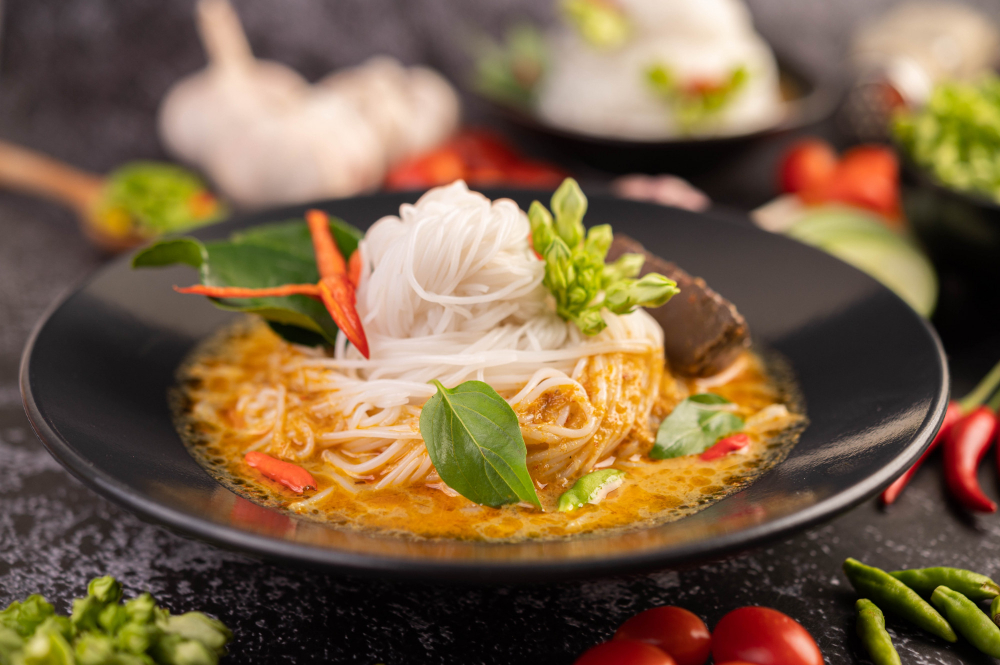
Thai cuisine is widely recognised for its ability to balance contrasting flavours in a single dish. Sweet, sour, salty, spicy and aromatic elements often come together to create meals that are both comforting and complex. Among the dishes that demonstrate this balance particularly well is Khao Soi, a rich and aromatic noodle dish traditionally associated with Northern Thailand. While classic versions, vegetarian Khao Soi offers a flavourful alternative that allows the distinctive character of the dish to shine.
Vegetarian Khao Soi combines noodles with a creamy curry broth made using coconut milk, aromatic spices and curry paste. The dish is commonly finished with crispy noodles, fresh herbs and tangy accompaniments that create an appealing contrast in texture and flavour. It is a particularly interesting dish for people who enjoy exploring regional Asian cuisine because it combines elements of curry, noodle soup and crunchy toppings in one bowl.
As interest in vegetarian food continues to grow around the world, dishes such as vegetarian Khao Soi demonstrate that plant-based cooking does not have to mean giving up richness or complexity. With the right combination of vegetables, aromatics, spices and coconut milk, the dish can become a satisfying meal in its own right.
What Is Khao Soi?
Khao Soi is a noodle-based dish strongly associated with Northern Thailand, particularly the city of Chiang Mai and the surrounding region. It is usually served as a curry noodle soup with a creamy, aromatic broth and noodles. The dish is known for its combination of soft noodles in the broth and crispy noodles placed on top.
Traditional versions can contain chicken, beef or other depending on the recipe and location. Vegetarian Khao Soi replaces these ingredients with vegetables, tofu, mushrooms or other plant-based components while retaining the characteristic curry and coconut profile.
The name and exact origins of Khao Soi are connected to the broader culinary history of mainland Southeast Asia. Similar noodle dishes and curry traditions can be found across neighbouring regions, reflecting centuries of cultural and culinary exchange.
Rather than being defined by one fixed recipe, Khao Soi represents a style of dish in which noodles, curry broth and contrasting toppings come together.
The Northern Thai Connection
Northern Thai cuisine has a distinctive character that differs in several ways from the food traditions commonly associated with central and southern Thailand. The region’s geography and history have contributed to culinary influences from neighbouring areas, including Myanmar and Laos.
Chiang Mai is particularly important in the modern identity of Khao Soi. The dish has become closely associated with the city’s food culture and is widely enjoyed by residents and visitors.
The region’s culinary traditions often emphasise aromatic herbs, spices and rich but balanced flavours. Khao Soi reflects this approach through its curry base, coconut milk and fresh garnishes.
For food lovers, exploring Khao Soi is therefore more than trying another noodle dish. It provides an introduction to the food culture of Northern Thailand and the influences that have shaped the region over generations.
What Makes Vegetarian Khao Soi Different?
The vegetarian version of Khao Soi retains the core structure of the dish while changing its main filling. Instead of cooks can use tofu, mushrooms, carrots, broccoli, baby corn, bell peppers, leafy vegetables or other ingredients that complement the curry.
Mushrooms are particularly useful because their earthy flavour and substantial texture can add depth to the dish. Tofu can absorb the aromatic broth and provide a satisfying protein-rich component.
The choice of vegetables can also change the personality of the dish. Root vegetables may make it more hearty, while leafy greens can create a lighter version. A combination of textures is especially effective because the soft noodles and creamy broth benefit from contrasting ingredients.
The result is a dish that feels complete without depending on richness.
The Creamy Coconut Curry Broth
One of the defining features of Khao Soi is its curry broth. Coconut milk gives the soup its creamy texture and balances the heat and intensity of the curry paste.
In a vegetarian preparation, the broth becomes particularly important because it provides much of the dish’s flavour. Aromatic ingredients such as garlic, shallots, ginger and spices can contribute depth, while curry paste brings heat and complexity.
The coconut milk should complement rather than completely overpower these flavours. A well-balanced bowl should allow the richness of coconut milk, the aroma of spices and the savoury qualities of the curry to remain noticeable.
The broth also coats the noodles, allowing the flavour to become part of every bite.
The Role of Curry Paste
Curry paste is another important component of Khao Soi. Traditional recipes can use a mixture of chillies, aromatics and spices to create a deeply flavoured base.
A fully vegetarian preparation may require a curry paste specifically made without these ingredients.
Homemade curry paste can provide greater control over flavour and ingredients. It also allows cooks to adjust the level of heat according to personal preference.
The curry paste does not simply add spiciness. It contributes aroma, colour and depth to the entire broth, making it one of the key elements that gives Khao Soi its identity.
Choosing the Right Noodles
Noodles provide the foundation of the dish. Khao Soi traditionally uses noodles, with some served directly in the curry broth and additional noodles fried until crisp for the topping.
Those following a vegan diet can select noodles made from wheat or other suitable ingredients.
The combination of textures is one of the most enjoyable characteristics of Khao Soi. Soft noodles absorb the creamy curry broth, while crispy noodles provide a contrasting crunch.
This contrast prevents the dish from feeling overly soft or heavy. Every spoonful can contain creamy broth, tender noodles and a crisp topping.
The Importance of Crispy Noodles
The crispy noodle topping is one of the details that makes Khao Soi visually and texturally distinctive. A small portion of noodles is fried until golden and crisp before being placed on top of the finished dish.
The topping provides a direct contrast with the soft noodles underneath. When the crispy noodles begin to absorb some of the curry broth, they develop a softer texture while retaining some of their crunch.
This combination demonstrates an important principle of Thai cooking: texture can be just as important as flavour.
A bowl of vegetarian Khao Soi can therefore become more interesting when it includes several textures rather than relying only on the creamy broth.
Fresh Garnishes and Accompaniments
Khao Soi is commonly served with a range of fresh and tangy accompaniments. These may include lime, pickled vegetables, sliced onions, fresh herbs and chilli.
Lime is particularly useful because its acidity cuts through the richness of coconut milk. A squeeze of fresh lime juice can make the broth taste brighter and more balanced.
Pickled vegetables provide another layer of acidity and crunch. Their tanginess contrasts with the creamy curry, while fresh herbs contribute brightness and aroma.
These additions are not merely decorative. They help balance the dish and allow diners to adjust the flavour according to their preferences.
The Balance of Flavours
Vegetarian Khao Soi demonstrates why Thai cuisine is often associated with flavour balance. The dish can combine creamy, spicy, salty, sour and aromatic elements.
Coconut milk provides richness. Curry paste introduces spice and aromatic depth. Lime contributes acidity. Pickled vegetables provide tanginess and crunch. Fresh herbs add freshness, while noodles create a neutral base that brings everything together.
A successful preparation does not allow one element to completely dominate. The richness of coconut milk should be balanced by acidity, while the heat of the curry should remain enjoyable rather than overwhelming.
This balance is one reason Khao Soi can appeal to people who enjoy both curry and noodle dishes.
Vegetables That Work Well in Khao Soi
Vegetarian Khao Soi offers considerable flexibility when it comes to vegetables. Mushrooms, tofu, carrots, bell peppers, broccoli, baby corn and leafy greens can all complement the curry broth.
Mushrooms are particularly suitable because their earthy flavour works naturally with aromatic curry. Tofu can provide a substantial component that absorbs the surrounding flavours.
Carrots and bell peppers introduce natural sweetness, while broccoli provides a firmer texture. Leafy greens can be added toward the end of cooking to preserve their colour and freshness.
The goal is not necessarily to use as many vegetables as possible. A carefully chosen combination can create better flavour and texture than an overcrowded bowl.
Vegetarian Does Not Mean Less Flavorful
One common misconception about vegetarian cooking is automatically reduces flavour. Dishes such as vegetarian Khao Soi challenge that assumption.
The depth of Khao Soi comes primarily from its curry paste, aromatics, spices, coconut milk and toppings.
When mushrooms, tofu and vegetables are prepared properly, they can absorb the curry broth and contribute their own textures and flavours.
This makes Khao Soi a useful example of how plant-based cooking can focus on building flavour through multiple ingredients rather than depending on a single central protein.
Making Khao Soi Vegan
Vegetarian and vegan are not always the same. A vegetarian Khao Soi may contain dairy depending on the recipe, although traditional preparations generally rely on coconut milk rather than dairy.
Plant-based alternatives can maintain the savoury depth of the broth. Ingredients such as soy sauce, mushroom-based seasonings or other suitable sauces can be used depending on the recipe.
The result can remain rich, aromatic and satisfying while using entirely plant-based ingredients.
Khao Soi as Comfort Food
There is something inherently comforting about a bowl of noodles served in a warm, creamy broth. Vegetarian Khao Soi combines this familiar comfort with the distinctive flavours of Northern Thailand.
The soft noodles make the dish filling, while the coconut curry creates warmth and richness. Crispy toppings prevent the texture from becoming monotonous, and fresh garnishes add brightness.
It can work particularly well as a satisfying lunch or dinner, especially for people who enjoy spicy soups and noodle-based meals.
Its flexibility also makes it suitable for different preferences. The spice level can be adjusted, vegetables can be changed and toppings can be customised without losing the essential character of the dish.
Khao Soi and the Global Interest in Vegetarian Food
Vegetarian food has increasingly moved beyond a niche category. Restaurants, home cooks and food creators around the world are exploring ways to reinterpret traditional dishes using plant-based ingredients.
This has created new opportunities for regional dishes to reach international audiences. Vegetarian Khao Soi is particularly suitable for this trend because its flavour does not depend exclusively.
At the same time, it is important to approach traditional cuisines respectfully. A modern vegetarian adaptation can be inspired by a regional dish while recognising that recipes vary across households, restaurants and communities.
The goal is not to replace the traditional version but to explore another interpretation of a well-known culinary tradition.
How Khao Soi Fits Into Modern Food Culture
Modern diners are increasingly interested in dishes that provide more than basic nourishment. They want meals with distinctive flavours, interesting textures and cultural stories.
Khao Soi offers all three. Its combination of noodles and curry creates a familiar foundation, while the Northern Thai ingredients and preparation style introduce something different.
The vegetarian version also fits into changing dietary preferences. People may choose vegetarian meals for personal, environmental, cultural or lifestyle reasons. A dish that already has strong flavours and varied textures can adapt naturally to these preferences.
Food discovery through social media has also helped introduce regional dishes to international audiences. Images of colourful bowls topped with crispy noodles and fresh garnishes can make dishes like Khao Soi visually appealing even to people who have never tasted them.
A Dish That Brings Tradition and Adaptation Together
Vegetarian Khao Soi illustrates how food traditions can evolve while retaining their essential character. The basic combination of noodles, aromatic curry broth and contrasting toppings remains recognisable, even when the filling changes.
This adaptability is part of what makes traditional cuisine interesting. Recipes are not always fixed formulas. They are often shaped by geography, available ingredients, cultural exchange and changing preferences.
A vegetarian interpretation does not erase the history of Khao Soi. Instead, it provides another way for modern diners to experience the dish.
For home cooks, it can also become an opportunity to experiment with vegetables, spice levels and toppings while learning more about Northern Thai cuisine.
Conclusion: Discovering the Richness of Vegetarian Khao Soi
Khao Soi Vegetarian is a delicious example of how regional cuisine can combine tradition, flavour and adaptability. Its creamy coconut curry broth, tender noodles, crispy topping, fresh herbs and tangy accompaniments create a meal with remarkable depth and contrast.
The dish’s connection to Northern Thailand gives it cultural significance, while its vegetarian adaptation makes it accessible to a wider range of diners. Mushrooms, tofu and vegetables can absorb the aromatic broth and create a satisfying alternative without compromising the character of the meal.
More importantly, vegetarian Khao Soi demonstrates that exploring food is also a way of exploring culture. Every bowl reflects ingredients, techniques and culinary influences that have developed over generations.
For anyone interested in discovering distinctive vegetarian dishes from around the world, Khao Soi offers an inviting combination of creamy curry, noodles, spice and freshness. It is comforting enough to feel familiar, yet distinctive enough to introduce diners to the rich culinary traditions of Northern Thailand.
Online Internship with Certificate
You may be interested
Mahua: The Forest Flower That Became a Traditional Food and Beverage Ingredient
Anshika Jain - October 14, 2026Across the forests of central and eastern India, a small, fleshy flower has played an important role in traditional food cultures for generations. Known as mahua, the…

Boza: The Thick Fermented Drink That Looks Nothing Like a Modern Beverage
Anshika Jain - October 14, 2026In a world dominated by sparkling sodas, iced coffees, fruit smoothies, and brightly coloured energy drinks, Boza stands out for looking almost like something from an entirely…
Yomari: Nepal’s Sweet Dumpling With a Molten Molasses Centre
Anshika Jain - October 14, 2026Imagine biting into a soft, warm dumpling made from rice flour and discovering a rich, dark, syrupy filling that melts across your tongue. The outer layer is…
Most from this category
Khar: The Alkaline Food Preparation That Sounds More Like Chemistry Than Cooking
Anshika Jain - October 14, 2026
Kharvas: The Milky Steamed Pudding That Comes From a Surprising Source
Anshika Jain - October 13, 2026Khar: The Alkaline Food Preparation That Sounds More Like Chemistry Than Cooking
Anshika Jain - October 14, 2026Panchamrit-Based Sweets: How Temple Ingredients Become Dessert
Anshika Jain - October 14, 2026


Yomari: Nepal’s Sweet Dumpling With a Molten Molasses Centre
October 14, 2026


Leave a Comment