

Gomen: Collard greens cooked with spices

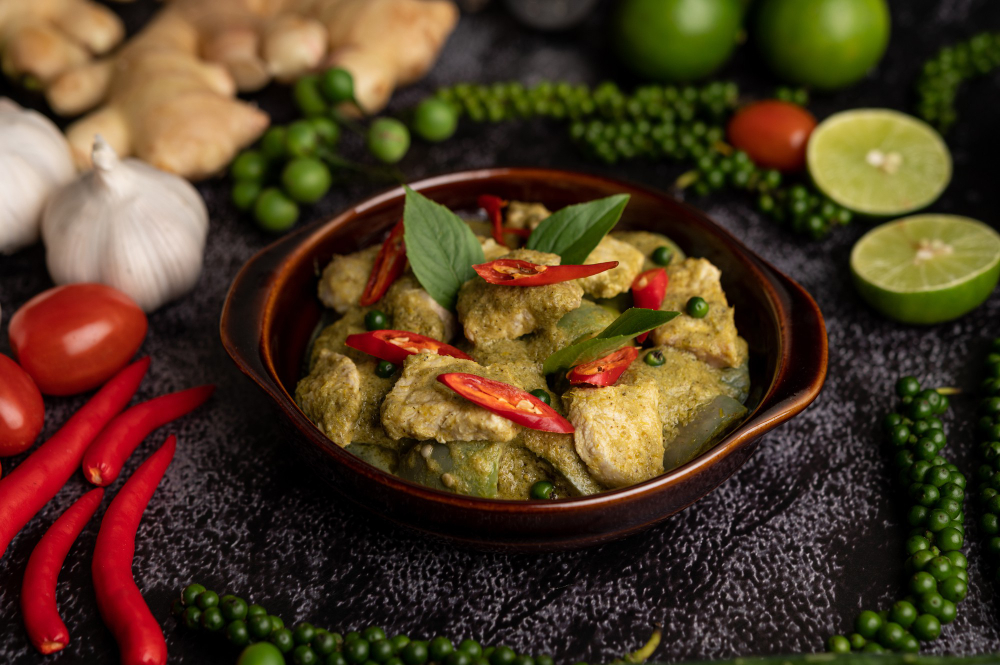
Gomen is a traditional Ethiopian dish made from collard greens cooked with aromatic spices, onions, garlic, ginger, and oil or clarified butter. Simple in appearance yet deeply flavorful, gomen represents an important part of Ethiopian home cooking and is frequently served alongside stews, legumes, vegetables, dishes, and injera. Its earthy green flavor and gentle seasoning provide a refreshing contrast to the richer and often hotter dishes found on a traditional Ethiopian platter.
The name gomen generally refers to cooked greens in Ethiopian cuisine, with collard greens being one of the most common choices. Depending on the region, season, household, and availability of ingredients, cooks may also use other sturdy leafy greens. The preparation can range from a relatively mild dish seasoned primarily with garlic and ginger to more aromatic versions incorporating spices such as cardamom, turmeric, or Ethiopian spice blends.
Interest in gomen has continued to grow alongside the international popularity of Ethiopian cuisine. Recent food writing in 2026 has highlighted gomen as a nutritious, vegetable-focused Ethiopian dish, while contemporary recipes have explored variations using different greens, lighter oils, plant-based ingredients, and fresh curd cheese. At the same time, Ethiopian restaurants outside the country continue to introduce gomen to diners as part of vegetarian combination platters and traditional meals.
Gomen’s enduring appeal comes from its simplicity. It does not require a long list of ingredients or elaborate equipment. Instead, its character depends on the quality of the greens, the balance of aromatics, and the cooking technique used to soften the leaves while allowing the spices to develop their fragrance.
The Culinary Heritage of Gomen
Leafy greens have an important place in Ethiopian cuisine, and gomen demonstrates how vegetables can become a substantial and flavorful component of a meal. Rather than treating collard greens simply as a side vegetable, Ethiopian cooking transforms them through slow cooking and aromatic seasoning.
Gomen is particularly well suited to the communal structure of Ethiopian meals. A typical Ethiopian spread may contain several dishes arranged around injera, the fermented flatbread that serves as both an accompaniment and an eating utensil. Spicy stews, lentils, vegetables, and mild greens can be served together, allowing diners to combine different flavors and textures in every bite.
Within this setting, gomen often provides a milder and greener counterpoint to intensely seasoned dishes. Recent culinary descriptions continue to emphasize this role, portraying gomen as a vegetable dish that can balance richer or hotter preparations on the same platter.
The dish is also closely connected with vegetarian and fasting traditions. Ethiopian Orthodox Christian fasting practices have historically influenced the country’s food culture, creating a rich tradition of plant-based dishes. Gomen prepared with vegetable oil rather than animal-derived butter can fit naturally into fasting meals.
This makes gomen particularly relevant to contemporary interest in vegetarian and plant-forward cuisine. A recipe that was historically shaped by local culinary traditions can now appeal to consumers looking for vegetable-centered meals without requiring a complete departure from traditional flavors.
What Is Gomen Made From?
The central ingredient is collard greens. These sturdy leaves have a naturally earthy flavor and firm texture, making them suitable for extended cooking. Their toughness is transformed into tenderness through chopping, simmering, sautéing, or a combination of these techniques.
Onions form an important aromatic foundation. They contribute natural sweetness as they soften and help create a flavorful base for the greens. Garlic and ginger add another layer of complexity, producing the warm, fragrant character associated with many Ethiopian vegetable dishes.
The choice of fat can significantly influence the final result. Vegetable oil produces a lighter and often fasting-friendly preparation, while niter kibbeh, an Ethiopian spiced clarified butter, creates a richer and more aromatic version. Contemporary cooks may also use olive oil or other neutral cooking oils depending on dietary preferences and ingredient availability.
Spices vary according to the particular style of gomen. Some preparations remain deliberately mild, relying mainly on garlic, ginger, onion, and perhaps a small amount of green chili. Other versions can include spices such as cardamom or turmeric. Berbere may also appear in some interpretations, although not every traditional gomen preparation is heavily spiced or hot.
This flexibility is one reason gomen has adapted well to kitchens outside Ethiopia. The basic structure remains recognizable even when individual ingredients vary.
How Gomen Is Traditionally Prepared
The preparation of gomen begins with cleaning the collard greens thoroughly and removing the thick central stems. The leaves are then cut into strips or finely chopped. Removing the toughest stems is important because they require considerably more cooking than the leaves and can remain fibrous.
The greens may be boiled or blanched before being combined with the aromatics. Other cooks add the raw chopped greens directly to a seasoned pan and allow them to soften gradually. Both methods can produce good results, although they create somewhat different textures and flavors.
The onions are generally cooked until soft before garlic and ginger are introduced. This allows the onions to release their sweetness and creates a foundation for the seasonings.
Once the aromatics become fragrant, the greens are added. Because collard greens contain considerable volume when raw, they may initially appear to overwhelm the cooking vessel. However, they quickly collapse as they encounter heat and moisture.
The greens are then cooked until tender. The ideal texture depends on the particular recipe. Some contemporary preparations aim for greens that remain vibrant and retain some structure, while more traditional slow-cooked approaches may produce exceptionally soft leaves with a deeper, sweeter flavor.
Recent 2026 recipes illustrate both approaches. Some recommend relatively short cooking after blanching, while others emphasize longer simmering so that the greens become thoroughly tender. This variation reflects the adaptability of gomen rather than a single universal technique.
The Role of Ethiopian Spices
One of the most interesting aspects of gomen is its relationship with Ethiopian spices. Ethiopian cuisine is known internationally for berbere, a complex spice mixture commonly associated with red, intensely flavored stews. However, not every Ethiopian dish needs to be hot or heavily seasoned.
Gomen can be intentionally mild. Garlic and ginger may provide most of its aromatic character, while green chili contributes fragrance and gentle warmth rather than overwhelming heat. Some recipes incorporate cardamom or turmeric for additional depth.
This relatively restrained seasoning allows the earthy character of the greens to remain noticeable. It also helps gomen work as a balancing component when served with spicy foods.
Contemporary recipes sometimes take a more expansive approach, using a combination of cardamom, turmeric, chili, ginger, and garlic. Such adaptations demonstrate how cooks can personalize the dish while retaining its fundamental Ethiopian identity.
The important principle is balance. The seasonings should complement the greens rather than conceal them.
Gomen and Injera
Gomen is commonly served with injera, Ethiopia’s distinctive fermented flatbread. Injera has a slightly sour flavor and a soft, porous structure, making it particularly effective at absorbing the juices and seasonings from cooked dishes.
In a traditional Ethiopian meal, diners tear off pieces of injera and use them to scoop up portions of gomen and other dishes. The bread therefore becomes part of the eating experience rather than simply an accompaniment.
The mild character of gomen can be particularly effective alongside dishes containing berbere. A bite combining greens, lentils, vegetables, and injera creates a complex mixture of flavors and textures.
For people outside Ethiopia who cannot easily find injera, gomen can also be served with rice, flatbread, or other grains. However, injera remains the traditional partner because its sourness and texture contribute an important element to the overall meal.
Gomen as a Vegetarian Dish
Gomen has a natural place within vegetarian Ethiopian cuisine. When prepared with vegetable oil, it contains plant-based meals.
Ethiopian vegetarian combination platters frequently bring together several vegetable and legume dishes. Gomen can sit alongside lentil stews, split-pea preparations, cabbage, potatoes, carrots, beets, and other vegetables.
This approach is particularly relevant to the growing international interest in plant-based food. Rather than constructing vegetarian meals, Ethiopian cuisine offers a long-established tradition of meals built around vegetables, legumes, grains, and spices.
Gomen is therefore an example of how traditional Ethiopian cooking can contribute to contemporary conversations about plant-forward eating.
Nutritional Qualities of Collard Greens
Collard greens are widely recognized as a nutrient-dense leafy vegetable. They provide dietary fiber and several vitamins and minerals, while their relatively substantial texture makes them satisfying when cooked as part of a meal.
Recent nutrition coverage has continued to emphasize the value of dark leafy greens, including collards, as part of a balanced diet. Collard greens contain nutrients such as vitamin K, vitamin A, vitamin C, folate, and minerals, although their exact nutritional contribution depends on serving size and preparation.
The cooking method also matters. Gomen recipes can differ substantially in the amount of oil, butter, salt, and other ingredients used. A version prepared with a modest amount of vegetable oil will have a different nutritional profile from one made with a generous quantity of clarified butter.
For this reason, gomen should not be described simply as a “healthy food” without considering the complete recipe. Its leafy-green base provides important nutrients, but the overall nutritional profile depends on how it is prepared and what it is served with.
Recent Interest in Gomen in 2026
Gomen has received renewed attention in 2026 as interest in Ethiopian food continues to expand internationally. Recent recipe publications have presented the dish in several different forms, including traditional-style braised greens, lighter versions, and preparations incorporating additional spices.
A notable development is the increasing emphasis on gomen as a practical vegetable dish for modern home cooks. Recent recipes have highlighted preparation methods that can be completed in roughly half an hour, making the dish more accessible to people unfamiliar with Ethiopian cooking.
Nutrition-oriented versions have also appeared. Contemporary recipes have emphasized the combination of collard greens, onion, garlic, ginger, and warm spices while keeping the overall preparation relatively light.
Another interesting development is the continued exploration of dishes combining greens with fresh Ethiopian-style curd cheese. Ayib be gomen, for example, combines cooked collard greens with ayib, a fresh curd cheese. Recent 2026 culinary coverage has presented this as a distinct Ethiopian preparation, with versions using traditional niter kibbeh or vegetable oil depending on the desired style.
These developments show that gomen is not a static dish. It continues to evolve as chefs, home cooks, nutrition writers, and food enthusiasts explore different ways to present Ethiopian flavors.
Gomen in Ethiopian Restaurants Around the World
The international restaurant industry has played an important role in introducing gomen to new audiences. Ethiopian restaurants frequently include it as part of vegetarian combination platters, allowing diners to sample several dishes at once.
A 2026 report on Ethiopian restaurants in San Francisco, for example, described gomen as part of a vegetarian combination that also included lentils, cabbage, potatoes, and beets. The restaurant owners emphasized their interest in introducing Ethiopian culture through food, demonstrating how dishes such as gomen function as cultural ambassadors as well as menu items.
This international restaurant presence matters because gomen can be an approachable introduction to Ethiopian cuisine. Diners who may find unfamiliar spice combinations intimidating can begin with a vegetable dish whose principal ingredient is recognizable while still experiencing distinctive Ethiopian seasoning.
Once diners become familiar with gomen, they may explore other dishes such as misir wot, kik alicha, tibs, doro wot, or kitfo. In this way, a simple vegetable preparation can serve as an entry point into a much larger culinary tradition.
Modern Variations of Gomen
Modern interpretations of gomen demonstrate how easily the dish can accommodate different dietary preferences. Kale can replace collard greens, although cooking times may change because kale often has a somewhat different texture. Other sturdy leafy greens can also work.
The seasoning can be adjusted to suit individual preferences. A mild version may focus on onion, garlic, ginger, and a small amount of green chili. A more aromatic interpretation can include cardamom or turmeric.
The fat can also be changed. Vegetable oil creates a vegan and fasting-friendly preparation, while niter kibbeh produces a richer and more traditional flavor profile. Some contemporary cooks use olive oil for a lighter Mediterranean-influenced interpretation.
Cheese-based variations provide another direction. Ayib be gomen combines cooked greens with fresh curd cheese, creating a creamy contrast to the earthy vegetables. The cheese is generally added after cooking rather than subjected to prolonged heat, helping preserve its texture.
These variations demonstrate that traditional food can remain culturally recognizable while responding to modern ingredients, dietary requirements, and cooking environments.
Why Gomen Remains Relevant
Gomen’s continued relevance comes from the balance between tradition and practicality. It is rooted in Ethiopian food culture, yet its fundamental ingredients are widely available. Collard greens, onions, garlic, ginger, and cooking oil can be found in many parts of the world.
The dish is also adaptable to different meal structures. It can be served as one component of a large Ethiopian feast or prepared as a vegetable side for a simpler home meal. It can accompany injera or be served with rice and other grains.
Its vegetable-forward character also fits contemporary interest in nutrient-rich foods. Recent nutrition discussions have encouraged greater consumption of dark leafy greens, and gomen offers a flavorful alternative to more familiar preparations such as steamed or sautéed greens.
Most importantly, gomen demonstrates that healthy eating and cultural food traditions do not need to be separated. A dish can provide vegetables and fiber while still being deeply connected to history, family cooking, regional practices, and communal dining.
The Future of Gomen
The future of gomen is likely to involve increasing visibility rather than radical transformation. As Ethiopian cuisine becomes more familiar internationally, dishes beyond the most famous stews will have opportunities to attract wider attention.
Restaurants can introduce gomen through combination platters, while packaged foods and modern recipe platforms can make the dish easier to prepare at home. Health-conscious cooks may continue developing lower-oil versions. While chefs interested in traditional cooking can emphasize niter kibbeh, Ethiopian spices, and injera.
There is also considerable potential for culinary education. Gomen provides a relatively straightforward way for people to learn about Ethiopian ingredients and cooking techniques. Understanding why collard greens are cooked slowly, how aromatics are developed, and how mild dishes balance spicy ones can reveal broader principles of Ethiopian cuisine.
The challenge will be maintaining cultural context as the dish becomes more widely adapted. International versions can be useful and enjoyable, but it is important to distinguish contemporary interpretations from traditional Ethiopian preparations. Doing so allows innovation without erasing the cultural origins of the dish.
Conclusion
Gomen, or Ethiopian collard greens cooked with spices, is a deceptively simple dish with considerable culinary depth. Its combination of tender greens, onions, garlic, ginger, aromatic spices, and carefully chosen cooking fat creates a preparation that can be mild, fragrant, hearty, and deeply satisfying.
Its role in Ethiopian cuisine extends beyond that of an ordinary vegetable side dish. Gomen contributes color, texture, nutrition, and balance to communal meals, particularly when served with injera and richer or spicier dishes. Its presence in vegetarian and fasting traditions also demonstrates the breadth of Ethiopia’s plant-based culinary heritage.
The latest developments in 2026 show that gomen continues to adapt to contemporary food culture. New recipes are exploring lighter preparation methods, alternative greens, additional spices, and combinations with fresh curd cheese, while Ethiopian restaurants continue to introduce the dish to international diners.
Despite these innovations, the essential character of gomen remains unchanged: sturdy leafy greens transformed through careful cooking and aromatic seasoning into a dish that complements the wider Ethiopian table.
As global interest in Ethiopian cuisine continues to develop, gomen has an opportunity to become more widely recognized not merely as “Ethiopian collard greens,” but as an important expression of the country’s culinary identity. Its simplicity, versatility, nutritional qualities, and compatibility with both traditional and modern meals make it a dish capable of connecting Ethiopian food heritage with contemporary dining.
Gomen ultimately illustrates one of the most enduring strengths of traditional cuisine. The ability to take humble, locally familiar ingredients and turn them into food that carries flavor, history, culture, and meaning. Whether enjoyed on injera at an Ethiopian restaurant, prepared at home with vegetable oil, or adapted into a modern plant-forward meal, gomen continues to demonstrate the richness of Ethiopian culinary tradition.
Online Internship with Certificate
You may be interested

Sikil Pak: Maya Pumpkin-Seed Dip with Roasted Seeds and Tomato
Anshika Jain - October 22, 2026Traditional foods often reveal how communities transform simple, locally available ingredients into preparations with distinctive flavours and cultural significance. Sikil Pak, also written as Sikil P'aak, is…
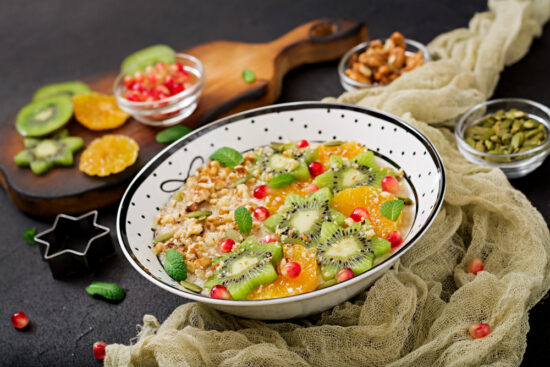
Tinutuan: Indonesian Rice Porridge Celebrating Vegetables
Anshika Jain - October 22, 2026Across Indonesia, traditional food reflects the diversity of local agriculture, community customs and everyday eating habits. Among the distinctive dishes of North Sulawesi is Tinutuan, a savoury…
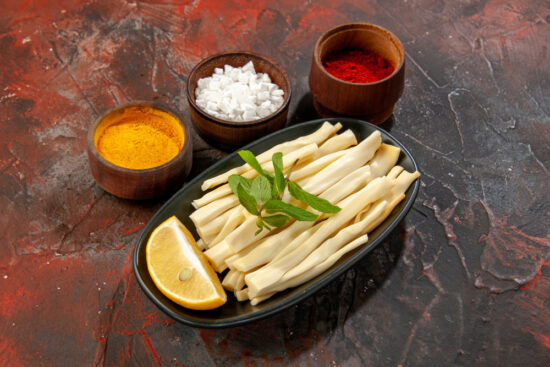
Khorisa-Based Preparations: Fermented Bamboo Shoots
Anshika Jain - October 22, 2026Northeast India is home to a remarkable variety of traditional foods shaped by local agriculture, seasonal ingredients and generations of culinary knowledge. Among the region’s distinctive ingredients…
Most from this category

Jadoh: Khasi Rice Dish That Reflects the Culinary Heritage of Meghalaya
Anshika Jain - October 22, 2026
Anishi Curry: How Fermented Leaf Cakes Create a Distinctive Flavour in Naga Cuisine
Anshika Jain - October 22, 2026
Mammi: The Dark Finnish Easter Dessert Shaped by Rye, Malt and Slow Cooking
Anshika Jain - October 22, 2026
Jadoh: Khasi Rice Dish That Reflects the Culinary Heritage of Meghalaya
Anshika Jain - October 22, 2026Anishi Curry: How Fermented Leaf Cakes Create a Distinctive Flavour in Naga Cuisine
Anshika Jain - October 22, 2026Mammi: The Dark Finnish Easter Dessert Shaped by Rye, Malt and Slow Cooking
Anshika Jain - October 22, 2026
Sikil Pak: Maya Pumpkin-Seed Dip with Roasted Seeds and Tomato
October 22, 2026
Tinutuan: Indonesian Rice Porridge Celebrating Vegetables
October 22, 2026


Leave a Comment