

Why Kombucha Is Trending


In recent years, kombucha has moved from the fringes of niche health communities into mainstream global markets. Once considered an obscure fermented tea consumed primarily by wellness enthusiasts, it is now widely available in supermarkets, cafés, and even restaurants. Its rise reflects broader shifts in consumer preferences toward healthier, functional beverages that offer more than just refreshment.
Kombucha’s growing popularity is not accidental. It sits at the intersection of health consciousness, artisanal food culture, sustainability awareness, and social media influence. This article explores the factors driving the kombucha trend, examining its history, health claims, market dynamics, and cultural significance in the modern world.
The Origins and History of Kombucha
Kombucha is a fermented tea that has been consumed for centuries. Its origins are often traced back to ancient China, where it was valued for its supposed healing properties. Over time, it spread to Russia and Eastern Europe, where it became a traditional (homemade) beverage.
The drink is produced through the fermentation of sweetened tea using a symbiotic culture of bacteria and yeast, commonly known as a SCOBY. This process creates a slightly effervescent beverage with a tangy flavor profile. Historically, kombucha was brewed at home and passed down through generations, often accompanied by anecdotal claims of health benefits.
Its introduction to Western markets began in the late twentieth century, but it remained relatively obscure until the early 2000s. The turning point came when health-conscious consumers began seeking alternatives to sugary sodas and artificially flavored drinks. Kombucha, with its natural ingredients and fermentation process, fit perfectly into this emerging demand.
The Rise of Health Consciousness
One of the primary reasons for kombucha’s popularity is the global shift toward health and wellness. Consumers are increasingly aware of the impact of diet on overall well-being. This awareness has led to a surge in demand for products perceived as natural, organic, and functional.
Kombucha is often marketed as a beverage that supports gut health due to its probiotic content. While scientific research on its benefits is still evolving, the idea of consuming live cultures has gained widespread acceptance. The broader popularity of probiotics in foods like yogurt and fermented vegetables has paved the way for kombucha’s success.
In addition to probiotics, kombucha contains organic acids, vitamins, and antioxidants derived from tea. These components contribute to its image as a health-enhancing drink. Even though not all claims are conclusively proven, the perception of kombucha as a healthier alternative has played a crucial role in its rise.
A Shift Away from Sugary Beverages
The decline of traditional soft drinks has created an opportunity for beverages like kombucha. Increasing concerns about sugar consumption, obesity, and lifestyle-related diseases have led many consumers to reconsider their drink choices. Governments and health organizations have also introduced measures such as sugar taxes and awareness campaigns, further accelerating this shift.
Kombucha is often positioned as a better alternative to soda. Although it does contain some sugar, much of it is consumed during fermentation, resulting in a lower sugar content compared to many carbonated drinks. Its natural carbonation and complex flavor make it appealing to those seeking a more sophisticated beverage experience.
This transition reflects a broader trend in which consumers prioritize quality and perceived health benefits over convenience and familiarity. Kombucha has benefited significantly from this changing mindset.
The Influence of Wellness Culture
Wellness culture has become a defining feature of modern lifestyles, particularly among younger generations. Social media platforms have amplified the visibility of health trends, making products like kombucha more accessible and desirable. Influencers, nutritionists, and lifestyle bloggers frequently promote kombucha as part of a balanced and mindful lifestyle.
The aesthetic appeal of kombucha also contributes to its popularity. Its vibrant colors, glass bottle packaging, and association with natural ingredients make it highly shareable on visual platforms. This visibility reinforces its image as a trendy and aspirational product.
Moreover, kombucha aligns with the broader philosophy of holistic well-being, which emphasizes the connection between physical health, mental clarity, and environmental responsibility. This alignment has helped it resonate with a wide audience.
The Craft Beverage Movement
The rise of kombucha is closely linked to the craft beverage movement. Just as craft beer and specialty coffee have gained popularity, consumers are increasingly interested in unique, artisanal drinks with distinct flavors and production methods.
Kombucha offers a wide range of flavor possibilities, from classic ginger and lemon to more exotic combinations like hibiscus, lavender, and turmeric. This diversity allows producers to experiment and differentiate their products in a competitive market.
Small-scale brewers have played a significant role in popularizing kombucha. Their emphasis on quality, authenticity, and local sourcing appeals to consumers who value transparency and craftsmanship. As a result, kombucha has become part of a broader cultural shift toward appreciating the artistry behind food and beverages.
Sustainability and Ethical Consumption
Sustainability is another factor driving the kombucha trend. Many kombucha brands emphasize eco-friendly practices, such as using organic ingredients, recyclable packaging, and sustainable production methods. These efforts align with the values of environmentally conscious consumers.
The fermentation process itself is often seen as a natural and low-impact method of production. Additionally, the emphasis on local and small-batch brewing reduces the environmental footprint associated with large-scale manufacturing and distribution.
Consumers are increasingly making purchasing decisions based on ethical considerations. Kombucha’s alignment with sustainability and transparency has strengthened its appeal in this context.
Scientific Curiosity and Skepticism
While kombucha is widely celebrated, it is also subject to scientific scrutiny. Researchers continue to study its potential health benefits, particularly in relation to gut health and immune function. Although some findings are promising, experts often caution against overstating its effects.
This balance between enthusiasm and skepticism has not hindered kombucha’s popularity. Instead, it has contributed to ongoing interest and discussion. Consumers are becoming more informed and discerning, seeking evidence-based information while remaining open to new experiences.
The conversation around kombucha reflects a broader trend in which individuals take an active role in understanding their dietary choices. This engagement further reinforces the drink’s relevance in contemporary culture.
Commercial Expansion and Market Growth
The kombucha market has experienced significant growth in recent years. Major beverage companies have entered the space, acquiring or partnering with smaller brands to capitalize on the trend. This expansion has increased availability and accessibility, bringing kombucha to a wider audience.
Retailers now dedicate entire sections to functional beverages, with kombucha occupying a prominent position. Its presence in mainstream outlets signals its transition from a niche product to a widely accepted category.
Despite this commercialization, many consumers continue to value authenticity. Brands that maintain a focus on quality and transparency are more likely to succeed in a competitive market. This dynamic creates a balance between large-scale production and artisanal identity.
Cultural Adaptation and Global Appeal
As kombucha spreads across the globe, it is being adapted to suit different cultural preferences. In some regions, local ingredients and flavors are incorporated into the brewing process, creating unique variations. This adaptability enhances its global appeal.
Kombucha’s journey mirrors that of other traditional foods that have been reinterpreted in new contexts. Its ability to evolve while retaining its core identity is a key factor in its sustained popularity.
At the same time, there is a growing appreciation for its origins and traditional methods. This dual focus on innovation and authenticity allows kombucha to appeal to diverse audiences.
The Future of Kombucha
The future of kombucha appears promising, but it is not without challenges. As the market becomes more saturated, brands will need to differentiate themselves through quality, innovation, and transparency. Regulatory considerations and scientific research will also play a role in shaping its trajectory.
Consumer expectations are likely to continue evolving, with an increasing emphasis on functionality and sustainability. Kombucha’s ability to adapt to these expectations will determine its long-term success.
Moreover, the broader trend toward mindful consumption suggests that kombucha will remain relevant as part of a larger shift in how people approach food and beverages. Its combination of tradition, innovation, and perceived health benefits positions it well for continued growth.
Conclusion
Kombucha’s rise is the result of multiple converging trends, including health consciousness, changing consumer preferences, and the influence of wellness culture. It represents a shift toward beverages that offer both enjoyment and perceived benefits, reflecting a more holistic approach to consumption.
More than just a drink, kombucha has become a symbol of modern lifestyle values. It embodies a desire for authenticity, sustainability, and well-being, while also embracing creativity and innovation.
As it continues to evolve, kombucha serves as a reminder that even ancient traditions can find new relevance in contemporary society. Its journey from a homemade remedy to a global phenomenon highlights the dynamic nature of food culture and the enduring appeal of products that resonate on multiple levels.
Online Internship with Certificate
You may be interested

Kachnar Kali: The Indian Flower Bud That Becomes a Vegetable
Anshika Jain - October 15, 2026In many parts of the world, flowers are admired for their beauty, fragrance and ornamental value. In India, however, certain flowers have another purpose: they become ingredients…

Omija-cha: Korea’s Five-Flavour Tea Made From a Single Berry
Anshika Jain - October 15, 2026Imagine a ruby-red drink that tastes sweet, sour, bitter, salty and pungent, all from a single fruit. This unusual combination is the defining characteristic of Omija-cha, a…
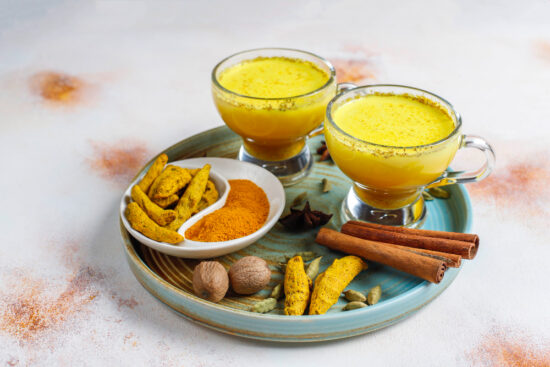
Bir Pletok: Indonesia’s Alcohol-Free ‘Beer’ Made From Ginger and Spices
Anshika Jain - October 15, 2026The word “beer” usually brings to mind a fermented beverage made from grains, a foamy glass served in a pub, or a drink associated with social gatherings.…
Most from this category

Ragi Ambli: Fermented Millet Drink That Predates Today’s Beverage Trend
Anshika Jain - October 15, 2026
Gudok: Tripura’s Fermented Vegetable Dish That Deserves a Global Food Revival
Anshika Jain - October 15, 2026
Mahua: The Forest Flower That Became a Traditional Food and Beverage Ingredient
Anshika Jain - October 14, 2026Ragi Ambli: Fermented Millet Drink That Predates Today’s Beverage Trend
Anshika Jain - October 15, 2026Gudok: Tripura’s Fermented Vegetable Dish That Deserves a Global Food Revival
Anshika Jain - October 15, 2026
Kachnar Kali: The Indian Flower Bud That Becomes a Vegetable
October 15, 2026




Leave a Comment