Masala chai is often casually referred to as “spiced tea,” but such a simple label fails to capture its cultural depth, historical richness, and emotional significance. Across India and increasingly around the world, masala chai represents far more than a beverage. It is a ritual, a symbol of hospitality, a social connector, and even a daily source of comfort and energy. From roadside stalls to modern cafés, the aroma of simmering spices and tea leaves evokes a sense of familiarity that transcends generations.
This article explores why masala chai is not merely a drink but a cultural institution. By examining its origins, preparation, social importance, health aspects, and global evolution, we can better understand how this humble brew has become a powerful symbol of identity and connection.
Historical Roots of Masala Chai
The story of masala chai begins long before it became the popular drink we know today. Tea itself has ancient origins, but in India, it was not always widely consumed. Historically, herbal decoctions made with spices like ginger, cardamom, and black pepper were common in traditional medicine systems such as Ayurveda. These mixtures were valued for their healing properties rather than for refreshment.
The widespread consumption of tea in India began during the colonial era when tea plantations were established. Initially, tea was promoted as a plain beverage, but local populations adapted it to suit their tastes and traditions. By adding milk, sugar, and indigenous spices, they transformed it into masala chai. This adaptation reflects a broader cultural pattern in which foreign influences are absorbed and reinterpreted through local sensibilities.
Over time, masala chai evolved into a uniquely Indian creation, blending imported tea leaves with native spices to create a drink that is both comforting and invigorating.
The Art of Preparation
Masala chai is not made; it is crafted. The process of preparing it is an art that varies from household to household. While the basic ingredients include black tea, milk, water, sugar, and spices, the proportions and combinations differ widely.
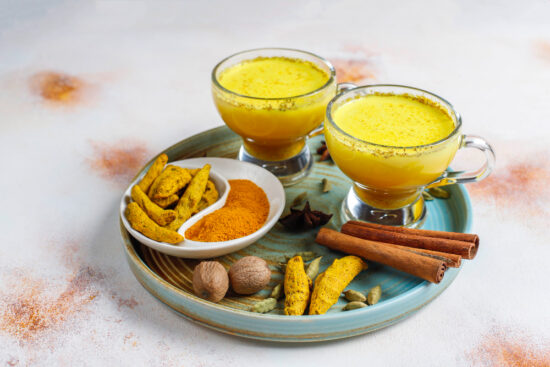
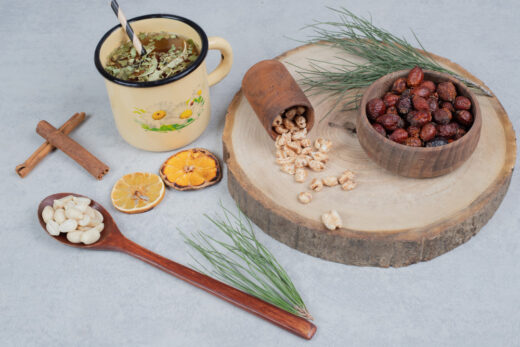
The preparation typically involves boiling water with spices such as ginger, cardamom, cinnamon, cloves, and black pepper. Tea leaves are then added, followed by milk and sugar. The mixture is simmered until it reaches a rich, aromatic consistency. This slow brewing process allows the flavors to blend harmoniously, creating a complex and layered taste profile.
What makes masala chai special is the personal touch involved in its preparation. Each family has its own recipe, often passed down through generations. Some prefer a stronger ginger flavor, while others emphasize sweetness or creaminess. This customization transforms masala chai into a deeply personal experience rather than a standardized product.
A Symbol of Hospitality
In Indian culture, offering chai to guests is a gesture of warmth and respect. When someone visits a home, one of the first questions they are asked is whether they would like a cup of chai. This simple act goes beyond politeness; it reflects a cultural value that prioritizes relationships and human connection.
Masala chai serves as a bridge between people. It creates a moment of pause in which conversations can unfold naturally. Whether discussing family matters, business, or casual topics, chai provides a comfortable setting that encourages openness and dialogue.
This role of chai as a social facilitator extends beyond homes. In offices, shops, and public spaces, chai breaks are an integral part of daily life. They offer a brief respite from routine and an opportunity to connect with others.
The Street Culture of Chai
One of the most vibrant aspects of masala chai culture is its presence on the streets. Small tea stalls, often referred to as “chai tapris,” are found in almost every corner of Indian cities and towns. These stalls are more than just places to grab a quick drink; they are social hubs where people from different backgrounds come together.
At a chai stall, distinctions of class and profession often fade. Students, workers, businesspeople, and travelers stand side by side, sipping chai and engaging in conversation. This democratic nature of chai culture is one of its most remarkable features.
The experience of drinking chai at a roadside stall is unique. The sound of boiling tea, the clinking of glasses, and the lively chatter create an atmosphere that is both energetic and comforting. It is a reminder that even in the midst of busy lives, there is always time for a shared moment over a cup of chai.
Emotional and Psychological Comfort
Masala chai is deeply intertwined with emotions and memories. For many people, it is associated with childhood, family gatherings, and moments of relaxation. The familiar aroma of spices can evoke a sense of nostalgia, transporting individuals back to simpler times.
Drinking chai often becomes a ritual that provides stability in a fast-paced world. Whether it is the first cup in the morning or an evening break after work, chai offers a moment of calm and reflection. This emotional connection is one of the reasons why masala chai holds such a special place in people’s lives.
In times of stress or uncertainty, a cup of chai can be surprisingly comforting. It serves as a reminder of routine and normalcy, helping individuals regain a sense of balance.
Health and Wellness Aspects
Masala chai is not only flavorful but also offers several potential health benefits. The spices used in its preparation have long been valued for their medicinal properties. Ginger is known for aiding digestion and reducing inflammation, while cardamom may help with respiratory health. Cinnamon and cloves are often associated with antioxidant properties.
The combination of these spices with tea creates a beverage that is both energizing and soothing. While it contains caffeine, the presence of milk and spices moderates its effects, making it less harsh than plain tea or coffee.
However, it is important to note that the health benefits of masala chai depend on its preparation. Excessive sugar or overly strong tea can reduce its positive effects. When prepared thoughtfully, masala chai can be a balanced and nourishing drink.
Economic and Cultural Impact
Masala chai plays a significant role in the informal economy. Countless small vendors rely on selling chai as their primary source of income. These vendors contribute to local economies while also preserving a cultural tradition.
The affordability of chai makes it accessible to a wide range of people. Unlike many other beverages, it does not require expensive ingredients or equipment. This accessibility has helped it become a unifying element in society.
Culturally, masala chai has become a symbol of Indian identity. It is often featured in literature, films, and art as a representation of everyday life. Its presence in these mediums highlights its importance beyond its practical use as a beverage.
Global Popularity and Adaptation
In recent years, masala chai has gained popularity around the world. It is now commonly found in international cafés, often labeled as “chai latte.” While these versions may differ from traditional preparations, they reflect the global appeal of the drink.
As masala chai travels across cultures, it continues to evolve. Some adaptations incorporate alternative milk options or reduce sugar content to suit different preferences. While these variations may differ from the original, they demonstrate the versatility of masala chai.
At the same time, there is a growing appreciation for authentic preparation methods. Many people are seeking to experience masala chai in its traditional form, recognizing the depth of flavor and cultural significance it offers.
The Ritual of Everyday Life
One of the most compelling aspects of masala chai is its integration into daily routines. It is not reserved for special occasions but is a constant presence in everyday life. This consistency gives it a unique status as both an ordinary and extraordinary element of culture.
The act of making and drinking chai becomes a ritual that anchors the day. It marks transitions between activities, such as starting the morning, taking a break, or winding down in the evening. These moments, though small, contribute to a sense of structure and continuity.
Conclusion
Masala chai is far more than just tea. It is a reflection of history, culture, and human connection. From its origins as a medicinal brew to its role as a social and emotional cornerstone, masala chai embodies a richness that extends beyond its ingredients.
Its preparation is an art, its consumption a ritual, and its presence a symbol of hospitality and unity. Whether enjoyed at home, on the street, or in a café halfway across the world, masala chai continues to bring people together.
In understanding masala chai, we gain insight into the values and traditions that shape everyday life. It reminds us that even the simplest things can carry profound meaning. A cup of masala chai is not just a drink; it is an experience, a memory, and a connection that transcends time and place.








Leave a Comment