

Fatteh: A Middle Eastern Vegetarian Dish Built With Bread, Chickpeas and Yogurt

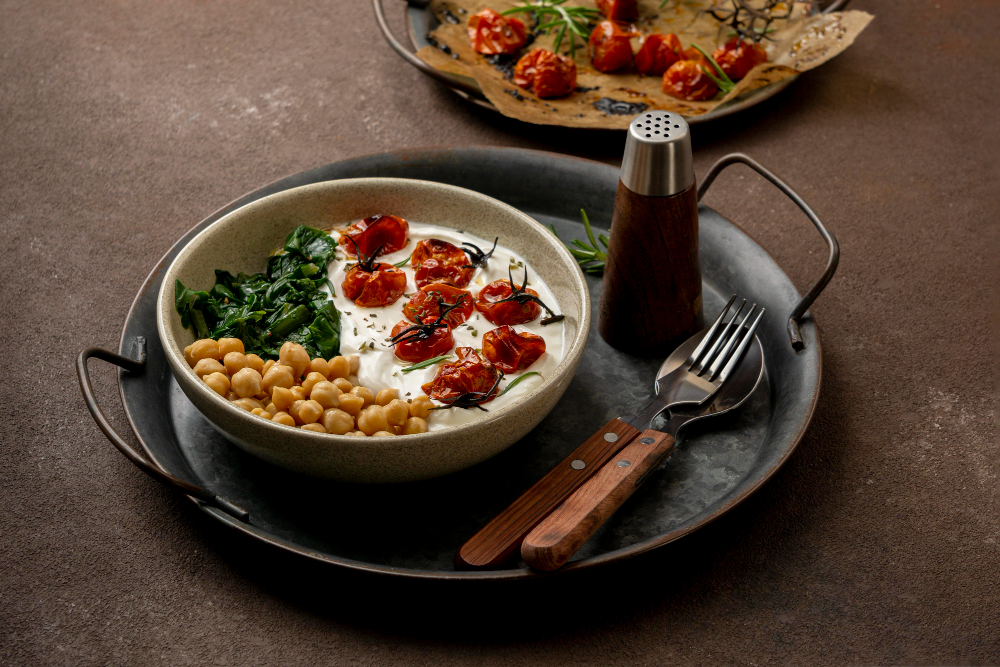
Middle Eastern cuisine is known for transforming simple ingredients into dishes with remarkable depth, texture and flavour. Across the region, bread, legumes, grains, vegetables, herbs, yogurt and spices have formed the foundation of everyday cooking for generations. Fatteh is a particularly interesting example of this culinary approach. Built around pieces of bread, chickpeas and a creamy yogurt-based sauce, the dish brings together ingredients that are familiar on their own but become something much more distinctive when layered together.
Fatteh is commonly associated with the Levant and wider Middle Eastern food traditions, although recipes and names can vary considerably between countries and households. Vegetarian preparations based on chickpeas are particularly popular. The dish is often assembled in layers, with toasted or fried bread forming a base, followed by chickpeas and a seasoned yogurt sauce. Additional ingredients such as tahini, garlic, lemon juice, olive oil, pine nuts or herbs can add further flavour and texture.
What makes vegetarian fatteh especially appealing is its ability to turn inexpensive pantry ingredients into a satisfying and visually interesting meal. The combination of creamy yogurt, tender chickpeas and crisp bread creates a contrast that makes every bite different. At the same time, the dish reflects a broader Middle Eastern culinary tradition in which simple ingredients are carefully combined rather than heavily processed.
What Is Fatteh?
Fatteh is a traditional Middle Eastern dish whose name is related to the idea of crumbling or breaking bread into pieces. Bread plays a central role in the dish, and the preparation often involves layering or combining pieces of bread with other ingredients.
The exact recipe depends on the region. Chickpea fatteh is one of the best-known vegetarian versions and commonly includes chickpeas, yogurt, tahini, garlic and lemon. The bread may be toasted or fried before being placed at the bottom of the serving dish.
The finished dish is neither simply a salad nor a conventional bread dish. It sits somewhere between a warm and cold layered meal, depending on the preparation. The chickpeas can be warm, while the yogurt sauce is often cool or at room temperature. The bread provides a crisp or slightly softened texture depending on how long it sits beneath the other ingredients.
This combination is central to the character of fatteh.
The Middle Eastern Roots of Fatteh
Fatteh is particularly associated with the Levant, a region that includes areas of the eastern Mediterranean. Similar dishes and variations can be found across countries such as Lebanon, Syria, Jordan and Palestine, although local recipes can differ significantly.
The dish reflects the resourcefulness of regional home cooking. Bread is a staple ingredient across much of the Middle East, while chickpeas, yogurt, sesame-based tahini and garlic are also common components of traditional cuisine.
Rather than requiring rare or expensive ingredients, fatteh demonstrates how everyday foods can be transformed through careful preparation and layering. This is one reason dishes like fatteh have remained relevant across generations.
Its regional variations also demonstrate that traditional food rarely follows one universal recipe. Families may change the quantities, toppings, spices or preparation techniques according to local preferences and available ingredients.
Why Bread Is at the Heart of Fatteh
Bread is not simply an accompaniment in fatteh. It forms one of the structural and textural foundations of the dish.
Traditional Middle Eastern breads such as pita are particularly suitable because they can be cut or torn into pieces and toasted until crisp. The bread provides a base capable of absorbing some of the yogurt and chickpea flavours while retaining enough texture to prevent the dish from becoming completely soft.
This creates an appealing contrast. Freshly toasted bread offers crunch, while the moisture from yogurt and chickpeas gradually softens some of the pieces.
The use of bread also reflects a broader Middle Eastern culinary tradition in which flatbreads are used in creative ways beyond serving as a side dish. Bread can become a base, a scoop, a topping or a major ingredient in a meal.
The Role of Chickpeas
Chickpeas provide the main substance in a vegetarian chickpea fatteh. They contribute a mild nutty flavour and a soft but firm texture that works particularly well with creamy yogurt.
Chickpeas have a long history in Middle Eastern cuisine and are used in many familiar dishes, including hummus and falafel. Their presence in fatteh demonstrates their versatility.
For fatteh, chickpeas can be cooked until tender and served warm over the bread. Their warmth contrasts with the yogurt sauce and helps create a comforting meal.
The chickpeas also make the dish more filling. Combined with bread and yogurt, they create a satisfying vegetarian preparation that can work as a breakfast, brunch, lunch or light dinner depending on the portion and accompanying foods.
Creamy Yogurt Brings the Dish Together
The yogurt sauce is one of the defining components of vegetarian fatteh. Its creamy consistency creates a smooth layer between the chickpeas and bread while adding a mild tanginess.
Garlic and lemon juice are commonly used to season the yogurt. Tahini may also be added, bringing a nutty sesame flavour and additional richness.
The yogurt is important because it balances the other components. The bread provides toasted or fried richness, while the chickpeas contribute earthy flavours. The tanginess of yogurt and lemon keeps the overall dish from becoming too heavy.
This balance is characteristic of many Middle Eastern dishes, where rich ingredients are often combined with acidic, fresh or herbal components.
Tahini and the Flavour of Sesame
Tahini is a paste made from ground sesame seeds and is an important ingredient in many Middle Eastern cuisines. In fatteh, it can be mixed with yogurt to create a sauce with greater depth and a distinct sesame aroma.
Tahini adds a subtle bitterness and nuttiness that complements chickpeas naturally. Its richness also works well with the toasted flavour of pita bread.
The amount of tahini can vary according to the recipe. Some preparations have a strongly sesame-forward sauce, while others use a smaller quantity to keep the yogurt flavour more prominent.
This flexibility allows cooks to adapt the dish without changing its fundamental structure.
Garlic, Lemon and Fresh Flavours
Garlic and lemon may appear simple, but they play an important role in creating balance.
The amount of garlic can significantly influence the final dish. A mild preparation may use only a small amount, while traditional recipes can have a much more pronounced garlic flavour.
Fresh herbs can also be added to the finished dish. Parsley, mint or other herbs can contribute colour and freshness, creating another contrast with the creamy yogurt and earthy chickpeas.
The Importance of Texture
One of the most appealing characteristics of fatteh is its combination of textures.
The chickpeas are soft and tender. The yogurt is smooth and creamy. The bread can be crisp, chewy or partially softened. Nuts or seeds, when used as toppings, can provide an additional crunch.
This variety makes the dish more interesting than a meal in which every component has the same texture.
The timing of assembly can also influence the experience. If the bread is covered with yogurt and chickpeas long before serving, it will absorb more moisture and become softer. If the dish is assembled shortly before eating, more of the bread’s original crispness can remain.
Toasted Bread or Fried Bread?
Different fatteh recipes use different approaches to preparing the bread. Some cooks toast pita pieces in an oven, while others fry them until golden and crisp.
Toasting can produce a lighter preparation with a pronounced baked flavour. Frying creates a richer and more indulgent result.
Both methods contribute to the dish’s characteristic contrast between crisp bread and creamy toppings.
The choice often depends on family tradition, regional preference and personal taste. Modern home cooks may also choose preparation methods based on convenience or dietary preferences.
Regardless of the method, the purpose remains similar: to create a textured bread layer that can support the chickpeas and sauce.
How Fatteh Is Traditionally Assembled
Fatteh is generally assembled rather than cooked as a single mixture. The bread forms the lower layer, followed by chickpeas and the yogurt-based sauce.
The dish may then be finished with garnishes such as toasted pine nuts, almonds, parsley, paprika, cumin or a drizzle of olive oil.
This layered construction makes the dish visually appealing. The creamy white yogurt contrasts with golden bread, beige chickpeas and green herbs.
The arrangement can also affect the eating experience. As the layers are mixed together while eating, different textures and flavours combine gradually.
This makes fatteh a dish that is both visually structured and texturally dynamic.
Regional Variations of Fatteh
There is no single version of fatteh that represents the entire Middle East. Recipes can vary depending on the country and the occasion.
Some versions use chickpeas as the central ingredient, while others may contain eggplant or different combinations of vegetables. Sauces can also differ in their use of yogurt, tahini, garlic and spices.
In some preparations, the dish is served as a breakfast or brunch meal. In others, it may be part of a larger spread of dishes.
These variations are an important part of understanding traditional food. Instead of treating fatteh as one fixed recipe, it is more accurate to view it as a family of dishes connected by the idea of combining bread with layered ingredients and sauces.
Fatteh as a Vegetarian Comfort Food
Vegetarian fatteh demonstrates that comfort food does not require complicated ingredients. Chickpeas, bread and yogurt can create a meal that is warm, creamy, filling and flavourful.
The dish is particularly appealing during cooler weather when warm chickpeas and toasted bread provide a comforting base. At the same time, the lemon, yogurt and fresh herbs prevent it from feeling overly heavy.
Its versatility also makes it suitable for different occasions. A smaller serving can work as part of a breakfast spread, while a larger portion can become a complete vegetarian meal.
This adaptability is one reason traditional dishes continue to find a place in modern kitchens.
Nutritional Characteristics of the Ingredients
The ingredients used in chickpea fatteh each contribute different nutritional components. Chickpeas provide plant-based protein, dietary fibre and carbohydrates. Yogurt contributes protein and minerals, depending on the type used. Tahini provides fats and sesame-derived nutrients, while bread contributes carbohydrates.
However, the nutritional profile of the finished dish can vary substantially depending on preparation. Fried bread, large quantities of tahini or rich toppings can increase its energy density.
For this reason, it is useful to appreciate fatteh as a traditional dish rather than reducing it to a single nutritional claim. Its value lies in the combination of ingredients, culinary tradition and versatility.
People can also adapt the dish according to their dietary preferences by choosing whole-grain bread, adjusting the amount of sauce or using different toppings.
Fatteh and the Tradition of Resourceful Cooking
One of the most interesting aspects of fatteh is the way it demonstrates resourceful cooking.
Bread that might otherwise become stale can be toasted and transformed into the foundation of a new meal. Chickpeas provide an affordable and versatile source of nourishment, while yogurt and tahini create a rich sauce without requiring an elaborate ingredient list.
This approach is found in many traditional cuisines around the world. Home cooks have historically developed dishes that make efficient use of available ingredients while creating something enjoyable and satisfying.
Fatteh is therefore not only a recipe. It represents a way of thinking about food in which familiar ingredients can be combined creatively.
Fatteh in Modern Food Culture
Modern interest in Middle Eastern cuisine has introduced traditional dishes to audiences far beyond their original regions. Hummus, falafel, tabbouleh and baba ganoush are now familiar in many parts of the world, while dishes such as fatteh are increasingly being discovered by food enthusiasts.
Social media and food-focused content have also helped bring attention to dishes that may previously have been known primarily within particular communities.
Fatteh is particularly suited to this environment because its layered appearance makes it visually distinctive. The contrast between toasted bread, chickpeas, creamy sauce and colourful toppings creates an appealing presentation.
At the same time, its simple ingredient base makes it accessible to home cooks interested in exploring Middle Eastern food.
Adapting Fatteh for Contemporary Kitchens
Modern cooks can adapt vegetarian fatteh in many ways while maintaining its basic character. Different types of bread can change the texture, while herbs and spices can adjust the flavour.
Roasted vegetables can also be incorporated into some modern interpretations. Eggplant, cauliflower or roasted peppers can introduce additional textures and flavours.
However, the central elements remain important. Bread provides the foundation, chickpeas contribute substance and the yogurt-based sauce connects the layers.
This balance between tradition and adaptation is part of what keeps regional dishes relevant. A recipe can evolve without losing the culinary ideas that define it.
Why Fatteh Deserves More Attention
Fatteh may not have the same global recognition as some other Middle Eastern dishes, but its combination of simplicity and complexity makes it particularly interesting.
The ingredients are familiar, yet their arrangement produces an entirely different experience. Toasted bread becomes a textured foundation. Chickpeas become the hearty centre. Yogurt transforms into a tangy sauce. Tahini adds sesame richness, while lemon, garlic and herbs provide balance.
The dish also offers an excellent introduction to the principles of Middle Eastern cooking. It demonstrates the importance of texture, acidity, aromatic ingredients and careful layering.
For vegetarian food lovers, it offers a satisfying meal that does not depend on flavour or substance.
Conclusion: A Simple Dish With Layers of Tradition
Fatteh is a wonderful example of how Middle Eastern cuisine can turn everyday ingredients into a dish with remarkable character. Its combination of bread, chickpeas, yogurt, tahini, garlic, lemon and herbs creates a balance of creamy, crunchy, tangy and savoury flavours.
The vegetarian chickpea version is particularly appealing because it highlights the natural versatility of plant-based ingredients. Rather than treating vegetables and legumes as substitutes the dish gives chickpeas a central role and allows the flavours of yogurt, sesame, bread and herbs to work together.
More than just a recipe, fatteh reflects a broader culinary tradition built around resourcefulness, hospitality and thoughtful combinations of simple ingredients. Its regional variations demonstrate how food evolves across communities while retaining familiar foundations.
As global interest in Middle Eastern cuisine continues to grow, dishes such as fatteh offer an opportunity to explore flavours beyond the most widely known classics. A bowl of vegetarian fatteh brings together crisp bread, tender chickpeas and creamy yogurt in a way that feels both comforting and distinctive.
For anyone looking to discover a traditional vegetarian dish with history, texture and flavour, fatteh provides a delicious introduction to the richness of Middle Eastern home cooking.
Online Internship with Certificate
You may be interested
Sopes: Mexico’s Small Corn-Based Street Food With Vegetarian Toppings
Anshika Jain - September 21, 2026Mexican cuisine is celebrated around the world for its colourful ingredients, bold seasonings, regional diversity, and deep connection to traditional cooking. From tacos and tamales to enchiladas…
Yachaejeon: Korea’s Crispy Vegetable Pancake
Anshika Jain - September 21, 2026Korean cuisine is known for its balance of bold flavours, colourful ingredients, contrasting textures, and thoughtful preparation techniques. While dishes such as kimchi, bibimbap, and Korean noodles…
Ful Medames: Egypt’s Traditional Bean Dish and Its Vegetarian Appeal
Anshika Jain - September 21, 2026Food often tells the story of a culture through simple ingredients, traditional preparation methods, and meals that have been shared across generations. Some dishes become internationally recognised…
Most from this category
Khao Soi Vegetarian: Thailand’s Creamy Noodle Dish With a Rich Coconut Twist
Anshika Jain - September 21, 2026


Khao Soi Vegetarian: Thailand’s Creamy Noodle Dish With a Rich Coconut Twist
Anshika Jain - September 21, 2026Kvass: Exploring Eastern Europe’s Traditional Fermented Drink
Anshika Jain - September 21, 2026
Sopes: Mexico’s Small Corn-Based Street Food With Vegetarian Toppings
September 21, 2026
Yachaejeon: Korea’s Crispy Vegetable Pancake
September 21, 2026
Ful Medames: Egypt’s Traditional Bean Dish and Its Vegetarian Appeal
September 21, 2026


Leave a Comment