

Gomen Besiga-free Gomen: Collard greens cooked with spices

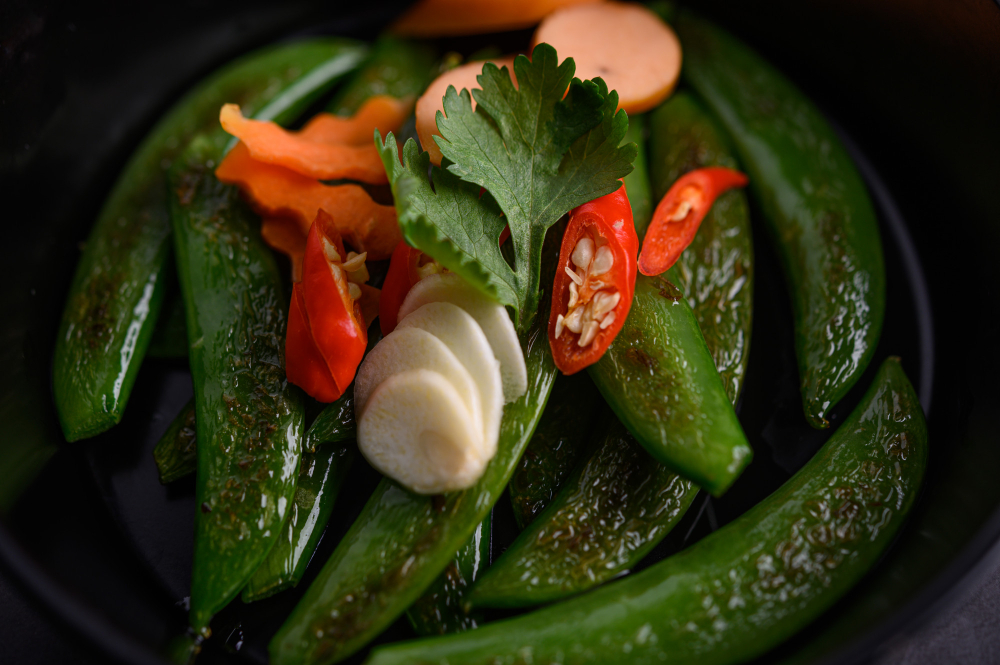
Ethiopian cuisine is widely recognised for its distinctive spice combinations, slow-cooked vegetable dishes, fermented flatbread and rich culinary traditions. Among its many vegetable preparations, Gomen holds a special place as a comforting and flavourful dish made primarily from leafy greens. Traditionally prepared using collard greens, garlic, ginger, onions and aromatic spices, Gomen demonstrates how simple ingredients can be transformed into a deeply satisfying meal through careful cooking.
The term Gomen generally refers to cooked leafy greens in Ethiopian cuisine, particularly collard greens. One traditional variation, known as Gomen Besiga, incorporates meat, while a plant-based preparation without meat can be described as besiga-free Gomen. This version focuses on the natural flavour of collard greens, enhanced by garlic, ginger, onions, oil and spices. It offers a delicious alternative for people interested in vegetarian and vegan interpretations of Ethiopian food.
Besiga-free Gomen is more than a vegetable side dish. It reflects the importance of greens in Ethiopian home cooking and demonstrates how plant-based ingredients can create complex flavours without requiring animal products. Its combination of earthy vegetables, aromatic seasonings and gentle cooking makes it suitable for everyday meals as well as traditional dining occasions.
The Cultural Background of Gomen in Ethiopian Cuisine
Ethiopia has a diverse food culture shaped by regional agricultural practices, local ingredients, religious traditions and long-established cooking methods. Vegetables, legumes, grains and spices play important roles in many Ethiopian meals. Leafy greens are particularly valuable because they can be prepared in several ways and served alongside staple foods such as injera.
Gomen is one of the familiar vegetable dishes found in Ethiopian households and restaurants. Its main ingredient, collard greens, is valued for its substantial leaves, earthy taste and ability to withstand cooking. Unlike delicate salad greens, collards become tender while retaining enough structure to provide a satisfying texture.
Vegetable dishes also have an important place in Ethiopian fasting traditions. Many Ethiopian Orthodox Christian fasting periods involve avoiding meat, dairy products and eggs. During these periods, plant-based preparations become especially significant in everyday meals. Dishes made with greens, lentils, chickpeas, beans and other vegetables offer variety and nourishment while respecting dietary practices.
Besiga-free Gomen fits naturally into this broader culinary tradition. Although recipes differ between households and regions, the central idea remains consistent: cook leafy greens with aromatic ingredients until their flavours combine into a balanced preparation. The dish demonstrates that traditional Ethiopian cooking does not depend exclusively on meat-based recipes.
Understanding the Meaning of Besiga-Free Gomen
The distinction between Gomen and Gomen Besiga is important when exploring this dish. Gomen refers broadly to a preparation of cooked greens, while Gomen Besiga is a variation that includes meat. The addition of meat changes the dish’s flavour, texture and nutritional composition.
Besiga-free Gomen removes the meat component while retaining the characteristic preparation of seasoned collard greens. Instead of relying on meat for richness, this version develops flavour through garlic, ginger, onions, oil and spices. The natural earthiness of the greens becomes the foundation of the dish.
The plant-based version can be prepared using vegetable oil or another suitable plant-derived cooking fat. Some cooks prefer a relatively simple seasoning, allowing the collard greens to remain prominent, while others use additional spices to create a more aromatic result. The final flavour depends on the balance between the greens, aromatics and cooking liquid.
It is important to distinguish between a dish that is naturally prepared without meat and one that is fully vegan. A besiga-free preparation is plant-based when it also avoids butter, animal fat, meat stock and other animal-derived ingredients. Using vegetable oil and water or vegetable stock helps maintain this character.
The Importance of Collard Greens
Collard greens are the defining ingredient of Gomen. They belong to the same broad botanical family as cabbage, kale and broccoli. Their large, firm leaves have a slightly bitter, earthy flavour that becomes milder during cooking. This makes them particularly suitable for dishes that involve simmering or sautéing with spices.
The leaves provide the dish with its characteristic structure. When cooked correctly, they become tender without completely losing their identity. The stems are firmer than the leaves and may require additional cooking time. Removing particularly thick stems or slicing them finely helps ensure that the entire preparation cooks evenly.
Freshness plays an important role in the final result. Fresh collard greens generally have firm leaves and a vibrant green appearance. Before cooking, they should be washed carefully because soil can collect around their stems and folded leaf surfaces. After washing, the leaves are usually drained and cut into manageable strips.
Collard greens are also nutritionally valuable. They provide dietary fibre, vitamin K, vitamin C, vitamin A precursors and several minerals. Their nutrient composition makes them a useful addition to a varied diet. However, the overall nutritional value of Gomen depends on the ingredients used, the cooking method and the amount of oil added.
Garlic and Ginger: The Aromatic Foundation
Garlic and ginger are central to the flavour profile of besiga-free Gomen. Although both ingredients are used in many international cuisines, their combination gives this Ethiopian preparation a distinctive aromatic character.
Garlic contributes a strong, savoury aroma that becomes softer and slightly sweet when cooked in oil. Raw garlic has a sharp flavour, but gentle heating reduces its intensity and allows its aromatic compounds to blend with the other ingredients. It provides depth without overpowering the greens when used in moderation.
Ginger introduces warmth and a mild, fresh pungency. Its flavour complements the earthy taste of collard greens and helps create a more layered seasoning profile. Freshly grated or finely chopped ginger can be added to the cooking mixture, allowing its aroma to spread throughout the dish.
The timing of these ingredients is important. Garlic and ginger are generally added after the onions have softened or at a stage when they can cook gently without burning. Excessive heat can make garlic bitter and reduce the balance of the preparation. A controlled cooking temperature allows both ingredients to release their aromas gradually.
Together, garlic and ginger form a flavour base that gives the dish character even without meat or animal-based stock.
The Role of Ethiopian Spices and Seasonings
Ethiopian cuisine is known for its use of aromatic spices, particularly in dishes that require slow cooking and careful seasoning. Besiga-free Gomen can be prepared with a relatively simple combination of seasonings or adapted with additional spices according to regional and household preferences.
Berbere is one of Ethiopia’s best-known spice blends. It commonly includes ingredients such as dried chillies, garlic, ginger, fenugreek and other spices, although its exact composition varies. When added in a measured quantity, berbere can provide warmth, colour and complexity to vegetable dishes. However, it is not essential for every Gomen recipe, and some preparations use milder seasoning to preserve the natural flavour of the greens.
Turmeric may also be used in certain interpretations, adding colour and an earthy note. Black pepper can provide gentle heat, while salt helps balance the natural bitterness of collard greens. Onions contribute sweetness and body, especially when cooked until soft.
The choice of seasoning should support rather than conceal the main ingredient. Collard greens have a recognisable taste, and an excessive quantity of strong spices can make the preparation lose its vegetable-centred character. A balanced approach allows the greens, garlic and ginger to remain identifiable while the spices create additional depth.
Traditional Preparation of Besiga-Free Gomen
The preparation of Gomen begins with cleaning and cutting the collard greens. The leaves are washed thoroughly, drained and sliced into narrow strips. If the stems are thick, they can be removed or chopped more finely so that they soften at approximately the same time as the leaves.
Onions are then finely chopped and heated in a cooking pot with vegetable oil. They are cooked gently until softened and slightly translucent. This step creates a savoury foundation for the dish. Garlic and ginger are added next and cooked briefly, allowing their aromas to develop without becoming burnt.
The collard greens are gradually added to the pot. Depending on the quantity and size of the cooking vessel, they may need to be added in batches. The leaves initially occupy considerable space but gradually reduce in volume as they soften and release moisture.
The greens are stirred so that they become evenly coated with the onion, garlic and ginger mixture. Salt and selected spices are added according to taste. A small amount of water or vegetable stock can be introduced if necessary to prevent sticking and support the cooking process. The mixture is then covered and allowed to cook over low or medium-low heat.
Slow cooking is important because it gives the leaves enough time to become tender while allowing the aromatics to blend. The greens should not become excessively mushy. A well-prepared Gomen retains some texture, with tender leaves and a cohesive seasoning mixture.
Near the end of cooking, the lid can be removed to allow excess moisture to evaporate. The dish is then tasted and adjusted with additional seasoning if required. The final preparation should be moist but not watery, with the flavour of collard greens remaining central.
Food Science Behind the Cooking Process
The transformation of raw collard greens into tender Gomen involves several important food-science processes. Understanding these changes explains why the cooking method and timing influence the final texture and flavour.
Collard greens contain plant cell walls made partly of cellulose and other structural carbohydrates. These structures give raw leaves their firmness. During heating, the leaves soften as their cellular structure changes and their tissues become less rigid. Longer cooking generally produces a softer texture, although excessive cooking can cause the leaves to lose their shape.
Moisture also plays an important role. Collard greens contain water within their tissues, and heating encourages this moisture to move through the leaves. This contributes to softening and helps distribute the seasoning. Adding a small quantity of water can support even cooking, but too much liquid may dilute the flavour.
The aromatic ingredients undergo changes as well. Heating garlic and ginger in oil releases flavour compounds that disperse through the cooking mixture. Oil helps carry certain aromatic compounds, allowing them to coat the greens more evenly. Onions also soften and develop a sweeter, less sharp flavour during cooking.
The bitterness of collard greens may become less pronounced as the leaves soften and their flavours combine with the seasonings. However, cooking does not eliminate every naturally occurring bitter compound. The final taste depends on the variety of greens, their maturity, cooking duration and seasoning balance.
These processes show why Gomen benefits from controlled heat rather than rapid, high-temperature cooking. A gradual approach allows the ingredients to develop a more harmonious flavour and texture.
Taste, Texture and Appearance
Besiga-free Gomen is characterised by a combination of earthy, savoury and gently aromatic flavours. The collard greens provide a mild bitterness that forms the foundation of the dish, while onions add sweetness and garlic contributes a savoury depth. Ginger introduces warmth, and spices can provide additional complexity.
The texture is usually soft and tender without becoming completely smooth. Properly cooked leaves should be easy to bite while retaining enough structure to distinguish them from a purée. Finely sliced stems may provide a slightly firmer texture, creating contrast within the dish.
Its appearance is generally dominated by deep green leaves mixed with softened onions and seasonings. Depending on the spices used, the preparation may have subtle golden, reddish or brownish tones. A moderate quantity of oil gives the greens a light coating and helps the seasonings adhere to their surfaces.
Unlike heavily sauced vegetable dishes, Gomen is usually relatively simple in appearance. Its appeal comes from the natural colour of the greens and the combination of familiar ingredients rather than an elaborate presentation.
How Gomen Is Traditionally Served
Gomen is commonly served as part of a wider Ethiopian meal, where several dishes are presented together. One of its most familiar accompaniments is injera, a traditional fermented flatbread usually made from teff flour. Injera has a soft, slightly spongy texture and a mildly sour taste that complements the savoury flavour of cooked greens.
In Ethiopian dining, injera can serve as both the base of a meal and an eating utensil. Portions of Gomen and other dishes are placed on the flatbread, and diners use pieces of injera to pick up the food. This shared style of serving reflects the communal character of many traditional Ethiopian meals.
Besiga-free Gomen can also be served alongside lentil preparations such as Misir Wot, made with red lentils and seasoned with Ethiopian spices. Other suitable accompaniments include chickpea dishes, split peas, cabbage preparations and vegetable stews. Together, these dishes create a meal with different flavours, textures and sources of nutrients.
Outside Ethiopia, Gomen can be served with rice, flatbreads or other grain-based foods. Although these combinations may differ from traditional Ethiopian presentation, they provide practical ways to include the dish in everyday meals.
Regional and Household Variations
Like many traditional foods, Gomen does not have a single fixed recipe. Its preparation varies between households, regions and individual cooks. The type of oil, quantity of garlic, use of ginger and choice of spices can all influence the final result.
Some cooks prefer a simple preparation in which collard greens are seasoned lightly with onions, garlic and salt. This approach allows the natural flavour of the vegetable to remain prominent. Other versions use berbere or additional spices to produce a stronger and more complex taste.
Cooking methods can also differ. Some recipes involve briefly boiling or blanching the greens before combining them with the aromatic mixture. Others cook the leaves directly in the pot with onions and seasonings. The first method can help reduce cooking time, while the second allows the greens to absorb the flavour of the aromatics throughout the process.
Modern plant-based interpretations may include ingredients such as carrots, green chillies or additional herbs. These additions can introduce new flavours, although they are not necessary for a traditional-style preparation. The defining feature remains the seasoned collard greens.
The flexibility of Gomen is one reason it remains relevant in different culinary settings. It can be adapted to ingredient availability while preserving its essential identity as a cooked Ethiopian greens dish.
Nutritional Value of Besiga-Free Gomen
The plant-based preparation of Gomen provides a way to include leafy vegetables in a balanced diet. Collard greens are a source of dietary fibre, which contributes to digestive health and supports normal bowel function. They also contain vitamin K, which is involved in normal blood clotting and bone metabolism.
The vitamin C present in collard greens contributes to normal immune function and helps the body absorb non-haem iron from plant foods. The greens also provide carotenoids, including compounds that can be converted into vitamin A in the body. Their mineral content includes calcium and other nutrients, although the amount absorbed can vary depending on the composition of the meal and the presence of naturally occurring compounds in vegetables.
Garlic and ginger contribute flavour and contain naturally occurring plant compounds. However, the dish should be understood primarily as a vegetable preparation rather than as a medical or therapeutic food. Its nutritional contribution depends on the overall diet in which it is included.
The use of vegetable oil adds fat and increases the dish’s energy content. The amount used can be adjusted according to preference. Cooking the greens with a moderate quantity of oil provides flavour without making the preparation unnecessarily heavy.
When served with injera, lentils or other legumes, Gomen can become part of a more substantial meal. Combining leafy vegetables with legumes and grains provides a wider range of nutrients and makes the meal more varied.
Why Besiga-Free Gomen Appeals to Plant-Based Diets
Interest in plant-based cooking has encouraged people to explore traditional vegetable dishes from different parts of the world. Besiga-free Gomen is a useful example because it does not need complicated meat substitutes or specialised ingredients to deliver flavour.
Its main ingredients are accessible in many markets, and the cooking method is relatively straightforward. Collard greens may be replaced with other sturdy leafy greens when they are unavailable, although the flavour and texture will naturally change. Kale or certain varieties of mustard greens can provide alternatives, but the result should be understood as an adaptation rather than an exact traditional preparation.
The dish also demonstrates how aromatic ingredients can create depth in vegetable cooking. Garlic, ginger, onions and spices provide a strong flavour foundation, showing that a satisfying plant-based meal does not necessarily require animal-based stock or meat-derived fat.
For people following vegan diets, the most important consideration is the choice of cooking fat and liquid. Vegetable oil and water or vegetable stock keep the dish free from animal-derived ingredients. When eating outside the home, it is useful to confirm whether butter, meat stock or other animal products have been included.
Gomen in Contemporary Global Food Culture
Ethiopian cuisine has gained wider recognition internationally through restaurants, food festivals, culinary publications and growing interest in regional food traditions. Dishes such as injera, Misir Wot, Shiro and Gomen have introduced diners to a food culture built around shared meals, distinctive spices and varied plant-based preparations.
Besiga-free Gomen is particularly relevant to contemporary interest in vegetarian and vegan food. It offers an example of a traditional dish that can fit into modern plant-based menus without requiring a complete reinvention of its ingredients or preparation.
Restaurants outside Ethiopia may serve Gomen as a side dish, part of a vegetarian combination platter or an accompaniment to lentil and chickpea preparations. Home cooks can also prepare it using locally available greens and pantry seasonings.
However, its popularity should not reduce the dish to a generic sautéed vegetable recipe. Gomen has a specific cultural context and a place within Ethiopian food traditions. Understanding its relationship with injera, fasting meals and other Ethiopian preparations helps preserve the cultural meaning behind the food.
Conclusion
Besiga-free Gomen represents the flavour, simplicity and versatility of Ethiopian vegetable cooking. Prepared with collard greens, garlic, ginger, onions, oil and carefully selected spices, it demonstrates how everyday plant-based ingredients can produce a deeply satisfying dish. Its tender texture and earthy flavour make it suitable for serving alongside injera, lentil stews and other traditional Ethiopian foods.
The dish also highlights the importance of leafy greens in Ethiopian culinary traditions, particularly during fasting periods when plant-based meals become central to everyday eating. Its preparation can vary between households, but the essential character of Gomen remains rooted in the careful cooking of greens with aromatic seasonings.
As global interest in traditional vegetarian food continues to grow, besiga-free Gomen offers an opportunity to explore Ethiopian cuisine beyond its better-known meat-based dishes. It is a nutritious, adaptable and culturally meaningful preparation that shows how flavourful plant-based cooking can emerge from simple ingredients and established culinary knowledge.
Online Internship with Certificate
You may be interested

Farinata di Ceci: A thin oven-baked chickpea-flour pancake
Anshika Jain - November 3, 2026Italian cuisine is widely recognised for its regional diversity, where simple ingredients are transformed into distinctive dishes through traditional preparation methods. While pasta, pizza and risotto receive…
Cime di Rapa: Exploring the Traditional Leafy Turnip Greens of Italian Cuisine
Anshika Jain - November 3, 2026Southern Italian cuisine is celebrated for its ability to transform simple, seasonal ingredients into dishes with remarkable flavour and character. Vegetables, legumes, olive oil, garlic and locally…
Zaalouk — Morocco, cooked eggplant and tomato salad with spices
Anshika Jain - November 3, 2026Moroccan cuisine is widely recognised for its rich combination of spices, fresh vegetables, olive oil and traditional cooking techniques. Its culinary identity has developed through centuries of…
Most from this category

Yomogi Mochi: Japan’s Mugwort Rice Cake with a Distinctive Herbal Flavour
Anshika Jain - November 2, 2026
Yomogi Mochi: Japan’s Mugwort Rice Cake with a Distinctive Herbal Flavour
Anshika Jain - November 2, 2026
Farinata di Ceci: A thin oven-baked chickpea-flour pancake
November 3, 2026
Zaalouk — Morocco, cooked eggplant and tomato salad with spices
November 3, 2026
Ajoblanco: Chilled almond-and-garlic soup made with bread
November 3, 2026

Leave a Comment