

Arepas: The Traditional Cornmeal Delight of Latin America


Few foods represent the history, identity, and everyday traditions of Latin America as beautifully as the arepa. Made primarily from cornmeal or maize dough, the arepa is a round, flat cake that has been enjoyed for centuries and continues to hold a special place in the culinary traditions of Colombia and Venezuela. Simple in its basic form but remarkably versatile in preparation, the arepa can be eaten plain, served with cheese and butter, or filled with ingredients ranging from and beans to avocado, vegetables, and seafood.
At first glance, an arepa may appear to be a simple corn cake. However, behind this humble dish lies a deep connection to Indigenous traditions, the agricultural importance of maize, family cooking, regional identity, and the evolution of Latin American cuisine. Arepas are part of everyday life for millions of people and can be enjoyed at breakfast, lunch, dinner, or as a snack.
The dish is most strongly associated with Colombia and Venezuela, where it has become a culinary symbol and an essential part of national food culture. Its exact geographical origin remains the subject of a friendly and long-running debate between the two countries, but historians and linguistic sources generally connect the arepa to pre-Columbian Indigenous communities and the long history of maize cultivation in northern South America.
Today, arepas have travelled far beyond their traditional homeland. Migration, global interest in Latin American food, and the growth of international culinary culture have introduced arepas to restaurants, markets, and home kitchens around the world. Their popularity continues to grow because they are delicious, adaptable, naturally connected to traditional food practices, and suitable for a wide variety of fillings and flavours.
The story of the arepa is therefore much more than the story of a traditional food. It is a story about culture, migration, history, identity, and the remarkable journey of one of Latin America’s most beloved corn-based dishes.
The Ancient Origins of the Arepa
The history of the arepa begins long before the modern borders of Colombia and Venezuela existed. Maize was one of the most important crops in the food traditions of Indigenous communities across the Americas, and people developed numerous ways to grind, cook, and transform corn into everyday foods.
The arepa is generally recognised as a pre-Columbian preparation connected to Indigenous food traditions in the region that now includes Colombia and Venezuela. Historical and linguistic evidence also shows that the term has deep roots in Indigenous languages. The Historical Dictionary of the Spanish Language traces the word arepa to the Cumanagoto term erepa, associated with maize, and records the word in historical documentation dating back to the sixteenth century.
Before industrial food processing and modern kitchens, preparing maize was a labour-intensive process. Corn kernels could be soaked, ground, and transformed into dough using traditional tools. The dough was then shaped into flat forms and cooked over heated surfaces.
Clay cooking plates and traditional griddles, including the budare, played an important role in preparing corn-based foods in the region. Archaeological and historical discussions of Indigenous food traditions show how deeply maize-based preparations were connected to daily life long before European colonisation.
This ancient connection gives the arepa a special place in Latin American food culture. It is not simply a recipe created in modern times. It represents a continuation of food traditions that have survived major historical changes.
Over centuries, cooking methods changed, ingredients became more accessible, and regional communities developed their own variations. Yet the basic idea remained remarkably familiar: maize dough shaped into a round form and cooked until ready to eat.
This connection between the past and the present is one of the reasons the arepa remains culturally significant today.
Colombia or Venezuela? The Great Arepa Debate
One of the most interesting aspects of arepa history is the debate over whether the dish should be considered Colombian or Venezuelan.
The truth is more complex than choosing one country over the other.
Arepas have deep roots in the broader pre-Columbian cultural and geographic region that existed before modern national boundaries. Indigenous communities across northern South America used maize as an important food source and developed different methods of preparing corn-based dishes.
As a result, historians and food experts generally recognise that arepas belong to a shared cultural heritage connected to the territories that are now Colombia and Venezuela.
Both countries have developed distinct traditions and regional styles over time.
For Colombians, the arepa is an everyday staple that can vary significantly from one region to another. Some Colombian arepas are thin and simple, often served with cheese or butter, while others are thicker and prepared with different ingredients.
In Venezuela, arepas are often thicker and are commonly sliced open and filled with generous portions of meat, chicken, beans, cheese, avocado, or other ingredients. Venezuelan stuffed arepas have become especially popular internationally.
The debate over origin is therefore best understood as a reflection of how deeply both countries value the dish.
The arepa is strongly connected to Colombian identity.
It is equally important to Venezuelan identity.
Rather than belonging exclusively to one modern nation, the arepa can be viewed as part of a shared Indigenous and Latin American culinary heritage that developed differently across regions.
What Exactly Is an Arepa?
An arepa is generally a round, flat corn cake made from maize dough or corn flour. It can be grilled, baked, fried, or cooked on a griddle, depending on the regional style and the desired texture.
Traditional preparation involved processing dried corn kernels and grinding them into dough. Today, many households use pre-cooked corn flour, which makes the preparation process faster and more convenient.
Modern arepa dough is often made by mixing pre-cooked cornmeal with water and salt until a smooth and workable dough forms. The dough is shaped into round discs and cooked until the outside becomes lightly crisp and the inside remains soft and tender.
The beauty of the arepa lies in its versatility.
A simple arepa can be enjoyed on its own.
The texture can also vary.
Some arepas are thin and crisp.
Others are thick and soft.
Some have a slightly crunchy exterior with a warm and tender centre.
Different cooking methods can produce different flavours and textures, allowing each region and household to create its own preferred style.
The Importance of Corn in Latin American Food Culture
To understand the importance of arepas, it is necessary to understand the importance of maize.
Corn has been central to the agricultural and culinary history of the Americas for thousands of years. Indigenous communities developed sophisticated methods of growing, processing, and cooking maize, transforming it into breads, porridges, drinks, cakes, and countless other foods.
Across Latin America, corn remains an essential ingredient.
The arepa therefore belongs to a much larger culinary tradition based on the importance of maize.
However, every corn-based dish has developed its own identity.
The ingredients may appear similar, but preparation methods, textures, cooking techniques, and cultural traditions differ from place to place.
Arepas are often compared with foods such as tortillas, pupusas, gorditas, and other corn-based preparations. Yet each of these dishes represents a unique culinary tradition shaped by local history and culture.
The continued popularity of maize-based food also demonstrates how traditional ingredients can remain important even as societies modernise.
Arepas connect modern kitchens with ancient agricultural traditions.
They remind people that food can preserve history in ways that books and museums cannot always capture.
How Traditional Arepas Were Made
Traditional arepa preparation required considerable time and effort.
The process began with maize, which needed to be cleaned, cooked or softened depending on the method, and then ground into dough.
Grinding was traditionally done using tools such as stones or manual grinders. The resulting dough was shaped by hand into flat, round cakes.
These cakes were then cooked over a heated surface.
Traditional cooking equipment varied according to region. The budare, a flat circular griddle traditionally used for cooking Indigenous foods, became closely associated with the preparation of arepas and similar dishes.
Cooking the arepa required attention to heat and texture.
The outside needed to cook properly without burning, while the inside needed to remain soft and fully prepared.
The process reflected the knowledge passed down through generations.
Preparing an arepa was not simply about following a written recipe.
It often involved understanding the feel of the dough, the temperature of the cooking surface, and the timing required to create the desired texture.
Modern technology has made preparation easier.
Pre-cooked corn flour has reduced the time required to prepare the dough and has made arepas more accessible to people living in urban areas and outside Latin America. National Geographic notes that many modern arepas are made with pre-cooked corn flour rather than the traditional process of grinding raw dried corn kernels.
Despite these changes, traditional methods remain important in many communities.
They represent a connection to cultural heritage and family traditions.
Colombian Arepas: Regional Variety and Everyday Tradition
Colombia has an extraordinary variety of arepas.
Different regions prepare them in different ways, using variations in thickness, ingredients, cooking techniques, and accompaniments.
In some parts of Colombia, arepas are a regular part of daily meals. They may be served at breakfast with cheese, eggs, or coffee. They can also accompany lunch or dinner.
Some Colombian arepas are relatively thin and are eaten as a side dish.
Others are thicker and more substantial.
One popular variation is the arepa de choclo, made with sweet corn. This type of arepa is often softer and slightly sweet and may be served with cheese. National Geographic describes arepas de choclo as thinner and sweeter than some traditional varieties, often associated with cheese.
Another well-known style is the cheese arepa, where cheese is incorporated into or served with the corn cake.
Colombian regional traditions demonstrate how a simple dish can develop countless variations while remaining recognisably the same food.
For many Colombian families, arepas are more than a special restaurant dish.
They are part of everyday life.
This everyday connection has helped preserve the dish across generations.
Venezuelan Arepas: A Complete Meal in One Dish
Venezuelan arepas are especially famous for their ability to hold a wide variety of fillings.
Popular fillings can include shredded beef, chicken, black beans, cheese, avocado, eggs, ham, fish, vegetables, and other combinations.
The versatility of Venezuelan arepas has made them particularly popular in international food culture.
A person can choose an arepa based on personal preference, dietary requirements, or the ingredients available.
One arepa may contain a rich combination of meat and avocado.
Another may be completely vegetarian.
Another may contain cheese and beans.
The possibilities are extensive.
The ability to customise the dish is one of its greatest strengths.
Venezuelan migration has also played an important role in introducing arepas to new countries. Venezuelan communities around the world have opened restaurants and food businesses, bringing their culinary traditions to cities across Europe, North America, and Latin America.
As a result, the Venezuelan style of stuffed arepa has become increasingly familiar to international diners.
Popular Types of Arepas
The world of arepas is remarkably diverse.
The basic corn cake provides a foundation, but regional traditions create different flavours, textures, and styles.
Cheese-filled or cheese-topped arepas are among the most popular varieties. The combination of warm corn dough and melted cheese creates a comforting and simple meal.
Sweet corn arepas offer a different experience. Their slightly sweet flavour makes them popular with people who enjoy a softer and more delicate variation.
Stuffed arepas provide the greatest variety. Meat, chicken, beans, vegetables, avocado, seafood, and eggs can all become part of the filling.
This variety shows why arepas have remained popular for so long.
They can adapt to different ingredients, regions, and personal preferences without losing their essential identity.
The Arepa as a Family Tradition
Food often becomes important because of the memories associated with it.
Although modern convenience foods have changed eating habits, traditional dishes such as arepas continue to maintain emotional and cultural importance.
The process of making the dough, shaping the cakes, and cooking them can also become a shared activity.
In many cultures, traditional food preparation provides an opportunity for family members to spend time together.
For people living far from their homeland, preparing traditional arepas can also provide a sense of connection to culture and identity.
Arepas and Latin American Identity
The arepa holds symbolic importance because it represents both regional identity and shared cultural history.In Colombia and Venezuela, discussions about arepas can quickly become discussions about tradition, family, and national identity.
However, the arepa also represents a broader story.
Modern national borders did not exist when Indigenous communities were developing maize-based foods. At the same time, each country has created its own version of that heritage.
Colombian and Venezuelan arepas may differ, but both reflect the creativity of communities that adapted an ancient food tradition to their own local environments.
How Arepas Became Popular Around the World
Today, they are increasingly available in international cities.
Restaurants specialising in Latin American cuisine have introduced arepas to diners who may never have travelled to Colombia or Venezuela.
Migration has been one of the most important reasons for this global expansion.
Colombian and Venezuelan communities have carried their food traditions with them.
As migrants establish new homes, they often open restaurants, bakeries, and food businesses that introduce traditional dishes to wider audiences.
The global popularity of Latin American cuisine has also contributed to the rise of arepas.
Arepas fit this trend perfectly.
As arepas continue to spread internationally, new interpretations are also emerging.
Chefs experiment with fusion fillings, gourmet ingredients, and modern presentation styles.
While these innovations may differ from traditional preparations, they demonstrate the continuing adaptability of the dish.
Arepas in Modern Restaurants and Street Food Culture
This flexibility is one reason the dish works so well in modern food culture.
Street food versions are often quick, affordable, and satisfying.
Restaurants may offer large stuffed arepas with creative combinations of ingredients.
Home cooks may prepare simple versions with cheese or butter.
Specialised restaurants known as areperas or areperías focus primarily on different styles of arepas and fillings. The dish’s ability to function as both everyday food and restaurant cuisine has helped it maintain its relevance across generations.
Customers can choose vegetarian, meat-based, cheese-filled, or vegetable-focused options.
This versatility has made it attractive to an increasingly diverse global audience.
The Nutritional Appeal of Corn-Based Foods
The nutritional value of an arepa depends greatly on its ingredients and preparation method.
A stuffed arepa can become a more balanced meal by combining carbohydrates with protein, fats, and other nutrients.
For example, an arepa filled with beans and vegetables can provide a different nutritional combination from one filled with cheese or meat.
Cooking methods also matter.
Grilled or baked arepas may differ from fried versions in their overall fat content.
Portion size and accompanying foods also influence the nutritional value of a meal.
Their appeal is also cultural and culinary.
They offer comfort, variety, and a strong connection to traditional food practices.
The Art of Making the Perfect Arepa
Making a good arepa may appear simple, but experience makes a difference.
The dough must have the right consistency.
If it is too dry, the arepa may crack.The shape should be even to ensure consistent cooking.The cooking surface must also be at the right temperature.Too much heat may burn the outside before the inside is ready.Too little heat may prevent the arepa from developing the desired texture.
Modern recipes vary, but the basic process remains straightforward.What makes the process special is the room for personal interpretation.Every household may have its own preferred thickness.
Some families prefer a crisp exterior.Others prefer a softer texture.Some add cheese directly to the dough.Others use fillings.The arepa may follow a traditional recipe while still reflecting individual taste.
Arepas and the Future of Traditional Food
The continued global popularity of arepas demonstrates that traditional food does not have to remain trapped in the past.
Ancient recipes can survive by adapting to modern life.
Pre-cooked corn flour has made arepas easier to prepare.
Restaurants have introduced them to international audiences.
Migration has carried them across borders.
Digital platforms now allow recipes and cooking traditions to reach millions of people.
At the same time, the growing popularity of traditional foods raises an important question about cultural preservation.
How can a dish become global without losing its history? The answer may lie in understanding the story behind the food.
They represent centuries of Indigenous knowledge, agricultural tradition, regional adaptation, and family cooking.
Understanding this history adds meaning to every meal.
Conclusion: A Timeless Taste of Latin America
The arepa is one of Latin America’s most beloved culinary creations because it combines simplicity with extraordinary versatility.
Made from one of the region’s most important traditional ingredients, maize, it represents a food culture that stretches back to pre-Columbian times.
From Indigenous cooking traditions to modern restaurants around the world, the arepa has travelled through history while remaining closely connected to its roots.
Colombia and Venezuela have both made the arepa an essential part of their culinary identities.
Their different styles demonstrate how a shared cultural tradition can evolve in unique and creative directions.
The exact question of national origin may continue to inspire friendly debate, but the deeper history of the arepa belongs to the wider Indigenous food traditions of northern South America.
Today, arepas continue to bring people together.
This adaptability is one of the greatest reasons for their enduring popularity.
The arepa proves that extraordinary food does not always require complicated ingredients.
Online Internship with Certificate
You may be interested
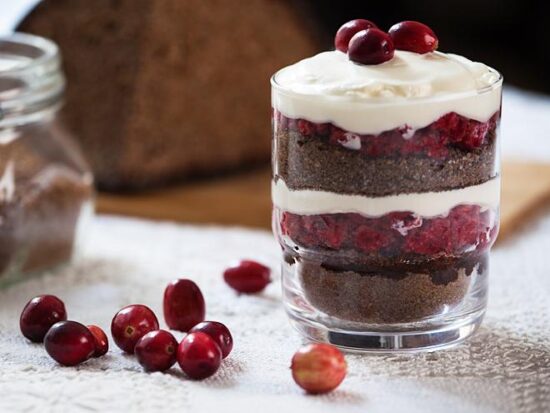
Rupjmaizes Kartojums: Latvia’s Layered Rye Bread Dessert
Anshika Jain - October 23, 2026Rupjmaizes kārtojums is a traditional Latvian dessert that transforms dark rye bread into a layered combination of toasted crumbs, whipped cream, and fruit preserves. Often compared with…
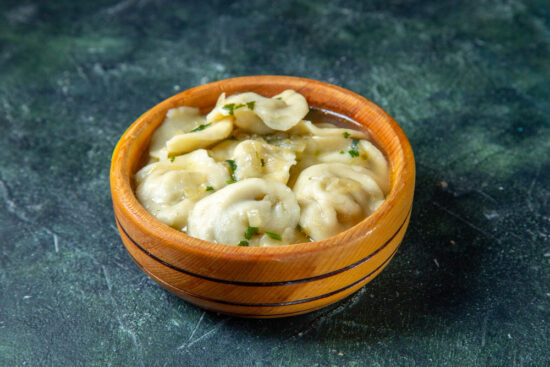
Gamja Ongsimi Small dumplings made primarily from potato
Anshika Jain - October 23, 2026Gamja Ongsimi is particularly associated with Gangwon Province in northeastern South Korea, a region known for its mountainous landscapes and long-standing potato-growing traditions. Potatoes became an important…
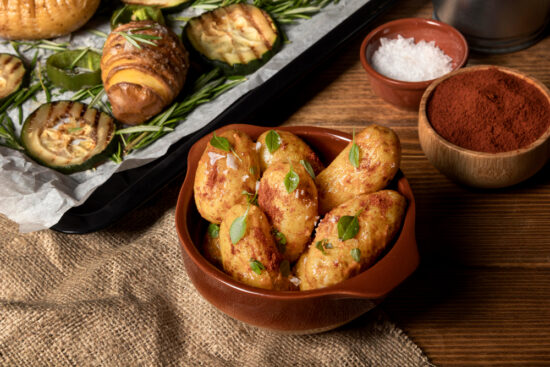
Bharli Karli Bitter gourds stuffed with a spiced mixture
Anshika Jain - October 23, 2026Maharashtrian cuisine is known for its thoughtful use of spices, roasted ingredients, pulses, coconut, and seasonal vegetables. Bharli Karli fits naturally into this culinary tradition, particularly because…
Most from this category
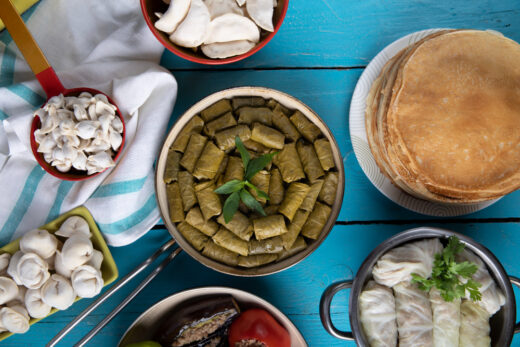
Pathrode: Layered Colocasia Leaves Become a Traditional Steamed Delicacy
Anshika Jain - October 23, 2026
Taikilo Bhaji: Exploring Goa’s Seasonal Wild Greens and Konkani Food Traditions
Anshika Jain - October 23, 2026
Pathrode: Layered Colocasia Leaves Become a Traditional Steamed Delicacy
Anshika Jain - October 23, 2026Taikilo Bhaji: Exploring Goa’s Seasonal Wild Greens and Konkani Food Traditions
Anshika Jain - October 23, 2026Kachnar Kali Curry: Unopened Flower Buds into a Savoury Delicacy
Anshika Jain - October 23, 2026
Rupjmaizes Kartojums: Latvia’s Layered Rye Bread Dessert
October 23, 2026
Gamja Ongsimi Small dumplings made primarily from potato
October 23, 2026

Leave a Comment