

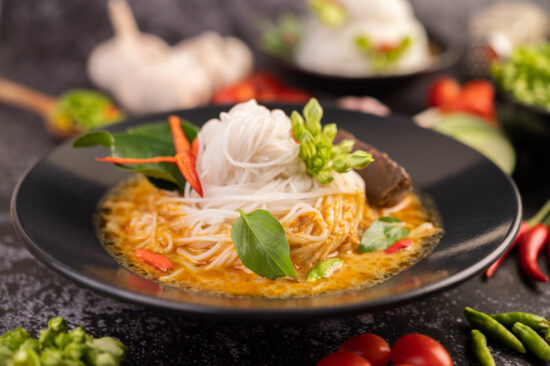
Khao Soi Vegetarian: Thailand’s Creamy Noodle Dish With a Rich Coconut Twist
Anshika Jain - September 21, 2026Thai cuisine is widely recognised for its ability to balance contrasting flavours in a single dish. Sweet, sour, salty, spicy and aromatic elements often come together to…

Kvass: Exploring Eastern Europe’s Traditional Fermented Drink
Anshika Jain - September 21, 2026Across Eastern Europe, some of the most interesting traditional foods and beverages have developed from simple ingredients, practical preparation methods and generations of culinary knowledge. Kvass is…

Swedish Semla: The Cream-Filled Traditional Bun
Anshika Jain - September 18, 2026Swedish semla is a traditional Scandinavian sweet bun known for its soft cardamom-flavoured bread, rich almond filling, and generous layer of whipped cream. Often enjoyed during the…

Qatayef: The Traditional Stuffed Pancake Dessert
Anshika Jain - September 18, 2026Traditional desserts often tell stories about culture, celebrations, family traditions, and the ingredients that shape regional cuisine. Across the Middle East, many sweets are prepared during religious…

Pastel de Nata: Portugal’s Famous Creamy Custard Tart
Anshika Jain - September 18, 2026Every country has traditional foods that reflect its history, culture, and culinary creativity. Some dishes become internationally recognised because of their distinctive flavours, unique preparation methods, and…
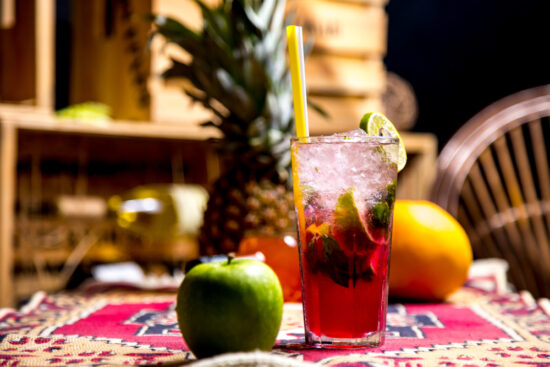
Agua Fresca: Mexico’s Colourful and Refreshing Fruit Beverage
Anshika Jain - September 18, 2026Traditional beverages often reflect the culture, climate, ingredients, and lifestyle of the communities where they originate. Across the world, refreshing drinks have been developed using locally available…
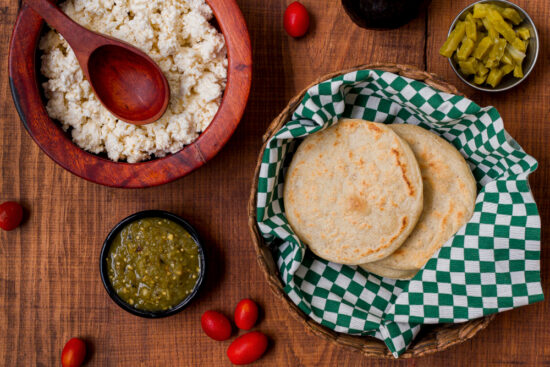
Pupusas: El Salvador’s Famous Stuffed Corn Flatbread
Anshika Jain - September 18, 2026Food is more than a source of nourishment. It represents the history, traditions, cultural identity, and everyday life of communities around the world. Many traditional dishes have…
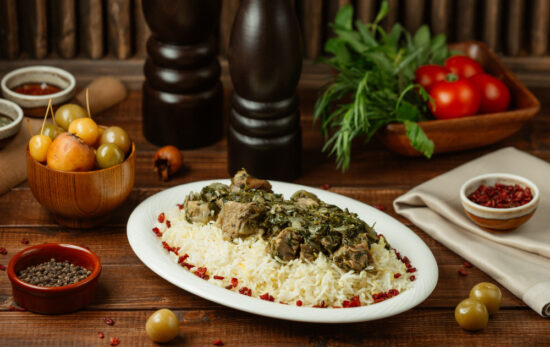
Mujadara: The Middle Eastern Lentil and Rice Comfort Food
Anshika Jain - September 17, 2026Food has a remarkable ability to communicate the history, traditions, and everyday lifestyles of a community. Some dishes become popular not because they use expensive ingredients or…

Halo-Halo: Exploring the Colourful Filipino Dessert
Anshika Jain - September 17, 2026Desserts often reflect the creativity, traditions, and cultural identity of the communities that prepare them. In the Philippines, few desserts express these qualities as vividly as halo-halo,…
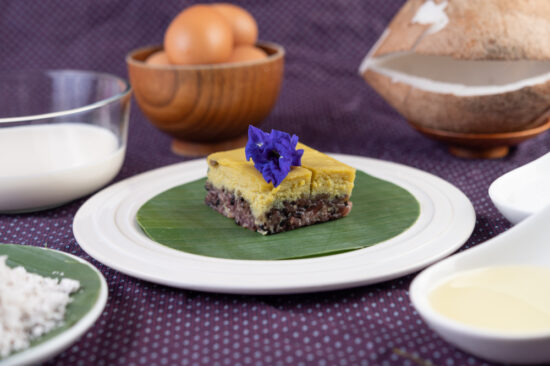
Bibingka: Discovering the Traditional Filipino Rice Cake
Anshika Jain - September 17, 2026Food is often more than a source of nourishment. It reflects a region’s history, cultural traditions, religious practices, family relationships, and connection with local ingredients. In the…
