

Chhena Poda: Odisha’s Caramelized Cheese Dessert

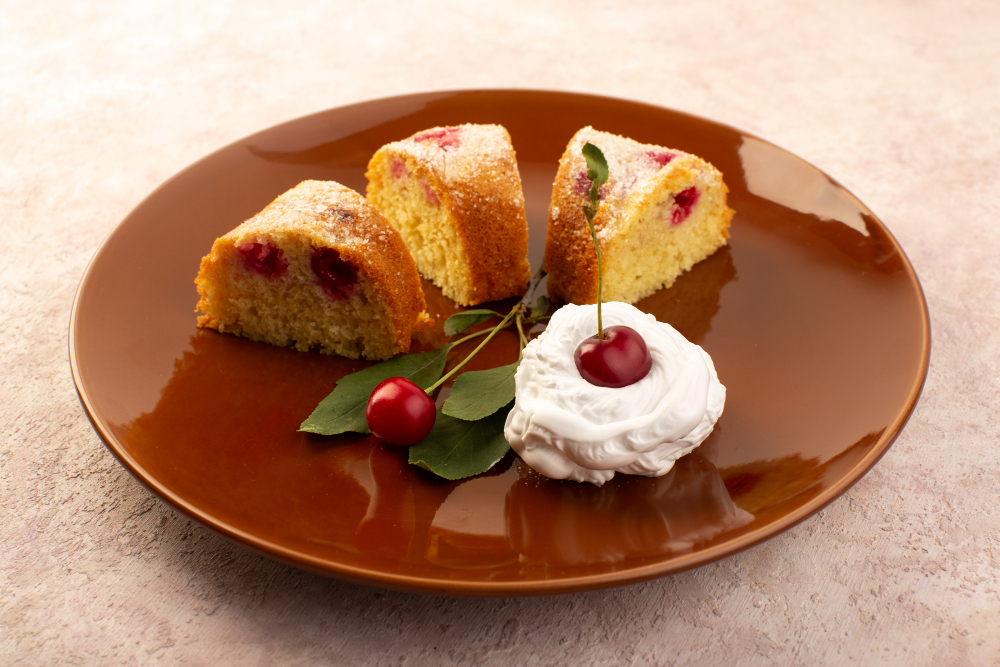
India’s regional dessert traditions are remarkably diverse, with each state offering sweets shaped by local ingredients, cooking methods, festivals, and cultural history. Among Odisha’s most distinctive desserts is Chhena Poda, a caramelized cheese cake with a smoky aroma, browned crust, soft interior, and gently sweet flavour. Its name translates approximately to “burnt cheese,” reflecting the traditional method in which fresh cheese is baked until the surface and edges become deeply caramelized.
Chhena Poda is particularly interesting because its character comes from a cooking technique that might initially appear unusual. Fresh chhena, a soft Indian cheese, is combined with sugar and other ingredients before being baked or traditionally cooked until the exterior develops a dark golden-brown crust. The heat caramelizes the sugar and browns the cheese, producing flavours that are deeper and more complex than those of many conventional Indian sweets.
Unlike syrup-heavy desserts such as gulab jamun or jalebi, Chhena Poda does not depend on soaking. Its appeal comes from the contrast between the caramelized exterior and the soft, moist centre. Cardamom, cashews, raisins, or other ingredients may contribute additional flavour and texture, but the identity of the dessert remains closely connected to chhena and caramelization.
Today, Chhena Poda is closely associated with Odisha and has become one of the state’s best-known traditional sweets. Its story is also a fascinating example of how an accidental or practical culinary idea can develop into a regional food tradition that continues across generations.
What Is Chhena Poda?
Chhena Poda is a traditional Odia dessert made primarily from chhena, a fresh cheese produced by curdling milk. The cheese is mixed with sugar and commonly flavoured with cardamom. Depending on the recipe, ingredients such as semolina, cashews, raisins, or other additions may be incorporated to provide structure, aroma, and texture.
The prepared mixture is placed in a baking vessel and cooked until the top becomes deeply browned. Traditionally, the dessert could be prepared using a leaf-lined vessel and heat from above and below, creating the characteristic caramelized surface.
The finished sweet resembles a dense cake, but its texture is different from that of a conventional flour-based cake. The interior is soft, slightly grainy, and rich, while the outer portion is darker, firmer, and strongly caramelized. This contrast is central to Chhena Poda’s appeal. The darker crust provides roasted and caramelized notes, while the interior retains the delicate dairy character of fresh chhena.
The Meaning Behind the Name
The name Chhena Poda provides a direct clue to the dessert’s identity. “Chhena” refers to the fresh cheese used as its primary ingredient, while “poda” is associated with burning or baking.
The name therefore reflects the cooking process rather than simply describing the dessert’s sweetness. The cheese mixture is deliberately exposed to enough heat to develop a browned and caramelized exterior.
This naming tradition is common in Indian regional cuisine, where the name of a dish often communicates its principal ingredient, preparation method, texture, or cultural association. In the case of Chhena Poda, the name captures one of its most distinctive characteristics: the deeply browned surface created during cooking.
The Origins of Chhena Poda
Chhena Poda is strongly associated with the town of Nayagarh in Odisha, and its history is commonly connected with the early twentieth century. The popular origin story describes a sweet maker named Sudarshan Sahu, who is said to have discovered the dessert after leaving a mixture of chhena, sugar, and other ingredients near the residual heat of a traditional oven.
According to the widely repeated account, the mixture developed a browned surface and unexpectedly appealing flavour when it was cooked for an extended period. What began as an experiment or accidental preparation eventually became a recognised dessert. While historical accounts of culinary origins can vary and may be shaped by oral tradition, the Nayagarh connection remains an important part of Chhena Poda’s cultural story.
The dessert’s development also illustrates an important feature of traditional cooking: innovation often emerges from practical experimentation. Cooks have historically discovered new dishes by changing cooking times, temperatures, ingredients, and methods. Chhena Poda is an especially memorable example because the characteristic “burnt” surface that might ordinarily be considered a mistake became the defining feature of the dessert.
The Importance of Chhena
Chhena is the foundation of Chhena Poda and gives the dessert its distinctive identity. It is a fresh, unaged cheese commonly prepared by curdling milk with an acidic ingredient and separating the resulting curds from the whey. Unlike aged cheeses, chhena has a mild and fresh dairy flavour. Its soft texture makes it suitable for a variety of Indian sweets.
Chhena is also an important ingredient in several eastern Indian desserts. Rasgulla and sandesh, for example, demonstrate different ways in which fresh cheese can be transformed into sweets.
Chhena Poda takes the ingredient in a different direction. Instead of shaping the cheese into small pieces or soaking it in syrup, the cheese is combined with sugar and baked until its surface caramelizes. This treatment gives chhena a deeper flavour and creates a dessert that is simultaneously familiar and distinctive.
How Chhena Poda Is Traditionally Prepared
The preparation of Chhena Poda begins with fresh chhena. The cheese is kneaded or mixed to achieve a suitable consistency, after which sugar is incorporated. Depending on the recipe, semolina may be added to provide structure, while cardamom contributes aroma. Nuts and dried fruits such as cashews and raisins can also be included.
The mixture is then transferred to a greased or traditionally prepared cooking vessel. In traditional methods, the vessel may be lined with leaves that can contribute subtle aromas while also helping prevent the mixture from sticking. The dessert is then exposed to heat for an extended period. Unlike a quick frying process, Chhena Poda depends on gradual cooking that allows the interior to set while the surface develops its characteristic dark crust.
The finished dessert is removed once the exterior has become sufficiently caramelized and the interior has reached the desired consistency. It is then allowed to cool before being cut into portions. The process may appear straightforward, but achieving the correct balance between caramelization and moisture requires careful control of heat and cooking time.
The Science of Caramelization
One of the most fascinating aspects of Chhena Poda is the transformation that takes place during cooking. Sugar undergoes caramelization when exposed to sufficiently high temperatures, producing darker colour and a more complex flavour profile. Instead of tasting simply sweet, caramelized sugar can develop notes reminiscent of toasted sugar, nuts, butter, and roasted flavours.
At the same time, proteins and other components in the dairy mixture participate in browning reactions that further contribute to the dessert’s colour and aroma. These changes explain why the surface of Chhena Poda tastes dramatically different from the uncooked mixture.
The cooking process therefore does more than simply heat the ingredients. It transforms their flavour and texture. The dark crust is not an accidental imperfection in the finished dessert. It is the result that gives Chhena Poda much of its identity.
What Does Chhena Poda Taste Like?
Chhena Poda has a flavour profile that is richer and more roasted than many fresh-cheese-based Indian sweets. The caramelized exterior provides a slightly smoky, toasted, and deeply sweet character. The interior is softer and more delicate, retaining the mild flavour of fresh chhena.
Cardamom can add warmth and fragrance, while cashews introduce crunch and raisins can provide small bursts of sweetness. The dessert is usually sweet without relying on a liquid sugar syrup. This makes its texture fundamentally different from desserts in which sweetness is absorbed after frying.
A well-prepared Chhena Poda offers several sensations in a single bite. The crust may be firmer and caramelized, while the centre remains soft and moist. This contrast between exterior and interior is one of the reasons the dessert is so distinctive.
Chhena Poda and Odisha’s Food Culture
Odisha has a rich culinary heritage that includes rice-based dishes, lentil preparations, vegetables, seafood, temple foods, snacks, and an extensive collection of sweets.
Food in Odisha is also closely connected with religious and cultural traditions. The Jagannath Temple in Puri has played an important role in the region’s food history, and the broader tradition of Mahaprasad reflects the importance of cooking and offering food within religious life.
Chhena Poda belongs to the wider landscape of Odia sweets but has developed an identity of its own. It is not simply a ceremonial food. It is also associated with everyday enjoyment, family occasions, travel, celebrations, and local food culture. Its popularity demonstrates how regional desserts can become cultural symbols even when they begin as relatively simple household or local preparations.
Chhena Poda and the Town of Nayagarh
Nayagarh holds a particularly important place in the story of Chhena Poda. The dessert’s commonly told origin story links its discovery to the area, and the sweet remains closely associated with the region. Over time, Chhena Poda spread beyond its original local context and became popular throughout Odisha.
Regional foods often follow this kind of path. A dish begins within a particular community, gains recognition through local markets and festivals, and eventually becomes associated with an entire state. Chhena Poda’s connection with Nayagarh therefore forms an important part of its identity. The dessert represents not only Odisha’s broader cuisine but also the local culinary history from which it emerged.
Chhena Poda Compared With Other Chhena Sweets
Chhena Poda shares its main ingredient with several famous eastern Indian sweets, but its preparation gives it a completely different character.
Rasgulla is made from chhena shaped into balls and cooked in sugar syrup. Sandesh is generally prepared by shaping or moulding sweetened chhena into delicate portions. Chhena Poda, by contrast, combines the cheese with sugar and other ingredients before baking it into a larger cake-like preparation.
The difference in cooking technique creates a difference in flavour. Rasgulla is soft and syrupy, while sandesh is generally delicate and dairy-forward. Chhena Poda is denser, more caramelized, and more intensely roasted. These variations demonstrate how one fundamental ingredient can support many different culinary traditions.
The Role of Texture in Chhena Poda
Texture is essential to the experience of Chhena Poda. The dessert should not be completely uniform from edge to centre. The caramelized crust provides firmness and a roasted quality, while the inside remains tender. This contrast gives the dessert a satisfying bite and prevents its dairy-rich character from becoming monotonous.
The consistency can vary depending on the amount of moisture in the chhena, the addition of semolina, the quantity of sugar, and the cooking method. Traditional preparation therefore depends not only on ingredients but also on the cook’s ability to judge when the dessert has reached the appropriate stage.
This emphasis on texture is common throughout Indian sweets. From crisp jalebi to soft rasmalai and chewy peda, texture plays a major role in defining how a sweet is experienced. Chhena Poda’s particular contribution is the combination of caramelized firmness and soft dairy richness.
Chhena Poda in Festivals and Celebrations
Traditional Indian sweets frequently become part of celebrations, family gatherings, religious occasions, and festivals. Their importance is not limited to flavour because they can represent hospitality and cultural continuity.
Chhena Poda can be served during gatherings and celebrations, where its distinctive appearance and flavour make it an appealing addition to a dessert table. It is also associated with the everyday culture of Odisha. Local sweet shops and food establishments have helped make the dessert accessible beyond home kitchens.
The sweet’s ability to move comfortably between everyday consumption and special occasions has contributed to its longevity. A dessert does not always need to be reserved for a particular festival to become culturally important. Sometimes its significance comes from its repeated presence in ordinary life.
The Traditional Use of Leaves
One distinctive aspect of traditional Chhena Poda preparation is the use of leaves to line the cooking vessel in some methods.
The leaves can help prevent the mixture from sticking while also contributing subtle aromatic qualities during cooking. They connect the preparation with a broader Indian culinary tradition in which leaves are used as natural cooking surfaces, serving materials, and flavouring elements.
Leaf-based cooking also reflects traditional approaches to food preparation that relied on locally available natural materials. Modern kitchens may use metal baking trays, parchment, or other convenient alternatives. But the traditional leaf-lined method remains an important part of the dessert’s culinary identity.
Chhena Poda in Modern Food Culture
Chhena Poda has moved well beyond its regional origins and is increasingly recognised by people exploring Indian regional cuisine. Social media, food tourism, cooking websites, and interest in regional Indian foods have made it easier for traditional desserts to reach new audiences.
Modern versions may be prepared in conventional ovens and presented in more contemporary styles. Some cooks experiment with ingredients, portion sizes, or garnishes while preserving the essential characteristics of the dessert.
This kind of adaptation demonstrates how culinary traditions can remain relevant while changing with technology and consumer preferences. The core identity of Chhena Poda remains tied to fresh cheese, sweetness, and caramelization. Modern presentation does not necessarily remove its traditional character.
Why Chhena Poda Is Different From a Conventional Cheesecake
The appearance of Chhena Poda can sometimes lead people unfamiliar with it to compare it with cheesecake. However, the two desserts have significantly different culinary histories and preparation methods.
Western-style cheesecake generally relies on cream cheese or other soft cheese combined with eggs, sugar, and a crust or base in many versions. Chhena Poda uses fresh Indian chhena and develops its characteristic flavour through direct caramelization of the cheese mixture.
The texture is also different. Chhena Poda is typically denser and more grainy, reflecting the structure of fresh chhena. The comparison can be useful for introducing the dessert to new audiences. But Chhena Poda should be understood on its own terms as a traditional Odia sweet with a distinctive history and technique.
Preserving the Tradition of Chhena Poda
Traditional foods remain alive when they continue to be prepared, shared, and remembered. Chhena Poda has already achieved considerable recognition within Odisha. But preserving its culinary identity requires attention to the traditional techniques and cultural stories surrounding it.
Documenting regional recipes, supporting local sweet makers, encouraging culinary education, and introducing younger generations to traditional foods can help maintain such heritage.
At the same time, culinary traditions naturally change. New preparation methods and presentations can coexist with older techniques as long as the essential identity of the food remains understood. For Chhena Poda, that identity is closely connected with chhena, caramelized sugar, slow cooking, and its characteristic browned exterior.
Why Chhena Poda Deserves Wider Recognition
Chhena Poda represents many of the qualities that make regional Indian cuisine so compelling. It uses a familiar ingredient in an unusual way, depends on a distinctive cooking process, and has a strong connection to a particular region.
Its flavour also differs from the sweet, syrup-heavy profile associated with many popular Indian desserts. The roasted and caramelized character gives it a deeper taste that appeals to people interested in desserts with contrasting textures and flavours.
More importantly, Chhena Poda demonstrates that India’s culinary heritage cannot be understood through a small collection of nationally famous dishes. Every state and region contains foods with their own histories and cultural meanings. Exploring desserts such as Chhena Poda allows food enthusiasts to discover these less familiar dimensions of Indian cuisine.
The Broader Story of Regional Indian Sweets
Indian sweets reflect centuries of experimentation with milk, grains, pulses, sugar, jaggery, fruits, nuts, spices, and cooking techniques. Regional differences have developed because communities adapted ingredients to local agriculture, climate, cultural practices, religious traditions, and historical influences.
Chhena Poda is a particularly interesting example because its identity comes from transforming a fresh cheese through heat. Instead of hiding the effects of cooking, the dessert makes browning and caramelization central to its character.
This illustrates a broader truth about traditional food: culinary innovation does not always require complicated technology. Sometimes a new dish emerges from allowing familiar ingredients to undergo a different cooking process.
Conclusion
Chhena Poda is one of Odisha’s most distinctive traditional desserts, celebrated for its caramelized exterior, soft cheese-based centre, and rich roasted flavour. Made primarily from fresh chhena and sugar, the dessert demonstrates how a small collection of familiar ingredients can become extraordinary through careful cooking.
Its connection with Nayagarh and its widely told origin story add a fascinating historical dimension to the dessert. Whether the exact details of its discovery are preserved through oral tradition or documented history. The story reflects the experimental nature of traditional cooking and the way unexpected results can become lasting culinary traditions.
The defining feature of Chhena Poda is its caramelization. Heat transforms the sugar and dairy components, producing a dark, aromatic crust that contrasts beautifully with the soft interior. Cardamom, cashews, raisins, and other ingredients can add further layers of flavour without taking attention away from the central combination of fresh cheese and caramelized sweetness.
Today, Chhena Poda represents more than a regional dessert. It is an expression of Odisha’s culinary identity and an example of how traditional foods can move from local kitchens to wider recognition while retaining their distinctive character.
For anyone interested in discovering India’s lesser-known regional foods, Chhena Poda offers a particularly memorable introduction to Odia dessert culture. Its unusual preparation, caramelized crust, soft centre, and connection to regional history make it a dessert worth exploring. More than simply a sweet, Chhena Poda is a reminder that some of India’s most remarkable culinary traditions are found in the stories, techniques, and flavours that developed quietly within regional kitchens and continue to be passed from one generation to the next.
Online Internship with Certificate
You may be interested
Kachnar Kali: The Indian Flower Bud That Becomes a Vegetable
Anshika Jain - October 15, 2026In many parts of the world, flowers are admired for their beauty, fragrance and ornamental value. In India, however, certain flowers have another purpose: they become ingredients…
Omija-cha: Korea’s Five-Flavour Tea Made From a Single Berry
Anshika Jain - October 15, 2026Imagine a ruby-red drink that tastes sweet, sour, bitter, salty and pungent, all from a single fruit. This unusual combination is the defining characteristic of Omija-cha, a…
Bir Pletok: Indonesia’s Alcohol-Free ‘Beer’ Made From Ginger and Spices
Anshika Jain - October 15, 2026The word “beer” usually brings to mind a fermented beverage made from grains, a foamy glass served in a pub, or a drink associated with social gatherings.…
Most from this category
Ragi Ambli: Fermented Millet Drink That Predates Today’s Beverage Trend
Anshika Jain - October 15, 2026
Gudok: Tripura’s Fermented Vegetable Dish That Deserves a Global Food Revival
Anshika Jain - October 15, 2026
Mahua: The Forest Flower That Became a Traditional Food and Beverage Ingredient
Anshika Jain - October 14, 2026Ragi Ambli: Fermented Millet Drink That Predates Today’s Beverage Trend
Anshika Jain - October 15, 2026Gudok: Tripura’s Fermented Vegetable Dish That Deserves a Global Food Revival
Anshika Jain - October 15, 2026
Kachnar Kali: The Indian Flower Bud That Becomes a Vegetable
October 15, 2026

Leave a Comment