

Mahalabia: The Middle Eastern Milk Pudding With a Delicate Floral Flavour

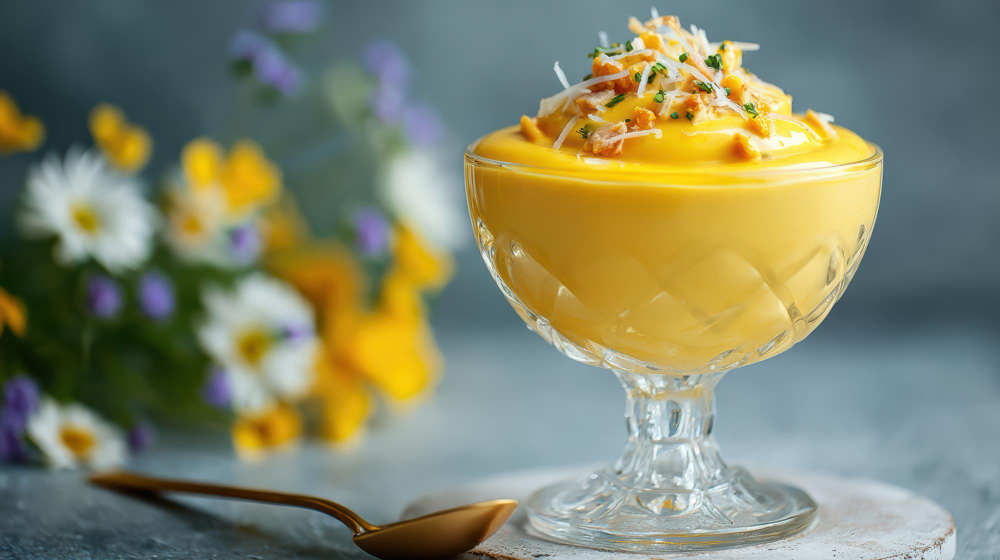
;Mahalabia is a traditional Middle Eastern milk pudding known for its smooth texture, gentle sweetness, and delicate floral aroma. Made primarily with milk, sugar, and a thickening ingredient, this simple dessert has become a familiar part of food traditions across several countries in the Middle East and surrounding regions. Its pale appearance may seem understated, but its flavour can be surprisingly sophisticated, especially when rose water, orange blossom water, pistachios, or other aromatic ingredients are added.
Unlike rich cakes or heavily spiced desserts, Mahalabia is appreciated for its light and creamy character. It demonstrates how a small number of everyday ingredients can be transformed into a dessert with a distinctive cultural identity. The combination of dairy, floral aromas, and delicate toppings creates a dessert that can be served at family meals, celebrations, religious occasions, restaurants, and homes.
The dessert is also interesting because different regions and households prepare it in slightly different ways. Its name may appear in several forms, including Mahalabia, Muhallebi, Malabi, or variations based on local language and pronunciation. Although recipes differ, the central idea remains similar: a creamy milk-based pudding thickened until it develops a soft, spoonable consistency and then flavoured or decorated according to local preferences.
Mahalabia represents an important aspect of Middle Eastern dessert culture: elegance does not always require complicated preparation. Its appeal comes from texture, aroma, freshness, and the careful balance between sweetness and fragrance.
What Is Mahalabia?
Mahalabia is a milk-based pudding traditionally prepared by combining milk with sugar and a starch or another thickening ingredient. The mixture is heated until it thickens, after which flavouring ingredients may be added. Rose water and orange blossom water are particularly associated with the dessert, giving it the floral character that distinguishes it from many other milk puddings.
Once prepared, Mahalabia is generally poured into individual serving dishes or a larger container and allowed to cool. The pudding becomes firmer as it rests, although it normally retains a soft and creamy texture. It can be served chilled or at room temperature depending on the recipe and occasion.
The simplicity of its ingredients makes Mahalabia accessible to home cooks, while its presentation allows it to appear equally appropriate in more elaborate settings. It may be topped with chopped pistachios, almonds, coconut, dried fruit, cinnamon, or additional aromatic ingredients. Some contemporary versions also incorporate fruit, chocolate, coffee, or other flavours.
At its heart, however, Mahalabia remains a dessert centred on milk and fragrance. Its identity is closely connected to the aroma of ingredients such as rose water and orange blossom water rather than to an intense spice profile.
The Historical and Regional Roots of Mahalabia
Mahalabia belongs to a broader family of milk-based desserts that have developed across the Middle East, the Mediterranean, and parts of North Africa. The exact historical development of the dessert is difficult to separate from related puddings because similar preparations have appeared under different names and in different culinary traditions.
The name Mahalabia is closely related to the Arabic name for the dessert, while Muhallebi is commonly associated with Turkish culinary traditions. Related versions can also be found in other countries and communities, demonstrating how food traditions move across geographical and cultural boundaries.
One commonly repeated historical account connects the dessert’s name with an early Islamic-era figure named al-Muhallab ibn Abi Sufra. Stories surrounding the development of the dish suggest that it was prepared in his honour or associated with his household. However, historical food traditions often contain multiple versions of origin stories, making it difficult to identify a single definitive moment when the modern dessert was created.
What is clearer is that milk-based puddings have remained part of regional food traditions for centuries. The availability of milk, starches, sugar, aromatic waters, and nuts provided cooks with ingredients that could be combined into desserts suited to different occasions.
Mahalabia therefore should not be understood as belonging exclusively to one modern country. Its history reflects the interconnected culinary traditions of the wider Middle Eastern and Mediterranean world.
The Importance of Milk in the Dessert
Milk forms the foundation of Mahalabia and gives the pudding its characteristic creamy body. Unlike desserts that depend on butter, cream, Mahalabia can achieve a smooth consistency through the combination of milk and a thickening agent.
The milk also provides a neutral base for aromatic ingredients. Rose water and orange blossom water can be quite distinctive on their own, but their fragrance becomes softer and more integrated when combined with creamy milk.
The choice of milk can influence the final texture and richness. Traditional home preparations may use ordinary dairy milk, while contemporary recipes sometimes experiment with different types of milk. Plant-based alternatives can also be used in modern versions, although the flavour and consistency may differ from traditional preparations.
This adaptability has helped Mahalabia remain relevant in changing food cultures. The essential concept of a lightly sweetened, fragrant milk pudding can be maintained even when cooks adapt the ingredients to modern dietary preferences.
The Delicate Floral Flavour
The defining characteristic of many Mahalabia preparations is floral fragrance. Rose water and orange blossom water are two of the most commonly associated flavourings.
Rose water provides a soft floral aroma that can immediately change the character of a simple milk pudding. When used carefully, it does not necessarily make the dessert taste strongly of roses. Instead, it adds a subtle fragrance that becomes noticeable as the pudding is eaten.
Orange blossom water offers a different aromatic profile. It has a citrus-floral character that can make the pudding feel bright and refreshing. Some recipes use one of these ingredients, while others combine them in carefully balanced quantities.
The use of floral waters reflects a wider tradition in Middle Eastern cuisine, where flowers and aromatic plants have long been incorporated into sweets, drinks, pastries, and other preparations. These ingredients are not simply decorative additions. They contribute to the sensory identity of the dish.
The floral character of Mahalabia also demonstrates the importance of restraint. Too much rose water or orange blossom water can dominate the dessert, while a small amount can create a refined aroma that complements the creamy base.
Texture Is Central to Mahalabia
Although flavour is important, texture is one of the defining qualities of a successful Mahalabia. The pudding should generally be smooth, soft, and creamy rather than dense or rubbery.
Achieving this texture depends on how the thickening ingredient is incorporated and how the mixture is heated. The goal is to create enough structure for the pudding to hold its shape while remaining delicate enough to yield easily to a spoon.
This soft consistency distinguishes Mahalabia from firmer desserts such as cakes and some custards. It occupies a space between a thickened milk drink and a set pudding, depending on the recipe.
The cooling process also contributes to the final experience. As the pudding rests, its texture becomes more stable. Chilling can make the dessert particularly refreshing, especially in warm climates where cold milk-based sweets are appealing.
Common Ingredients and Toppings
The basic ingredients used in Mahalabia are relatively simple. Milk and sugar form the foundation, while a starch or other thickening agent gives the pudding its body. Floral waters are often used for fragrance, and toppings provide texture and visual contrast.
Pistachios are among the most popular toppings associated with Middle Eastern desserts, and their green colour creates an attractive contrast against the pale pudding. Their slightly salty, nutty character also balances the sweetness.
Almonds can provide a similar contrast, while shredded coconut introduces a different texture and flavour. Some versions use cinnamon, dried fruit, or finely chopped nuts to create additional layers of taste.
The toppings are not necessarily fixed. Mahalabia’s neutral base allows cooks to adapt the presentation according to the occasion, available ingredients, and regional preference.
This flexibility makes the dessert suitable for both everyday meals and festive tables. A simple bowl of Mahalabia can remain understated, while a carefully decorated version can become an elegant centrepiece for a dessert spread.
Mahalabia Across the Middle East and Beyond
One of the most interesting aspects of Mahalabia is the range of names and preparations associated with it. Versions of the dessert appear across countries and communities where culinary traditions have historically interacted.
In Arabic-speaking regions, the dessert is commonly known by names related to Mahalabia or Muhallabia; In Turkey, Muhallebi represents a closely related milk pudding with its own culinary history and variations. In other parts of the region, similar desserts may appear with local adaptations.
The dessert has also travelled beyond its traditional geographical setting. Middle Eastern restaurants, bakeries, food blogs, cooking channels, and international home cooks have introduced it to wider audiences.
This international spread illustrates how traditional foods can become global without losing their essential identity. Cooks may modify the topping or flavouring, but the central combination of creamy milk pudding and aromatic sweetness remains recognisable.
Mahalabia and Middle Eastern Dessert Culture
Middle Eastern dessert traditions are often associated with ingredients such as dates, nuts, sesame, honey, syrup, cheese, and floral waters. Mahalabia occupies a somewhat different position because of its soft, creamy structure and relatively gentle sweetness.
Its simplicity makes it suitable for meals in which a heavy dessert may not be desirable. The chilled texture and floral aroma can provide a refreshing conclusion to a meal, particularly in warm weather.
The dessert can also be connected to hospitality. Food plays an important role in welcoming guests across many Middle Eastern cultures, and desserts often form part of social gatherings and celebrations. A dish such as Mahalabia can be prepared in advance, served individually, and decorated shortly before serving.
Its presentation also reflects a broader appreciation for visual simplicity. The pale pudding provides a blank canvas for colourful nuts, fruit, spices, and edible decorations.
Mahalabia in Family Kitchens
Although traditional desserts can sometimes appear complicated, Mahalabia is relatively approachable for home preparation. Its basic structure does not require elaborate baking equipment or complicated shaping techniques.
This simplicity helps explain why milk puddings remain popular across generations. A family can prepare the dessert using ingredients that are commonly available, while still adjusting the sweetness and fragrance according to personal taste.
Family recipes may also vary significantly. One household might prefer a stronger floral aroma, while another may use more nuts or a lighter level of sweetness. Some cooks may serve it in small glass bowls, while others may prepare a larger dish for sharing.
These variations are part of the cultural life of traditional food. A recipe does not need to remain identical to remain meaningful. Instead, it can evolve as families adapt it to changing tastes while preserving its recognizable character.
Why Mahalabia Feels Different From Western Puddings
Mahalabia may remind some people of familiar Western milk puddings, custards, or panna cotta because of its creamy texture and chilled presentation. However, its flavour profile often makes it distinctly different.
Many Western-style puddings rely on vanilla, chocolate, caramel, or fruit as their primary flavouring. Mahalabia frequently draws its identity from floral waters and Middle Eastern ingredients such as pistachios and almonds.
The comparison also highlights how similar culinary ideas can develop in different cultures. The concept of thickening milk into a soft dessert is not limited to one region. What changes is the combination of ingredients, techniques, aromas, and cultural meanings surrounding the dish.
Mahalabia therefore demonstrates that culinary identity often comes from flavour combinations and traditions rather than from a completely unique cooking method.
Modern Interpretations of Mahalabia
Contemporary chefs and home cooks have increasingly experimented with traditional desserts, and Mahalabia is well suited to creative adaptation. Its mild flavour provides a flexible foundation for new combinations.
Modern versions may incorporate mango, berries, dates, coffee, chocolate, cardamom, saffron, or other ingredients. Some preparations focus on presentation by layering Mahalabia with fruit or crushed biscuits in individual glasses.
Plant-based versions can also be developed using alternatives such as almond, coconut, oat, or other non-dairy beverages. These versions may require adjustments to the thickening method because different liquids behave differently during cooking.
While these adaptations can create interesting desserts, the traditional character of Mahalabia remains important. The floral aroma, creamy texture, and simple presentation continue to define the dessert even as cooks experiment with new interpretations.
The Appeal of Lesser-Known Traditional Desserts
Mahalabia is part of a larger movement in which diners are becoming increasingly interested in regional and lesser-known foods. Global food culture has often focused on a limited selection of famous dishes, while many everyday traditional foods remain unfamiliar outside their places of origin.
Desserts such as Mahalabia demonstrate the diversity that exists within regional cuisines. A country or cultural region rarely has only a handful of representative dishes. Food traditions include everyday meals, festive foods, family recipes, street foods, drinks, breads, sweets, and seasonal preparations.
Learning about Mahalabia therefore provides more than an introduction to a dessert. It opens a window into ingredients, hospitality, culinary history, regional adaptation, and the movement of food traditions across borders.
Why Mahalabia Continues to Be Relevant
Traditional foods survive when they can remain meaningful while adapting to changing lifestyles. Mahalabia has several qualities that support this continuity. It is relatively simple, can be prepared in advance, accommodates different toppings, and works in both casual and formal settings.
Its visual simplicity also fits modern dessert presentation. Individual servings in transparent glasses or small bowls can showcase the contrast between the pale pudding and colourful toppings.
At the same time, its connection to traditional Middle Eastern flavours gives it a strong cultural identity. The combination of milk, floral water, and nuts creates a taste that is recognisable even when the presentation changes.
This balance between tradition and adaptability is one reason Mahalabia remains relevant in contemporary food culture.
Conclusion
Mahalabia is a deceptively simple dessert that captures many important elements of Middle Eastern culinary tradition. Its creamy milk base, gentle sweetness, floral fragrance, and nutty toppings create a dessert that is both delicate and distinctive.
Its history reflects the movement of culinary traditions across the Middle East and neighbouring regions, while its many names and variations demonstrate how recipes evolve as they travel between communities. Rose water and orange blossom water give Mahalabia a particularly recognisable character, transforming a basic milk pudding into a fragrant dessert with a strong regional identity.
Beyond its ingredients, Mahalabia represents the value of simplicity in traditional cooking. It does not depend on complicated decoration or an extensive list of ingredients. Instead, its appeal comes from carefully balanced texture, aroma, sweetness, and presentation.
As global interest in regional foods continues to grow, desserts such as Mahalabia provide an opportunity to discover culinary traditions that may be less internationally familiar but deeply rooted in everyday culture. Whether served in a family kitchen, at a celebration, in a restaurant, or as a modern interpretation, Mahalabia continues to show how a humble milk pudding can become an enduring part of Middle Eastern food heritage.
Online Internship with Certificate
You may be interested
Kachnar Kali: The Indian Flower Bud That Becomes a Vegetable
Anshika Jain - October 15, 2026In many parts of the world, flowers are admired for their beauty, fragrance and ornamental value. In India, however, certain flowers have another purpose: they become ingredients…
Omija-cha: Korea’s Five-Flavour Tea Made From a Single Berry
Anshika Jain - October 15, 2026Imagine a ruby-red drink that tastes sweet, sour, bitter, salty and pungent, all from a single fruit. This unusual combination is the defining characteristic of Omija-cha, a…
Bir Pletok: Indonesia’s Alcohol-Free ‘Beer’ Made From Ginger and Spices
Anshika Jain - October 15, 2026The word “beer” usually brings to mind a fermented beverage made from grains, a foamy glass served in a pub, or a drink associated with social gatherings.…
Most from this category
Ragi Ambli: Fermented Millet Drink That Predates Today’s Beverage Trend
Anshika Jain - October 15, 2026
Gudok: Tripura’s Fermented Vegetable Dish That Deserves a Global Food Revival
Anshika Jain - October 15, 2026
Mahua: The Forest Flower That Became a Traditional Food and Beverage Ingredient
Anshika Jain - October 14, 2026Ragi Ambli: Fermented Millet Drink That Predates Today’s Beverage Trend
Anshika Jain - October 15, 2026Gudok: Tripura’s Fermented Vegetable Dish That Deserves a Global Food Revival
Anshika Jain - October 15, 2026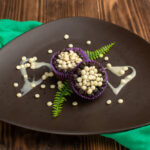
Kachnar Kali: The Indian Flower Bud That Becomes a Vegetable
October 15, 2026

Leave a Comment