Fafda Jalebi


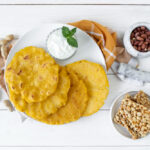
Every year, as we say our goodbyes to Navratri, we welcome the joyous celebration of Dussehra. And with Dussehra comes a delicious treat of about Fafda Jalebi. Starting Dussehra with Fafda Jalebi has been a tradition, and this tradition goes way back. This article discusses the Fafda Jalebi.
Facts:
1. A treat for ending the 9 day long fast
There is a mythological reason behind why we start Dussehra with this. One should break every fast with a dish made of gram flour. And Fafdas being a common gram flour dish, became popular for ending the 9-day-long fast of Navratras. And Jalebis were Lord Rama’s favorite desert.
2. Cure for Migraines
It is true that Jalebi in milk is a sure shot remedy for curing Migraines.
3. Keeps Human body Fit.
Products made out of Gram Flour also known as Besan, are considered helpful in keeping human body fit and healthy, if one consumes occasionally.
4. Jalebi = Zublia
It is also known as Zulbia. Jalebi name was actually from an Arabic word Zulabiya.
5. Too much of anything is dangerous.
Products of Besan may help in keeping the human body fit, but consuming it on a daily basis may result in laziness and fatigue. Always remember, everything is good when you don’t cross limits.
6. A beauty that kills.
Jalebis, are good only when they a desert. Maida is not so good for a human stomach to consume in a larger amount. Consuming too much Maida may cause digestion problems.
7. Energy Supply.
Limited consumption of Jalebis helps in keeping the human body active and gives us the energy to meet the changes in weather/ seasons.
8. Result = Laziness, Reason = Too much oil
Jalebis and Fafdas in too much of oil are always harmful.
9. Blood Sugar Level normalizes
After long 9 days of Navratri Fast, the blood sugar levels in a human body decreases due to less or no consumption of healthy food. Fafdas-Jalebis spike the blood sugar levels in a human body and gives instant energy, after 9 long days of Fast.
10. Variations
There are popular variations of Jalebi which are known as Imarti and Jahangiri, from Urad flour instead of Besan.
ALSO READ: The Sweet Corn
World-class learning for you
– Start learning with Easy Shiksha today and get certified
– Also, Authorized certificates recognized everywhere.
You may be interested
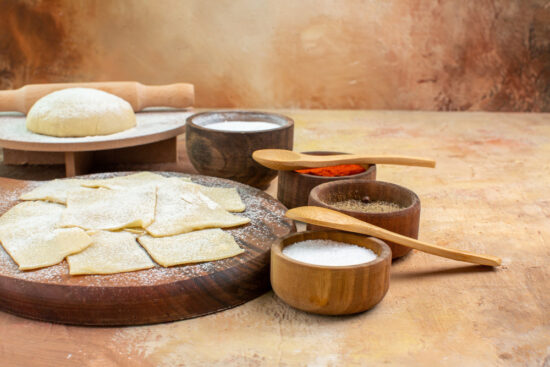
Fara: Traditional Steamed Rice-Flour Dumplings of Chhattisgarh
Anshika Jain - November 13, 2026India’s traditional cuisine is known for transforming simple agricultural ingredients into nutritious, flavourful and culturally meaningful dishes. Across different regions, rice, lentils, seasonal vegetables and locally available…
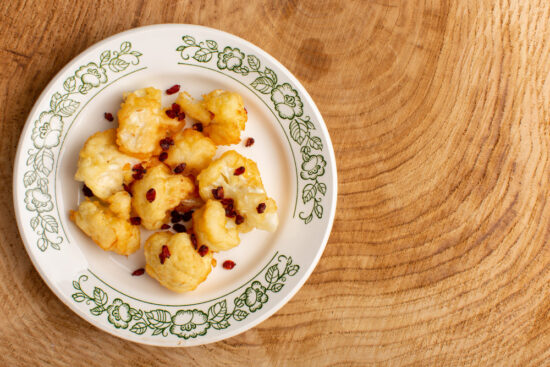
Mocha Ghonto: Bengal’s Banana Blossom Curry with Potatoes and Bengali Spices
Anshika Jain - November 13, 2026Bengali cuisine is celebrated for its remarkable variety of vegetarian preparations, distinctive spice combinations and creative use of seasonal vegetables. Among its traditional dishes, Mocha Ghonto holds…
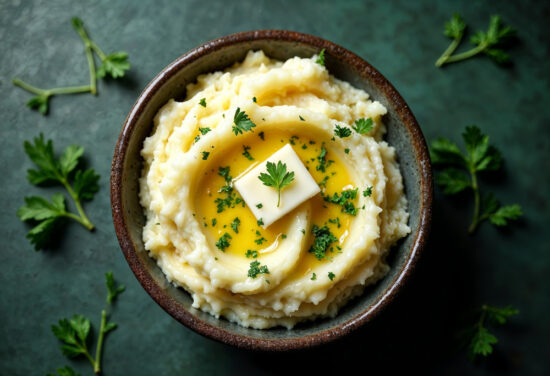
Aloo Pitika: Assam’s Rustic Mashed Potato Dish with Mustard Oil, Onions and Herbs
Anshika Jain - November 13, 2026Indian regional cuisine is filled with traditional dishes that demonstrate how simple ingredients can create distinctive flavours and memorable eating experiences. Among the many vegetarian preparations of…
Most from this category
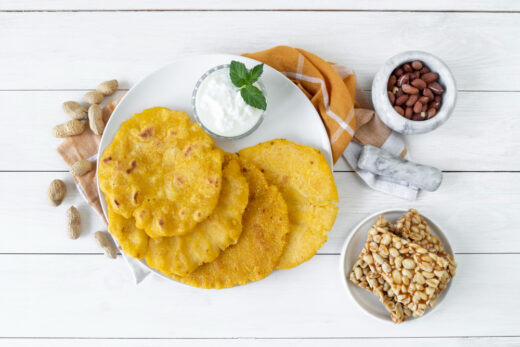
Chakuli Pitha: Odisha’s Traditional Fermented Rice and Black Gram Pancakes
Anshika Jain - November 13, 2026
Papanasi: Romania’s Soft Cheese Doughnuts Served with Sour Cream and Fruit Preserves
Anshika Jain - November 13, 2026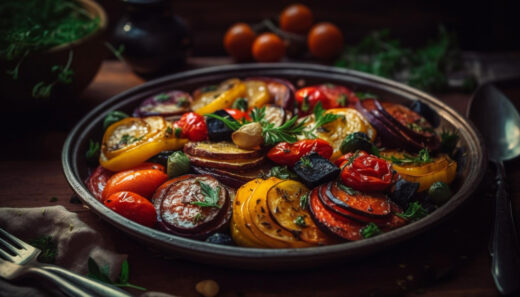
Briam: Greece’s Oven-Roasted Vegetable Dish with Olive Oil, Herbs and Tomatoes
Anshika Jain - November 13, 2026
Bissara: Vegetarian Preparation of Fava Beans, Split Peas, Garlic and Olive Oil
Anshika Jain - November 12, 2026Chakuli Pitha: Odisha’s Traditional Fermented Rice and Black Gram Pancakes
Anshika Jain - November 13, 2026Papanasi: Romania’s Soft Cheese Doughnuts Served with Sour Cream and Fruit Preserves
Anshika Jain - November 13, 2026Briam: Greece’s Oven-Roasted Vegetable Dish with Olive Oil, Herbs and Tomatoes
Anshika Jain - November 13, 2026