

Kakinada Kaja: The Andhra Sweet With Crisp Layers and Sugar Syrup

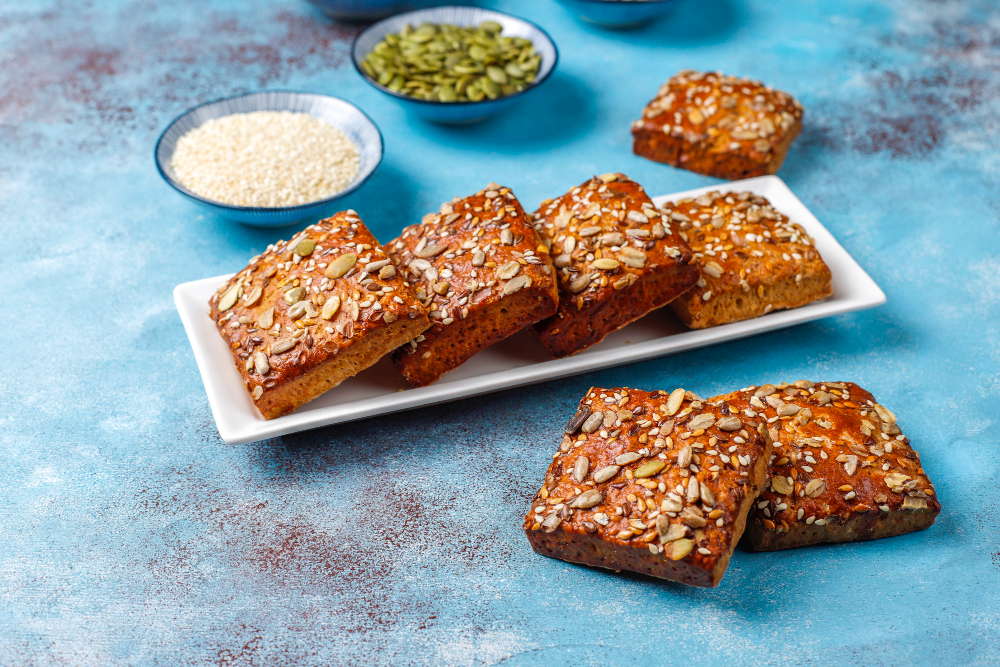
Kakinada Kaja is a traditional sweet associated with Kakinada in Andhra Pradesh and is recognised for its crisp, layered texture and generous coating of sugar syrup. Made from a relatively simple combination of refined flour, sugar, ghee or oil, and water, the sweet demonstrates how traditional Indian confectionery can create a distinctive eating experience through careful preparation rather than an elaborate list of ingredients. Its crisp exterior, flaky layers, and syrup-soaked interior give it a character that separates it from many other Indian sweets.
Andhra Pradesh has a diverse culinary heritage in which sweets hold an important place in festivals, family celebrations, religious occasions, weddings, and everyday hospitality. Kakinada Kaja has become particularly associated with the food identity of the coastal Andhra region and is widely recognised as one of the traditional sweets connected with Kakinada. For visitors, tasting or purchasing Kaja can become part of experiencing the region’s local food culture.
The appeal of Kakinada Kaja comes from contrast. The outer layers can provide a crisp and slightly flaky bite, while the sugar syrup adds sweetness and moisture. When prepared properly, the syrup penetrates the layers without completely destroying their texture. This balance between crispness and softness is one of the qualities that makes Kaja memorable.
Beyond its taste, Kakinada Kaja represents the importance of regional sweets in Indian food culture. Traditional sweets are often connected to specific towns, communities, preparation techniques, and family traditions. Kakinada Kaja is an example of how a relatively simple recipe can become strongly associated with a particular place and continue to attract attention across generations.
What Is Kakinada Kaja?
Kakinada Kaja is a layered Indian sweet traditionally prepared from refined wheat flour and then fried before being immersed or coated in sugar syrup. The dough is shaped and layered in a manner that helps create its characteristic texture. Depending on the preparation, the finished sweet may have a firm, crisp exterior while remaining softer and syrupy inside.
The name Kaja is associated with a broader family of Indian sweets that use layered or folded dough and sugar syrup. However, Kakinada Kaja has developed its own regional identity and is particularly connected with the city of Kakinada in Andhra Pradesh.
The finished sweet generally has a golden or light brown appearance. Its surface may look relatively simple, but cutting or breaking it reveals the layered structure created during preparation. The sugar syrup gives the sweet a glossy appearance and provides much of its sweetness.
Unlike sweets that depend heavily on milk, nuts, or elaborate decoration, Kakinada Kaja demonstrates how flour, fat, and sugar can create a complex combination of texture and flavour. The technique is therefore just as important as the ingredients.
The Connection With Kakinada
Kakinada is a coastal city in Andhra Pradesh with a distinctive food culture shaped by the culinary traditions of the wider coastal Andhra region. The city is known for several local foods, and Kaja has become particularly associated with its identity.
The connection between a sweet and a particular city is an important feature of Indian food culture. Across the country, certain foods become closely linked with their places of origin or popularisation. People may purchase them as souvenirs, serve them to guests, or associate them with memories of travelling to a particular region.
Kakinada Kaja has benefited from this relationship between food and place. The name itself identifies the sweet with Kakinada, making the product more than simply another syrup-based Indian dessert. It becomes part of the culinary image of the city.
Local sweet shops and food businesses have played an important role in maintaining this association. Kaja can be prepared in large quantities, packaged for transport, and carried to other cities, allowing its regional identity to travel far beyond Kakinada.
The Ingredients Behind Kakinada Kaja
The traditional preparation of Kakinada Kaja relies on a small number of ingredients, but each one contributes to the final texture. Refined flour forms the basic structure of the dough. Water is used to bring the dough together, while ghee or another cooking fat can contribute to richness and help create the characteristic layers.
Sugar is essential because the finished sweet is coated or soaked in sugar syrup. The syrup provides sweetness while also affecting the texture of the layers. The concentration and handling of the syrup can influence how much moisture the sweet absorbs.
The simplicity of the ingredient list should not suggest that the preparation is effortless. Traditional Indian sweets often depend on technique, timing, temperature, and consistency. Small changes in dough preparation, frying, layering, or syrup can significantly affect the final result.
This is one reason experienced sweet makers are important in maintaining traditional confectionery. They develop an understanding of the ingredients through repeated preparation and can adjust the process according to weather, dough consistency, frying conditions, and syrup behaviour.
How the Layers Are Created
The layered structure is one of the most recognisable characteristics of Kakinada Kaja. Creating those layers requires the dough to be handled in a way that separates or folds portions of it before frying.
A prepared dough is rolled or shaped, and a fat-based layer or coating can be used during the process to help create separation. The dough is then folded or formed into pieces that retain their layered structure during cooking.
This process is important because the layers determine much of the sweet’s texture. If they are prepared correctly, the finished Kaja can have a crisp and flaky exterior rather than a dense, uniform texture.
Layering is a recurring technique in Indian and global cuisines. Similar principles can be found in several types of breads, pastries, fried sweets, and savoury preparations. What makes Kakinada Kaja distinctive is the way this technique is combined with deep frying and sugar syrup.
The Role of Frying
Frying gives Kakinada Kaja much of its characteristic texture and colour. The shaped dough is cooked in hot oil or another suitable frying medium until it develops a golden appearance and a firm exterior.
Temperature control is important. If the frying medium is too hot, the outside may brown before the inner layers cook properly. If the temperature is too low, the sweet may absorb excessive oil and lose the crispness expected from a well-prepared Kaja.
Traditional sweet makers therefore rely on experience as well as technique. The appearance of the dough, the sound of frying, the cooking time, and the behaviour of the pieces in the oil can all provide information about the cooking process.
Once fried, the Kaja is ready for the next defining stage: the sugar syrup.
The Sugar Syrup Makes the Difference
Sugar syrup transforms the fried layered dough into a recognisable Indian sweet. The syrup is prepared separately and brought to an appropriate consistency before the fried Kaja is introduced to it.
The relationship between syrup and fried dough is delicate. The sweet needs to absorb enough syrup to develop its characteristic sweetness and moisture, but excessive soaking can make the layers too soft.
A well-prepared Kaja can therefore offer several textures in one bite. The outer portion may retain some crispness, while the interior carries the sweetness and moisture of the syrup.
Sugar syrup is a central element in many traditional Indian sweets. Jalebi, gulab jamun, imarti, balushahi, and several regional desserts use syrup in different ways. Kakinada Kaja belongs to this broader culinary tradition while maintaining its own distinctive layered form.
The Texture of a Good Kaja
Texture is arguably the most important part of the Kakinada Kaja experience. The sweet is not simply expected to be sugary. Its appeal comes from the contrast between crispness, flakiness, and syrup-soaked softness.
When a piece is broken, its layers should be visible. When bitten, the outer portion can provide a slight crispness before giving way to a softer interior. The sugar syrup adds a characteristic sweetness that ties the different textures together.
This textural contrast explains why Kaja can be memorable even for people who are already familiar with other Indian sweets. Instead of presenting one uniform texture, it creates a progression within a single bite.
The texture can also change over time. Freshly prepared Kaja may have a stronger crisp character, while a longer period of syrup absorption can produce a softer consistency. Packaging and storage therefore influence the eating experience as well.
Kakinada Kaja in Andhra Food Culture
Sweets are deeply connected with social and cultural life in Andhra Pradesh. They appear during festivals, weddings, religious ceremonies, family gatherings, celebrations, and moments of hospitality.
Kakinada Kaja fits naturally into this tradition. Its ability to be prepared in batches and stored or transported makes it suitable for sharing. Families can purchase boxes of sweets for guests, take them to relatives, or carry them when travelling.
Food also has an important role in representing regional identity. A local sweet can communicate where a person comes from or where they have travelled. In this context, Kakinada Kaja becomes more than a dessert. It becomes a small representation of the culinary traditions associated with Kakinada and coastal Andhra.
Regional sweets also preserve knowledge. Recipes and preparation techniques can pass from one generation to another through households, sweet shops, and professional confectioners.
Kakinada Kaja as a Travel Food
Traditional regional foods often become part of the travel experience because visitors want to taste something that represents a particular destination. Kakinada Kaja fits naturally into this pattern.
Travellers visiting Kakinada may encounter Kaja in local sweet shops and food establishments. Its relatively sturdy structure also makes it suitable for carrying home compared with desserts that require immediate consumption.
This makes the sweet particularly interesting as a culinary souvenir. A box of Kaja can travel from the coastal Andhra region to another city while still retaining its connection with its place of origin.
Food souvenirs have a special role in Indian travel culture. They allow people to bring back not only an edible product but also a memory of a place, journey, family visit, or celebration.
How Kakinada Kaja Differs From Other Indian Sweets
India has an enormous variety of syrup-based and fried sweets, but Kakinada Kaja has a particular combination of characteristics. Its layered dough distinguishes it from smooth milk sweets, while its syrup coating connects it with other traditional fried desserts.
Balushahi, for example, also uses fried dough and sugar syrup but has a different shape and texture. Jalebi is formed from a fermented or batter-like mixture and fried into spiral shapes before being soaked in syrup. Gulab jamun is made from a milk-solid-based dough and has a soft, spongy texture.
Kaja occupies a different position within this group because of its layered pastry-like structure. Its preparation demonstrates how flour-based dough can be transformed through folding, frying, and syrup treatment.
These comparisons also highlight the diversity of Indian confectionery. Even when several sweets share ingredients such as flour, sugar, and oil, different techniques can create completely different textures and identities.
Traditional Preparation and Modern Sweet Shops
The production of Kakinada Kaja has traditionally depended on skilled preparation, but modern sweet shops have made it possible to produce the dessert on a much larger scale.
Commercial production requires consistency. Sweet makers need to maintain similar dough thickness, layer formation, frying conditions, syrup concentration, and portion size across large batches.
At the same time, traditional expectations remain important. Customers who associate Kaja with its regional identity often expect a familiar texture and flavour. Modern production therefore has to balance efficiency with the qualities that make the sweet recognisable.
Packaging has also helped regional sweets reach wider markets. Improvements in food packaging and transportation allow traditional products to be sold beyond their original locations, introducing them to consumers who may never have visited Kakinada.
The Cultural Value of Regional Indian Sweets
Kakinada Kaja is an example of why regional sweets deserve greater attention in discussions of Indian cuisine. Internationally recognised Indian desserts represent only a small part of the country’s enormous confectionery tradition.
Every region has sweets shaped by local ingredients, techniques, celebrations, and historical influences. Some are famous across India, while others remain strongly associated with particular towns or communities.
Exploring these lesser-known foods provides a more complete understanding of Indian culinary heritage. It shows that food culture is not created only by nationally famous dishes. It is also preserved through local markets, family kitchens, traditional sweet shops, festivals, and everyday eating habits.
Kakinada Kaja demonstrates how a regional product can develop a strong identity while remaining relatively simple in composition.
Preserving the Tradition of Kakinada Kaja
Traditional sweets survive when knowledge about their preparation continues to be passed from one generation to the next. For Kakinada Kaja, this involves maintaining an understanding of dough preparation, layering, frying, syrup consistency, and storage.
Documentation can also play a role in preservation. Food writing, regional cookbooks, culinary research, digital archives, and local food storytelling can help record traditions that might otherwise become less visible.
However, preservation does not necessarily mean keeping a food completely unchanged. Traditional foods can adapt to new markets, packaging methods, production systems, and consumer preferences while retaining their central characteristics.
The continued popularity of Kakinada Kaja demonstrates how regional food traditions can remain relevant in a changing culinary environment.
Why Kakinada Kaja Remains Memorable
The lasting appeal of Kakinada Kaja comes from its combination of simplicity and technique. Its ingredients are familiar, but the preparation creates a texture that is more complex than the ingredient list might suggest.
The crisp layers provide the first impression, while the sugar syrup adds sweetness and moisture. The association with Kakinada gives the dessert a strong regional identity, and its presence in sweet shops and celebrations keeps it connected to everyday food culture.
For people discovering the sweet for the first time, Kaja can also provide a reminder that Indian desserts extend far beyond the most internationally familiar names. Regional sweets often carry stories about places, communities, celebrations, and culinary skills.
Kakinada Kaja is therefore valuable not only as a dessert but also as a representation of Andhra Pradesh’s diverse food heritage.
Conclusion
Kakinada Kaja is a distinctive Andhra sweet that combines crisp layers, fried dough, and sugar syrup to create a memorable contrast of textures. Closely associated with Kakinada, the sweet has become an important part of the regional food identity of coastal Andhra and continues to appear in sweet shops, celebrations, family gatherings, and travel experiences.
Its preparation demonstrates the importance of technique in traditional Indian confectionery. Flour, fat, sugar, and water may appear simple, but careful layering, frying, and syrup preparation transform these ingredients into a dessert with a complex texture and recognisable character.
The cultural significance of Kakinada Kaja extends beyond its flavour. Like many regional Indian sweets, it connects food with geography, hospitality, celebrations, memories, and traditional knowledge. Its association with Kakinada allows the sweet to function as both a dessert and a culinary symbol of place.
As interest in lesser-known regional foods continues to grow, Kakinada Kaja deserves attention as an example of the richness of Andhra Pradesh’s culinary heritage. Its crisp layers and syrup-soaked sweetness offer a distinctive experience, while its history and regional identity demonstrate how traditional foods can preserve the character of a place through something as simple and familiar as a sweet.
Online Internship with Certificate
You may be interested
Kachnar Kali: The Indian Flower Bud That Becomes a Vegetable
Anshika Jain - October 15, 2026In many parts of the world, flowers are admired for their beauty, fragrance and ornamental value. In India, however, certain flowers have another purpose: they become ingredients…
Omija-cha: Korea’s Five-Flavour Tea Made From a Single Berry
Anshika Jain - October 15, 2026Imagine a ruby-red drink that tastes sweet, sour, bitter, salty and pungent, all from a single fruit. This unusual combination is the defining characteristic of Omija-cha, a…
Bir Pletok: Indonesia’s Alcohol-Free ‘Beer’ Made From Ginger and Spices
Anshika Jain - October 15, 2026The word “beer” usually brings to mind a fermented beverage made from grains, a foamy glass served in a pub, or a drink associated with social gatherings.…
Most from this category
Ragi Ambli: Fermented Millet Drink That Predates Today’s Beverage Trend
Anshika Jain - October 15, 2026
Gudok: Tripura’s Fermented Vegetable Dish That Deserves a Global Food Revival
Anshika Jain - October 15, 2026
Mahua: The Forest Flower That Became a Traditional Food and Beverage Ingredient
Anshika Jain - October 14, 2026Ragi Ambli: Fermented Millet Drink That Predates Today’s Beverage Trend
Anshika Jain - October 15, 2026Gudok: Tripura’s Fermented Vegetable Dish That Deserves a Global Food Revival
Anshika Jain - October 15, 2026
Kachnar Kali: The Indian Flower Bud That Becomes a Vegetable
October 15, 2026

Leave a Comment