

Briam: Greece’s Rustic Oven-Baked Vegetable Dish

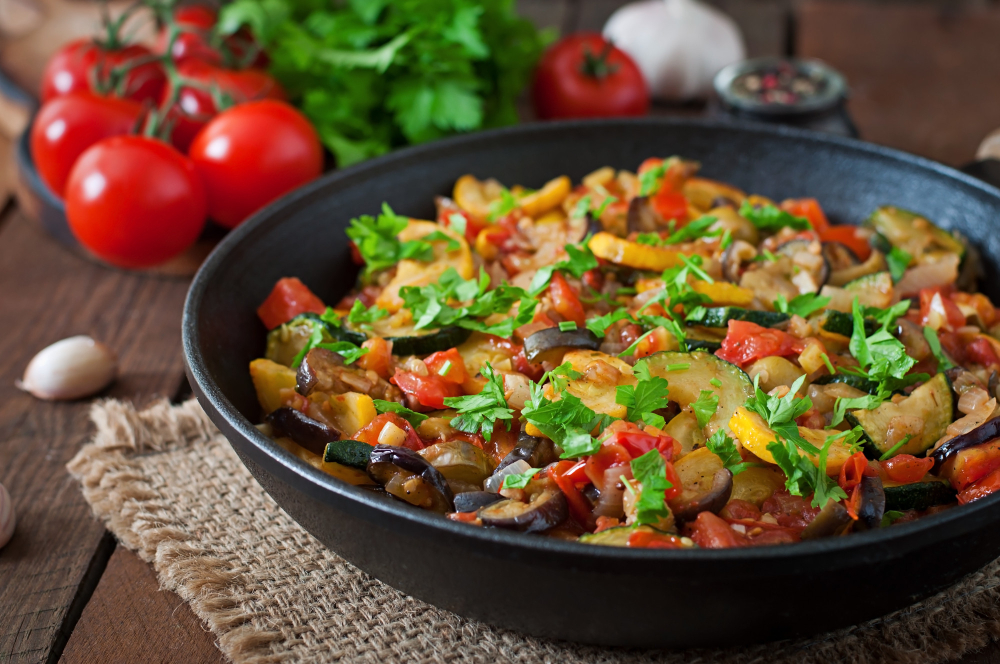
Greek cuisine is widely known for its emphasis on fresh vegetables, olive oil, herbs, grains, legumes, seafood, and simple cooking techniques that allow natural ingredients to remain at the centre of a meal. Among its many traditional vegetable dishes, Briam stands out as a particularly rustic and comforting preparation. Made primarily with seasonal vegetables, tomatoes, olive oil, garlic, onions, and herbs, Briam transforms ordinary garden produce into a deeply flavoured oven-baked dish.
Briam is often compared with Mediterranean vegetable dishes such as ratatouille because both combine vegetables, tomatoes, herbs, and olive oil. However, Briam has its own identity within Greek home cooking. It is generally prepared as a generous vegetable bake in which ingredients slowly soften and concentrate in the oven. Potatoes, zucchini, eggplant, tomatoes, onions, and peppers may come together in different combinations depending on the region, household, and season.
The appeal of Briam lies in its simplicity. There is no need for complicated sauces, elaborate techniques, or expensive ingredients. Instead, the dish relies on good-quality vegetables, generous olive oil, aromatic herbs, and enough cooking time for the ingredients to release their natural juices and develop deeper flavours.
Today, Briam remains an appealing example of vegetable-focused Mediterranean cooking. It can be served as a main dish, a side dish, or part of a larger meal, and its ability to be enjoyed warm or at room temperature makes it especially versatile.
What Is Briam?
Briam, also written as briám, is a traditional Greek oven-baked vegetable dish. It belongs to the broader Greek tradition of ladera, a family of vegetable-based preparations in which olive oil plays a central role in cooking and flavour. The word is associated with dishes in which vegetables are cooked generously with oil, often producing a rich and satisfying result without requiring meat.
The exact composition of Briam is not completely fixed. Potatoes and zucchini are commonly associated with the dish, while eggplant, tomatoes, onions, peppers, garlic, and herbs can be included depending on the recipe. Greek culinary sources also describe variations in which the vegetables are arranged in a baking dish or mixed together before being roasted.
What remains consistent is the cooking philosophy. Vegetables are allowed to cook slowly until they become tender, concentrated, and infused with the flavours of olive oil, tomato, garlic, and herbs. Rather than hiding the vegetables beneath a complicated sauce, Briam allows them to remain visible and recognisable.
This straightforward approach reflects the character of traditional home cooking, where seasonal produce is often more important than elaborate preparation.
The Mediterranean Roots of Briam
Briam reflects several characteristics associated with Greek and broader Mediterranean food traditions. Seasonal vegetables form the foundation of the dish, while olive oil provides both cooking fat and an important source of flavour. Traditional Greek vegetable dishes often developed around ingredients that were readily available in local gardens and markets.
Zucchini, eggplant, tomatoes, potatoes, onions, peppers, and herbs can all be combined into practical meals that make use of abundant seasonal produce. Greek Gastronomy Guide describes Briam, also known as tourlou in some contexts, as a dish found in different parts of Greece with regional variations. It can be prepared in the oven or pan and is traditionally served warm or at room temperature.
This regional flexibility is an important part of understanding Briam. Traditional dishes are not always defined by one rigid recipe. Instead, they can develop differently from one household to another while maintaining the same culinary idea. Briam therefore represents more than a particular combination of vegetables. It represents a style of cooking in which seasonal ingredients are combined and slowly transformed into a substantial meal.
The Vegetables That Give Briam Its Character
The vegetables used in Briam are responsible for much of its colour, texture, and flavour. Potatoes provide a substantial, starchy component that helps turn the vegetable bake into a filling meal. As they roast, they absorb tomato juices and olive oil while developing tender centres and browned edges. Zucchini contributes moisture and a delicate flavour. When cooked slowly, it becomes soft and blends naturally with the tomato and olive oil in the baking dish.
Eggplant adds a richer texture, particularly when it has enough time to soften completely and absorb the flavours surrounding it. Tomatoes play an especially important role because they provide acidity, moisture, sweetness, and colour. Fresh ripe tomatoes can break down during baking and combine with olive oil to create a natural sauce. Some recipes use fresh tomatoes, while others incorporate crushed or canned tomatoes.
Onions contribute sweetness as they soften, while garlic provides a distinctive aromatic quality. Bell peppers may add additional sweetness and colour. Herbs such as oregano, parsley, mint, basil, thyme, or other locally preferred seasonings can give the dish additional layers of flavour. The result is a combination in which individual vegetables remain recognisable while becoming part of a unified dish.
Why Olive Oil Is So Important
Olive oil is one of the defining ingredients of Briam. It is not simply used to prevent vegetables from sticking to the baking dish. It contributes significantly to the texture, aroma, and overall character of the finished meal.
During slow cooking, olive oil interacts with the juices released by tomatoes and vegetables. As the vegetables soften and the liquid gradually reduces, the oil becomes part of the concentrated sauce surrounding the ingredients. Sources describing traditional Briam repeatedly emphasise the importance of generous olive oil in achieving its characteristic texture and flavour.
This approach reflects the broader role of olive oil in Greek cuisine. Rather than being treated only as a finishing ingredient, olive oil can form the foundation of an entire vegetable dish. The quality of the oil can therefore influence the final result. A well-flavoured extra virgin olive oil can contribute fruity, peppery, grassy, or slightly bitter notes that complement the sweetness of roasted vegetables.
The Art of Slow Oven Cooking
The oven is central to the character of Briam. Although variations can be cooked in a pan, the oven allows the vegetables to soften gradually while their flavours become increasingly concentrated. The vegetables may initially contain a considerable amount of water, particularly zucchini, tomatoes, and eggplant. As they cook, this moisture is released into the baking dish. At the same time, exposed surfaces become increasingly browned and caramelised.
Some traditional and contemporary recipes use a covered stage before finishing the dish uncovered. This allows the vegetables to become tender before the remaining moisture is reduced and the exposed surfaces develop deeper colour. Other recipes roast the vegetables uncovered for much of the cooking process.
The objective is not to keep the vegetables crisp. Briam is generally appreciated for its soft, almost melting texture. Potatoes should become tender, eggplant should lose its firmness, zucchini should soften, and tomatoes should break down into the surrounding juices. The contrast between soft interiors and lightly caramelised edges is one of the qualities that makes the dish distinctive.
Preparing the Vegetables for Even Cooking
Although Briam is a relatively simple dish, preparation still matters. Different vegetables have different cooking times, so cutting them into reasonably consistent pieces can help them cook more evenly. Potatoes are often cut into slices, wedges, or substantial pieces, while zucchini and eggplant may be sliced into rounds or chunks. Onions can be cut into wedges or thick slices, and tomatoes can be sliced, chopped, or grated depending on the recipe.
Uniformity does not need to be perfect. Briam is fundamentally rustic rather than highly formal. The goal is simply to prevent some pieces from becoming completely soft while others remain undercooked.
The vegetables are usually seasoned before or during baking. Garlic, oregano, salt, pepper, and fresh herbs can be distributed among the vegetables, allowing their flavours to spread throughout the dish as it cooks.
Briam and the Idea of Seasonal Cooking
One of the most appealing aspects of Briam is its connection to seasonal produce. The dish is particularly associated with summer vegetables, when tomatoes, zucchini, eggplant, and peppers are readily available. Contemporary Greek recipes describe Briam as a classic summer vegetable dish built around these ingredients.
Seasonal cooking can make a simple dish taste significantly better because vegetables are often at their best when naturally ripe and abundant. Tomatoes with strong flavour, fresh zucchini, firm eggplant, and aromatic herbs can create a more expressive dish than ingredients that have travelled long distances or been stored for extended periods.
Briam also demonstrates how seasonal cooking can reduce the need for complicated preparation. When vegetables are fresh and flavourful, olive oil, garlic, herbs, and slow roasting may be enough to create a satisfying meal. This philosophy remains relevant today as interest in local produce, plant-based cooking, and sustainable food practices continues to grow.
A Naturally Vegetarian and Plant-Based Dish
Briam is naturally suited to vegetarian and plant-based diets because its core ingredients are vegetables, olive oil, herbs, and tomatoes. Many traditional versions do not require meat or dairy during cooking. Some versions are served with feta, but the cheese can be added separately rather than being essential to the vegetable preparation.
This makes Briam a useful example of how a vegetable-based meal can be substantial without relying on meat for richness. Potatoes provide carbohydrates, vegetables contribute fibre and micronutrients, while olive oil supplies fat and carries flavour throughout the dish.
The nutritional profile will naturally vary according to the ingredients and quantities used. A version containing generous olive oil and potatoes will differ nutritionally from one prepared with less oil or a different vegetable balance. Nevertheless, the dish demonstrates a broader Mediterranean approach in which vegetables are not merely side dishes but can form the centre of a complete meal.
Briam as Comfort Food
Despite its simple ingredients, Briam has many qualities associated with comfort food. The vegetables become soft and deeply flavoured, the tomato and olive oil create a rich base, and the aroma of garlic and herbs fills the kitchen during baking.
Its texture also contributes to its comforting quality. Unlike quick roasted vegetables that retain significant firmness, Briam is generally cooked until the ingredients are very tender. The result is closer to a slow-cooked vegetable casserole than a crisp vegetable tray bake.
The dish can also be prepared in a large baking pan, making it suitable for family meals and gatherings. Because it can be served warm or at room temperature, it does not necessarily need to be eaten immediately after coming out of the oven. Some recipes specifically recommend allowing the dish to rest before serving so that the flavours settle. This flexibility is one reason rustic dishes such as Briam continue to fit comfortably into modern kitchens.
How Briam Is Served
Briam can be served in several ways depending on the occasion. It can function as a vegetarian main course, particularly when accompanied by bread or another substantial side. It can also be served as a side dish alongside meat or fish.
A common accompaniment is feta cheese. The salty, creamy character of feta contrasts with the sweetness of roasted vegetables and the richness of olive oil. Crusty bread is another natural partner because it can be used to absorb the tomato and olive-oil juices left in the baking dish.
Some Greek culinary sources also describe Briam as a dish that can be enjoyed at room temperature. This makes it particularly practical for relaxed meals where food may be served over an extended period rather than immediately after cooking. The dish does not necessarily require an elaborate presentation. Its rustic appearance is part of its appeal.
Briam Compared With Ratatouille
Briam is frequently compared with ratatouille because both are Mediterranean vegetable dishes built around ingredients such as eggplant, zucchini, tomatoes, onions, and herbs. The comparison is useful, but the two dishes should not be treated as identical.
Ratatouille is strongly associated with French cuisine and can involve cooking vegetables separately before combining them, although modern recipes vary considerably. Briam is characteristically associated with Greek oven cooking and the ladera tradition of vegetables cooked generously with olive oil.
The cooking environment also creates a difference in texture. Briam is typically baked until the vegetables become very tender and concentrated, with roasted edges and a rich layer of tomato and olive-oil juices. Rather than thinking of Briam as simply a Greek version of ratatouille, it is more useful to view both dishes as different expressions of a broader Mediterranean approach to vegetable cooking.
Variations Across Recipes and Regions
There is no single universal formula for Briam. Different Greek recipes use different combinations of vegetables, herbs, and cooking techniques. Some versions prominently feature eggplant, zucchini, potatoes, tomatoes, and onions. Others may include bell peppers, green beans, okra, sweet potato, or other seasonal vegetables.
Greek Gastronomy Guide describes regional variations under the related name tourlou, demonstrating how the basic concept can adapt to available produce. Herbs also vary. Oregano is strongly associated with many versions, while parsley, mint, basil, thyme, or other herbs may appear depending on the recipe. The amount of tomato and olive oil can also differ.
These variations are not necessarily departures from tradition. They reflect the way home cooking evolves around local ingredients and family preferences. The essential idea remains the same: combine seasonal vegetables with olive oil and aromatic ingredients, then allow them to cook slowly until their flavours become concentrated.
Why Briam Remains Relevant Today
Modern food culture often places considerable emphasis on complicated recipes, specialised ingredients, and elaborate presentation. Briam offers an alternative philosophy. It demonstrates that a dish can be satisfying without being technically complicated. Its ingredients are generally recognisable and its preparation is relatively straightforward.
Most of the transformation takes place in the oven rather than through complicated cooking techniques. Briam also fits contemporary interest in plant-based eating. People looking for vegetable-centred meals can use it as a main dish, while those following Mediterranean-style eating patterns may appreciate its emphasis on vegetables and olive oil.
Its adaptability also makes it useful for reducing food waste. Seasonal vegetables that are approaching their peak can often be incorporated into a mixed vegetable bake rather than discarded, provided they remain suitable for cooking. In this sense, Briam represents an approach to food that is both traditional and remarkably adaptable to modern kitchens.
The Cultural Meaning of Rustic Greek Cooking
Food traditions are often shaped by geography, climate, agriculture, and household economics. Greek cuisine developed in an environment where seasonal produce, olive oil, herbs, grains, legumes, and other locally available ingredients played important roles.
Briam captures this relationship between food and the agricultural landscape. A baking dish filled with vegetables reflects the abundance of a summer garden, while the slow cooking method transforms those ingredients into a meal capable of feeding a family.
The dish also demonstrates that rustic cooking does not mean a lack of culinary sophistication. Knowing how much olive oil to use, how to balance vegetables with different moisture levels, how long to roast them, and when to allow the dish to rest all contribute to the final result. Its simplicity is therefore intentional. The cooking method is designed to let the ingredients speak for themselves.
Conclusion
Briam is a beautiful example of Greece’s tradition of transforming simple seasonal ingredients into deeply satisfying food. Built around vegetables such as potatoes, zucchini, eggplant, tomatoes, onions, and peppers. The dish relies on olive oil, garlic, herbs, and slow oven cooking rather than complicated techniques.
Its connection to the Greek ladera tradition gives Briam a distinctive culinary identity. The generous use of olive oil, the emphasis on vegetables, and the slow cooking process create a dish that is rustic yet richly flavoured. Regional and household variations demonstrate that traditional food can remain flexible while preserving its essential character.
Briam also shows why Mediterranean vegetable cooking continues to attract attention. It is naturally suited to plant-based eating, makes effective use of seasonal produce, and can be served as a main course or accompaniment. Its ability to be enjoyed warm or at room temperature adds to its practicality.
Perhaps the most important lesson of Briam is that great food does not always require complicated ingredients or elaborate preparation. When fresh vegetables, good olive oil, aromatic herbs, and patient cooking come together. An ordinary collection of garden produce can become something memorable.
For anyone interested in Greek cuisine, Mediterranean cooking, or traditional vegetarian food. Briam offers a simple but meaningful introduction to the philosophy of cooking with the seasons and allowing quality ingredients to remain at the heart of the meal.
Online Internship with Certificate
You may be interested
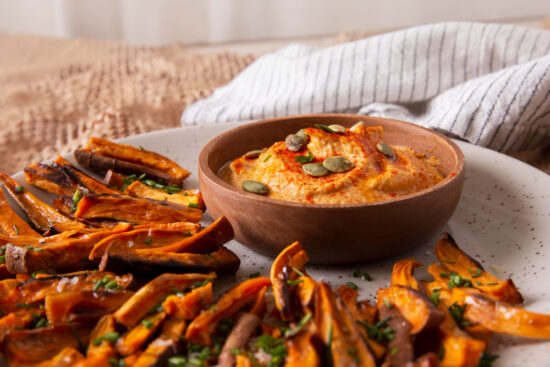
Sikil Pak: Maya Pumpkin-Seed Dip with Roasted Seeds and Tomato
Anshika Jain - October 22, 2026Traditional foods often reveal how communities transform simple, locally available ingredients into preparations with distinctive flavours and cultural significance. Sikil Pak, also written as Sikil P'aak, is…
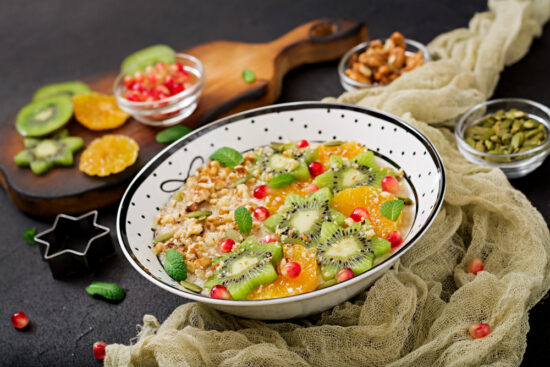
Tinutuan: Indonesian Rice Porridge Celebrating Vegetables
Anshika Jain - October 22, 2026Across Indonesia, traditional food reflects the diversity of local agriculture, community customs and everyday eating habits. Among the distinctive dishes of North Sulawesi is Tinutuan, a savoury…
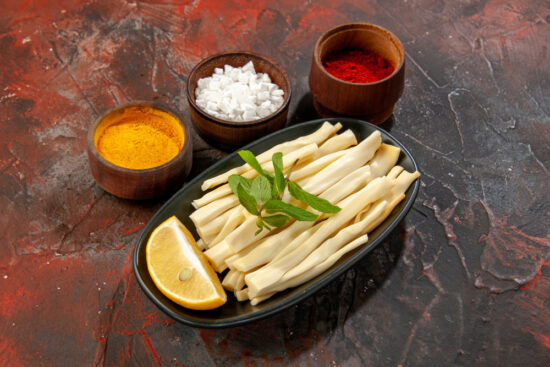
Khorisa-Based Preparations: Fermented Bamboo Shoots
Anshika Jain - October 22, 2026Northeast India is home to a remarkable variety of traditional foods shaped by local agriculture, seasonal ingredients and generations of culinary knowledge. Among the region’s distinctive ingredients…
Most from this category
Jadoh: Khasi Rice Dish That Reflects the Culinary Heritage of Meghalaya
Anshika Jain - October 22, 2026
Anishi Curry: How Fermented Leaf Cakes Create a Distinctive Flavour in Naga Cuisine
Anshika Jain - October 22, 2026
Mammi: The Dark Finnish Easter Dessert Shaped by Rye, Malt and Slow Cooking
Anshika Jain - October 22, 2026
Jadoh: Khasi Rice Dish That Reflects the Culinary Heritage of Meghalaya
Anshika Jain - October 22, 2026Anishi Curry: How Fermented Leaf Cakes Create a Distinctive Flavour in Naga Cuisine
Anshika Jain - October 22, 2026Mammi: The Dark Finnish Easter Dessert Shaped by Rye, Malt and Slow Cooking
Anshika Jain - October 22, 2026
Sikil Pak: Maya Pumpkin-Seed Dip with Roasted Seeds and Tomato
October 22, 2026
Tinutuan: Indonesian Rice Porridge Celebrating Vegetables
October 22, 2026

Leave a Comment