

Monje Haakh: Kashmir’s Traditional Kohlrabi and Leafy Greens Preparation

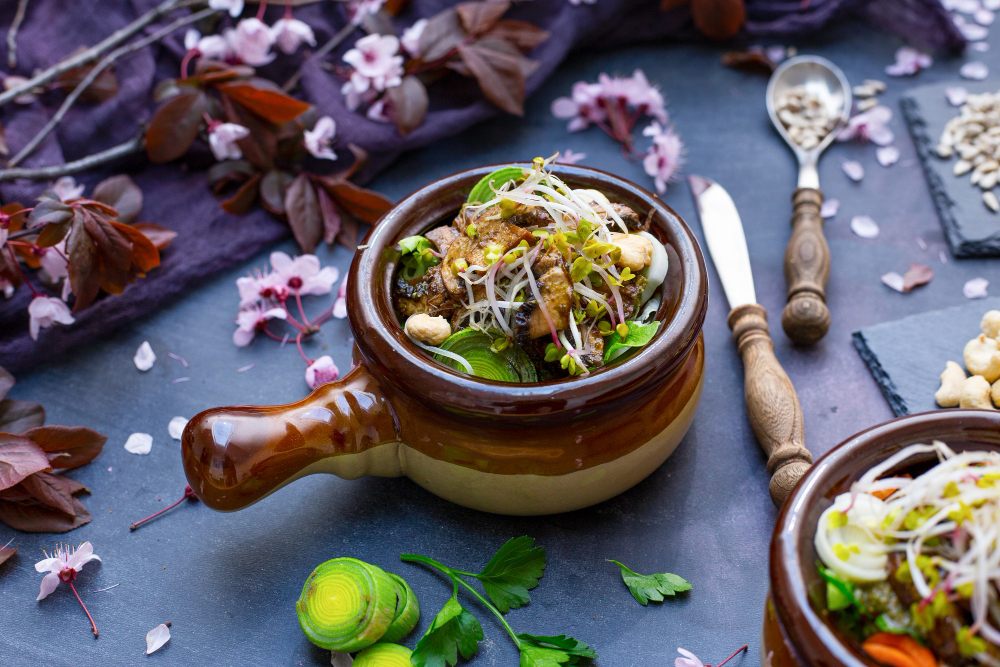
Kashmiri cuisine is known for its thoughtful use of seasonal vegetables, aromatic spices and traditional cooking techniques that bring out the natural flavours of local ingredients. While elaborate dishes such as those served during a Wazwan feast often receive considerable attention, everyday Kashmiri cooking has its own distinctive character. Simple preparations made with leafy greens, rice and seasonal vegetables remain central to household meals. One such traditional preparation is Monje Haakh, a comforting Kashmiri dish made with kohlrabi and its leafy greens, gently cooked with mustard oil, chillies and traditional seasonings.
Known by different spellings, including Monji Haakh and Monj Haak, the dish combines two parts of the same vegetable: the rounded, edible stem of kohlrabi and its leaves. In Kashmiri, monje refers to kohlrabi, while haakh is commonly used for leafy greens. The combination creates a preparation in which the bulb provides a tender, mildly sweet texture and the leaves contribute a deeper, slightly mustard-like flavour. Unlike heavily spiced vegetable curries, a traditional Monje Haakh preparation often relies on a small number of ingredients, allowing the vegetable to remain the centre of attention.
Kohlrabi, also known as knol-khol or ganth gobhi in different parts of India, belongs to the cabbage family. Although it is available in many regions, it has a particularly strong place in Kashmiri food culture. It is prepared in several ways, including simple stews, combinations with other vegetables and dishes featuring meat, fish or paneer. Monje Haakh is especially valued as a home-style preparation because it uses both the bulb and the greens rather than treating the leaves as a part of the vegetable that should be discarded.
Understanding Kohlrabi in Kashmiri Cuisine
Kohlrabi is a distinctive vegetable because its edible portion is not an underground root, as its appearance might suggest. The rounded part develops from the plant’s swollen stem above the ground. It is usually pale green or purple on the outside, with a crisp, light-coloured interior. Its flavour is mild, combining qualities that can remind people of cabbage, broccoli stems and turnip, although it has its own characteristic taste.
In Kashmir, kohlrabi is commonly called monje or monj. It is valued for its versatility and its ability to be used in different types of cooking. The bulb can be sliced, cubed or cooked whole, while the tender leaves are prepared as greens. This makes it especially suitable for a dish such as Monje Haakh, where both parts contribute different textures and flavours.
The vegetable is particularly associated with the cooler growing seasons, when fresh kohlrabi is available in local markets. Tender bulbs are generally preferred because they cook more evenly and have a softer texture. Older or oversized bulbs can become fibrous or woody, requiring more peeling and longer cooking. Fresh leaves also matter because they provide much of the green flavour that defines the preparation.
Kohlrabi’s place in Kashmiri cooking extends beyond Monje Haakh. It may be prepared with other vegetables, lentils, paneer, depending on household preferences and culinary traditions. Food writing on Kashmiri cuisine describes monje as an everyday ingredient and highlights the affection many Kashmiris have for its familiar taste.
The Importance of Haakh in Kashmiri Food Traditions
The word haakh has a broader cultural significance in Kashmir than simply referring to a cooked vegetable. Leafy greens have long been an important part of everyday Kashmiri meals, commonly served with rice. Different greens are prepared using techniques that emphasise their natural flavour, often with mustard oil, chillies and a limited number of seasonings.
Haakh preparations are appreciated for their simplicity. Rather than combining numerous spices or rich sauces, many traditional versions depend on slow cooking and a restrained seasoning approach. This allows the flavour of the greens to remain noticeable. Kohlrabi leaves fit naturally into this tradition because they have a mildly pungent, mustard-like character that develops as they cook.
The importance of haakh is also reflected in the way Kashmiri households use seasonal produce. Greens may be cooked fresh when available, while certain varieties are dried or preserved for use during colder periods. These practices connect everyday cooking with seasonal food availability and household knowledge passed between generations.
Monje Haakh brings together the familiar tradition of cooking greens with the use of a complete vegetable. The bulb provides substance, while the leaves contribute the flavour and texture associated with haakh. This combination makes it a practical and satisfying dish that can accompany rice without requiring an elaborate main course.
The Main Ingredients Behind Monje Haakh
The defining ingredients of Monje Haakh are fresh kohlrabi bulbs and their leaves. The quality of these ingredients has a direct influence on the final dish. Small or medium-sized bulbs with fresh, tender greens are generally preferred because they are easier to prepare and less likely to have a woody texture.
Mustard oil is a characteristic ingredient in many Kashmiri preparations. Its strong aroma complements the vegetable and creates a distinctive flavour base. The oil is often heated until it reaches the smoking point and then allowed to cool slightly before the other ingredients are added. This traditional treatment reduces some of its raw pungency and helps develop its familiar cooking aroma.
Asafoetida, commonly known as hing, is used in small quantities to add savoury depth. Its flavour is strong, so only a pinch is generally required. Whole dried red chillies and fresh green chillies contribute warmth without turning the dish into a heavily spiced curry. Salt brings the ingredients together and helps season the cooking liquid.
Some household versions include garlic, although it is not essential to every traditional preparation. Kashmiri ver masala may also be added towards the end of cooking for a deeper regional flavour. However, the seasoning is generally kept restrained, particularly when the kohlrabi is fresh and tender. Too many spices can overwhelm the vegetable’s natural taste.
Water is used to create the light cooking liquid in which the bulb and leaves soften. Some recipes also include a very small quantity of baking soda to help tenderise tougher greens and maintain their colour, although this is optional and not universal. The exact combination of ingredients varies across households, reflecting different family preferences and cooking traditions.
Traditional Preparation of Monje Haakh
Preparing Monje Haakh is relatively straightforward, but the quality of the finished dish depends on selecting fresh vegetables, cleaning the leaves carefully and controlling the cooking process. The objective is to soften the kohlrabi without making it mushy and cook the greens until tender while retaining their characteristic flavour.
Cleaning and Preparing the Kohlrabi
The preparation begins by separating the leaves from the bulb. The outer skin of each kohlrabi is peeled because it can be tough, particularly around the base and older parts of the vegetable. Any woody sections are removed, and the tender interior is sliced into medium-sized pieces. The pieces should be reasonably uniform so that they cook at a similar rate.
The leaves are washed thoroughly under running water to remove soil and other impurities. Tough central stalks may be removed, especially when the leaves are mature. Tender leaves are often kept in larger pieces or roughly torn rather than finely chopped. This preserves their texture and reflects the traditional approach used in several Kashmiri haakh preparations.
Heating the Mustard Oil and Seasoning
Mustard oil is heated in a cooking pot until it reaches the smoking point. The heat is then reduced or the pot is briefly taken off the flame before adding asafoetida. This step is important because hing can burn quickly and develop an unpleasant taste if it is added to excessively hot oil.
The kohlrabi slices are added and lightly sautéed so that they become coated with the seasoned oil. Whole dried red chillies or green chillies are introduced at this stage or during the later cooking process, depending on the recipe. The aim is to create a fragrant base without browning the vegetable heavily.
Cooking the Bulbs and Leafy Greens
Water and salt are added to the pot, allowing the kohlrabi to cook gently. Once the bulb pieces begin to soften, the prepared leaves are added. In some recipes, the bulbs and leaves are added together, while others cook the bulbs briefly before introducing the greens. Both methods are used to achieve a tender final texture.
The pot is covered partially or fully, and the ingredients are simmered until the bulbs become soft and the leaves wilt. The cooking time depends on the size and maturity of the kohlrabi. Fresh, tender vegetables usually require less time, while larger or more fibrous pieces may need longer cooking.
Some cooks use a pressure cooker to shorten the process. When pressure cooking, it is useful to avoid leaving the greens trapped in steam for too long after cooking because prolonged heat can affect their colour and texture. Other cooks prefer an open pot, which allows them to monitor the vegetables and control the amount of cooking liquid.
Final Seasoning and Serving
Once the vegetables are tender, the seasoning is checked and adjusted. Some versions are finished with a small amount of Kashmiri ver masala, while simpler household preparations rely only on mustard oil, hing, chillies and salt. The final dish may contain a light broth rather than a thick gravy. This liquid is part of its appeal because it carries the flavour of the greens and seasoning.
Monje Haakh is generally served hot with plain steamed rice. The mild taste of rice complements the slightly pungent greens and the gentle warmth of the chillies. A spoonful of the cooking liquid can be served along with the vegetables, allowing the flavours to be enjoyed together.
The Flavour and Texture of Monje Haakh
The defining characteristic of Monje Haakh is its balance of mild sweetness, leafy bitterness and aromatic seasoning. The kohlrabi bulb has a delicate flavour that becomes softer and slightly sweeter during cooking. Its texture changes from crisp and firm to tender while retaining enough structure to remain distinct in the dish.
The leaves contribute a different experience. They have a stronger, more pronounced green flavour, with a mild mustard-like quality that becomes softer as they cook. Their texture also changes, becoming silky and tender while absorbing the seasoning and cooking liquid. Together, the bulb and leaves create a preparation with more variety than a dish made from either part alone.
Mustard oil gives Monje Haakh much of its characteristic aroma. Its pungency is balanced by the mild vegetable flavour, while asafoetida adds a subtle savoury note. Whole chillies provide warmth that spreads gently through the cooking liquid. The final result is generally light rather than rich, making it suitable for regular meals.
Unlike many vegetable curries, Monje Haakh does not depend on a thick onion-tomato base or a complex mixture of powdered spices. Its identity comes from the natural flavour of kohlrabi and the careful use of a few seasonings. This simplicity is not a lack of technique; it requires good ingredients and restraint to ensure that the vegetable remains the central element.
Regional and Household Variations
Monje Haakh is a home-style preparation, and its ingredients can vary according to family traditions, the availability of fresh produce and individual taste. Some households prefer a very simple version with mustard oil, hing, salt and chillies. Others add garlic or finish the dish with ver masala to create a deeper flavour.
The quantity of water also varies. A lighter preparation may have a noticeable amount of broth, while another version may be cooked until most of the liquid is absorbed. Neither approach changes the essential identity of the dish, provided that both the kohlrabi and its leaves remain central to the preparation.
The treatment of the leaves is another point of variation. Some cooks keep them in large pieces, while others roughly tear or chop them. Removing thick stalks is generally useful because these can remain fibrous even after the leaves have softened. Tender stalk sections may still be retained if they are young enough to cook evenly.
There is also a related tradition of preserving kohlrabi greens by drying them. Sun-dried or dried kohlrabi leaves can be stored and later rehydrated for winter cooking. This practice carries particular importance for Kashmiri families who use preserved greens to maintain a connection with seasonal food traditions when fresh produce is unavailable. A Down To Earth food story published in September 2025 describes dried Monje Haakh as a meaningful reminder of the Valley for Kashmiri Pandit families, connecting its preparation with family memory and food preservation.
Sun-Dried Monje Haakh and the Tradition of Food Preservation
The tradition of drying greens reflects a practical approach to seasonal cooking. In regions where weather conditions can affect the availability of fresh vegetables, preserving produce allows households to enjoy familiar ingredients beyond their natural growing season. Kohlrabi greens can be dried and stored, then soaked or boiled before being prepared with oil and seasoning.
Dried greens have a different texture and flavour from fresh leaves. Their taste becomes more concentrated, and they require rehydration before cooking. Stalks may need additional soaking or simmering to become tender. Once prepared, they can be seasoned with mustard oil, hing and salt to create a simple dish that retains the identity of haakh.
The use of dried greens is also associated with migration and family memory. Kashmiri families living away from the Valley may preserve or obtain dried ingredients to recreate familiar home-style meals. The aroma of mustard oil and cooked greens can therefore carry emotional meaning beyond the food itself. It can represent family kitchens, seasonal routines and a connection to a place of origin.
Fresh Monje Haakh and preparations made with dried greens are related but not identical. The fresh version highlights the combination of tender kohlrabi bulbs and leafy greens, while the dried version places greater emphasis on the preserved leaves. Both demonstrate the resourcefulness of Kashmiri cooking and the importance of making seasonal ingredients last.
How Monje Haakh Is Served in a Kashmiri Meal
Plain steamed rice is the most natural accompaniment to Monje Haakh. Rice provides a neutral base that allows the flavour of the vegetable and its seasoning to remain noticeable. The light cooking liquid can be spooned over the rice, creating a comforting combination that is especially suitable for a simple home meal.
The dish can also be served alongside other vegetarian Kashmiri preparations. A meal containing rice, Monje Haakh, dal and a yoghurt-based accompaniment offers a variety of textures and flavours without making the vegetable preparation feel overly rich. It can also appear alongside paneer dishes or other traditional foods as part of a larger meal.
Monje Haakh is generally not treated as a decorative side dish. It can form an important vegetable component of an everyday meal, particularly when fresh kohlrabi is in season. Its simplicity makes it suitable for regular cooking, while its connection with Kashmiri food traditions gives it a place in meals prepared for family members returning home or gathering together.
It is best served warm, soon after cooking, when the leaves are tender and the bulbs retain their shape. The dish can be reheated gently, although prolonged heating may soften the vegetables further. A small amount of water can be added if the cooking liquid has reduced too much during storage.
Nutritional Characteristics of Monje Haakh
Monje Haakh combines the nutritional qualities of kohlrabi bulbs and leafy greens. Kohlrabi is a source of vitamin C, dietary fibre and potassium, while its leaves contribute additional nutrients, including vitamin K and carotenoids. The exact nutritional composition depends on the variety, freshness and cooking method.
The bulb provides a mild, naturally sweet vegetable component, while the greens add fibre and a range of plant nutrients. Using both parts of the vegetable also makes the preparation a practical example of reducing food waste. Instead of discarding edible leaves, the recipe incorporates them into the same dish, creating a more varied texture and flavour.
The cooking method influences the final nutritional profile. Mustard oil contributes fat and energy, while salt affects the sodium content. Simmering the vegetables in water allows some water-soluble nutrients to enter the cooking liquid. Since the broth is usually served along with the vegetables, these dissolved components are not necessarily discarded.
Monje Haakh can be part of a balanced vegetarian meal when served with rice, lentils or other suitable protein sources. However, its nutritional value should be considered as part of the overall meal rather than as a standalone health solution. The amount of oil and salt used can be adjusted according to individual dietary preferences.
Selecting and Preparing Kohlrabi at Home
The quality of Monje Haakh begins with choosing suitable kohlrabi. Fresh bulbs should feel firm and relatively heavy for their size, without extensive cracks, soft patches or signs of deterioration. Smaller and medium-sized bulbs are often preferred because their interiors tend to be more tender. The leaves should look fresh and green rather than yellow, dry or heavily wilted.
Cleaning is particularly important because soil can collect around the base of the leaves and in the spaces between their stalks. Separating the leaves and washing them carefully helps remove grit. The bulb should be peeled sufficiently to remove its tougher outer layer, especially near the base. Any woody sections should be trimmed before slicing.
When kohlrabi is not very fresh, its bulb may require more peeling and a longer cooking time. Tough leaves and stalks may also need to be removed. Using a little more water and simmering gently can help soften the remaining pieces, although very mature vegetables may not achieve the same delicate texture as fresh seasonal produce.
Mustard oil is widely available in Indian kitchens and is suitable for recreating the traditional flavour. If another cooking oil is used, the dish will still be enjoyable, but its aroma will differ. Similarly, ver masala can add regional depth, but it is not essential for a basic preparation. The central principle is to keep the seasoning controlled so that the kohlrabi remains the main ingredient.
Monje Haakh in Contemporary Food Culture
As interest in regional Indian food grows, traditional Kashmiri preparations such as Monje Haakh are receiving attention beyond their original household settings. Food writers, chefs and home cooks are increasingly exploring vegetables that are familiar in one region but less commonly used elsewhere. Kohlrabi is an interesting example because it is available in several parts of India, yet its role in Kashmiri cuisine is particularly distinctive.
Contemporary cooking has introduced variations that combine kohlrabi with other ingredients, including paneer, fish, meat, potatoes and lentils. These combinations demonstrate the vegetable’s versatility, although they are different from the simpler Monje Haakh preparation. The traditional version remains appealing because it uses the bulb and greens together and allows their natural characteristics to define the dish.
The growing visibility of regional recipes also creates opportunities to preserve culinary knowledge. Documenting the preparation of Monje Haakh, including the selection of fresh greens and the use of dried ingredients, helps communicate more than a list of cooking instructions. It records how families use seasonal produce, how flavours are balanced and how food traditions continue across generations.
For people discovering Kashmiri cuisine, Monje Haakh offers an accessible introduction. Its ingredients are relatively easy to understand, its cooking technique is straightforward, and its flavour does not depend on complicated spice mixtures. At the same time, it provides a meaningful glimpse into the everyday food culture of the Valley.
Conclusion
Monje Haakh is a traditional Kashmiri preparation that celebrates the simple combination of kohlrabi and its leafy greens. The tender bulb, flavourful leaves, mustard oil, asafoetida and chillies come together to create a comforting dish that reflects the character of everyday Kashmiri cooking. Its restrained seasoning allows the natural flavours of the vegetable to remain prominent, while its light cooking liquid makes it particularly suitable for serving with steamed rice.
The dish also represents a wider tradition of using seasonal produce and preserving ingredients for colder months. From fresh kohlrabi cooked in household kitchens to sun-dried greens stored for later use, Monje Haakh carries connections to family memory, regional identity and practical food knowledge. Its continued presence in Kashmiri food culture demonstrates how a modest vegetable preparation can hold lasting culinary and cultural significance.
Online Internship with Certificate
You may be interested
Celtuce: Exploring the Chinese Vegetable Valued for Its Thick, Crisp Stem
Anshika Jain - November 6, 2026Celtuce is a distinctive Chinese vegetable cultivated primarily for its thick, tender and crisp stem. Although it belongs to the lettuce family, its appearance and culinary uses…
Chayote: Exploring the Crisp and Versatile Squash Used in Savoury Cooking
Anshika Jain - November 6, 2026Chayote is a mild, crisp squash that has become an important ingredient in several regional food traditions around the world. Recognised by its light-green colour, pear-like shape…
Basbousa: Egypt’s Traditional Semolina Cake Loved Across the Middle East
Anshika Jain - November 6, 2026Basbousa is one of the most recognisable traditional desserts of Egypt and the wider Middle East. Made primarily from semolina, sugar, butter or ghee, and milk or…
Most from this category
Kardinalschnitten: Austria’s Elegant Layered Dessert of Sponge, Meringue and Cream
Anshika Jain - November 6, 2026
Malva Pudding: South Africa’s Famous Soft Sponge Dessert With a Creamy Sauce
Anshika Jain - November 6, 2026
Aloo Ke Gutke — Uttarakhand: The Traditional Pahadi Potato Preparation
Anshika Jain - November 5, 2026Kardinalschnitten: Austria’s Elegant Layered Dessert of Sponge, Meringue and Cream
Anshika Jain - November 6, 2026Malva Pudding: South Africa’s Famous Soft Sponge Dessert With a Creamy Sauce
Anshika Jain - November 6, 2026




Leave a Comment