

Queijadinha: Brazilian Coconut and Cheese Sweet

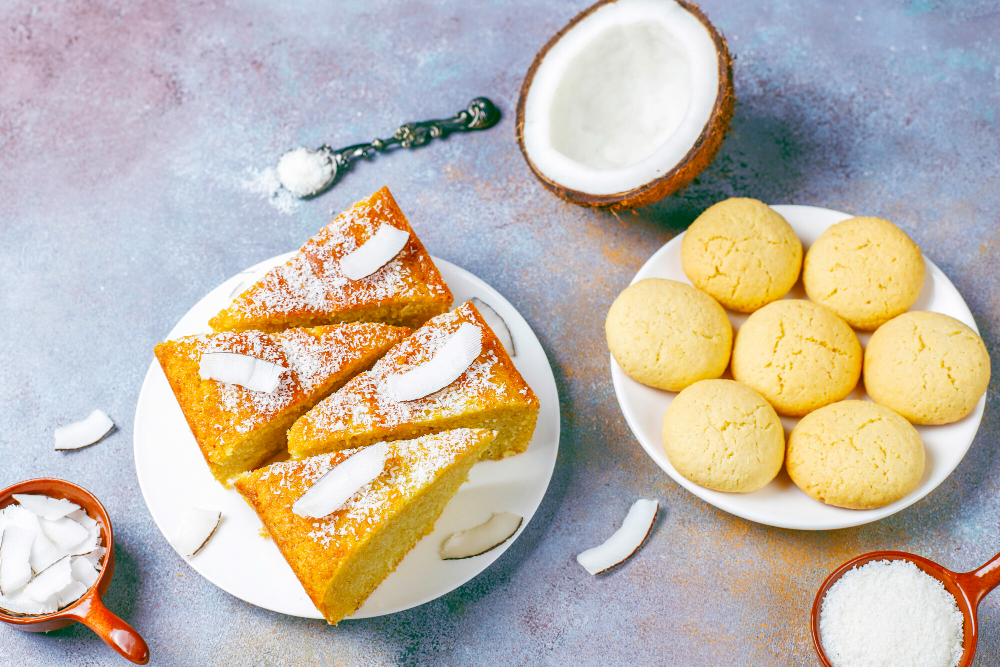
Brazilian cuisine is famous for its colourful food culture, tropical ingredients and wide variety of traditional sweets. Among its most distinctive small desserts is Queijadinha, a delightful coconut and cheese sweet that combines the richness of dairy with the natural sweetness and fragrance of coconut. Traditionally prepared with grated coconut, cheese, sugar, condensed milk and eggs, this popular Brazilian treat is known for its soft interior, lightly golden surface and appealing balance of sweet and savoury flavours. Its small size makes it suitable for bakeries, family gatherings, celebrations and everyday enjoyment.
Queijadinha is particularly interesting because it brings together two ingredients that might not immediately seem like a natural combination in a dessert: coconut and cheese. Coconut provides sweetness, texture and a tropical aroma, while cheese contributes a mild savoury note that prevents the dessert from becoming excessively sweet. The result is a rich, slightly chewy and creamy sweet that stands apart from conventional coconut cakes and confectionery.
Traditional Queijadinha recipes commonly use eggs to bind the ingredients and create their characteristic custard-like structure. However, an egg-free vegetarian adaptation can also be prepared by using condensed milk, milk, a small quantity of flour or cornstarch and an appropriate vegetarian cheese. These ingredients help create a cohesive mixture that becomes tender and lightly set during baking. This adaptation retains the dessert’s defining coconut-and-cheese combination while making it suitable for people who avoid eggs.
Understanding the Name and Identity of Queijadinha
The name Queijadinha is derived from the Portuguese word “queijo”, meaning cheese. The ending suggests a small or individual preparation, which reflects the dessert’s familiar presentation in small paper cases or baking moulds. The name highlights the importance of cheese in the recipe, even though coconut is equally significant to its flavour and texture.
Queijadinha is often described as a small Brazilian coconut and cheese tart or sweet cake. However, it does not always have the structure of a conventional pastry tart. Many versions are prepared without a separate pastry shell, allowing the coconut mixture itself to form the dessert. Depending on the recipe, the finished sweet may have a soft, moist centre, a slightly firm base and a lightly caramelised top.
The texture can vary between regions, bakeries and household recipes. Some versions are more custard-like, while others are denser and chewier because of the amount of grated coconut used. The balance between cheese, coconut and dairy ingredients is what gives each preparation its individual character.
Historical Origins and Portuguese Influence
Queijadinha is closely connected with the culinary relationship between Portugal and Brazil. Portuguese cooking traditions influenced many aspects of Brazilian food, particularly the preparation of sweets made with dairy products, sugar and coconut. During the colonial period, ingredients, recipes and cooking techniques travelled between Portugal and Brazil, gradually adapting to the agricultural conditions and food preferences of the new environment.
Portuguese confectionery has a long tradition of using cheese, milk, sugar and eggs in baked sweets. Many traditional Portuguese desserts developed around monasteries and convent kitchens, where dairy products and eggs were frequently used in rich pastries and confectionery. These preparations helped establish a culinary foundation for several Brazilian sweets that later developed their own regional identities.
Coconut became particularly important in Brazilian dessert-making because of its availability in tropical regions. It was incorporated into cakes, puddings, sweets and baked preparations, creating combinations that differed from their European influences. Queijadinha reflects this adaptation by bringing together the Portuguese-inspired use of cheese and dairy with the distinctive flavour and texture of coconut.
Over time, Queijadinha became established as a familiar Brazilian bakery sweet. It is now associated with traditional confectionery counters, neighbourhood bakeries and homemade desserts. Although recipes differ, the combination of coconut and cheese remains central to its identity.
What Makes Queijadinha Special?
The appeal of Queijadinha lies in its unusual but harmonious combination of flavours. Coconut brings a naturally sweet, tropical character, while cheese introduces a mild salty and savoury quality. This contrast creates a more balanced taste than desserts that depend entirely on sugar or chocolate for their flavour. The dairy ingredients also contribute richness and a smooth mouthfeel.
Texture is another defining characteristic. Grated coconut creates small, tender strands throughout the dessert, giving it a pleasant chewiness. Condensed milk and other dairy ingredients provide moisture and help the mixture hold together during baking. The surface may become lightly golden, while the centre remains soft and rich.
The dessert is also convenient to prepare and serve. Individual portions can be baked in small moulds or paper cases, making them suitable for sharing at celebrations and gatherings. Their compact size allows them to be served as part of a dessert platter or enjoyed with coffee and tea.
Unlike elaborate layered cakes, Queijadinha does not require complicated decoration. Its appearance is simple, and its flavour comes primarily from the quality and proportion of its ingredients. This straightforward preparation is one reason it continues to be popular in Brazilian homes and bakeries.
Traditional Vegetarian Ingredients and the Egg-Free Adaptation
Traditional Queijadinha recipes generally contain grated coconut, cheese, sugar, condensed milk, butter and eggs. Since eggs are commonly used as a binding and setting ingredient, preparing an egg-free version requires some adjustments. The aim is to maintain the dessert’s soft, moist texture without turning it into a dry coconut biscuit or an overly dense cake.
Fresh or unsweetened desiccated coconut provides the main flavour and texture. Fresh coconut generally produces a softer and more aromatic result, while desiccated coconut is convenient and easier to store. If desiccated coconut is used, it can be mixed with milk or coconut milk and allowed to rest briefly so that it absorbs some moisture before baking.
Cheese is essential to the identity of Queijadinha. A mild, finely grated cheese can be used to provide the characteristic savoury contrast. Brazilian recipes may use different local cheeses depending on availability and regional preferences. For an adaptation outside Brazil, a mild vegetarian cheese with a suitable melting quality can be selected. It is important to check that the cheese is made using vegetarian microbial or plant-based rennet if strict vegetarian requirements apply, because some cheeses use animal-derived rennet.
Sweetened condensed milk contributes sweetness, moisture and structure. It also helps the ingredients combine into a thick mixture. Milk or coconut milk can be added in a small quantity to adjust the consistency, while butter provides richness. A little flour or cornstarch helps the egg-free mixture set during baking. Vanilla may be added for fragrance, although it should remain subtle so that the coconut and cheese flavours stay prominent.
This adaptation is vegetarian and egg-free when prepared with suitable cheese and dairy ingredients. It is not vegan because it contains milk, condensed milk, butter and cheese. The distinction is important because vegetarian and vegan diets have different ingredient requirements.
How to Prepare Egg-Free Vegetarian Queijadinha
The egg-free preparation begins with selecting and measuring the ingredients carefully. Grated coconut should be placed in a large mixing bowl along with finely grated vegetarian cheese. The cheese should have a mild flavour so that it complements the coconut instead of overpowering it. Sweetened condensed milk is then added, creating a thick and creamy base that helps bind the mixture.
Melted butter can be incorporated after it has cooled slightly. A small amount of milk or coconut milk is added gradually to make the mixture moist and easier to combine. The liquid should not be poured in all at once because the amount required depends on the moisture present in the coconut and the consistency of the condensed milk. The mixture should be thick and spoonable rather than runny.
A little flour or cornstarch is then mixed in to help the dessert hold its shape without eggs. Cornstarch produces a softer, more delicate set, while a small amount of flour can create a slightly firmer structure. The quantity should remain moderate because too much thickener may make the finished Queijadinha dense or floury. Vanilla can be added if desired, followed by a small pinch of salt to balance the sweetness.
Once the ingredients are combined, the mixture should rest for approximately ten to fifteen minutes. This allows the coconut to absorb some of the moisture and helps create a more consistent texture. During this time, the oven can be preheated to approximately 180°C. Small baking moulds or paper cases should be arranged on a baking tray and lightly greased if necessary.
The Importance of Coconut in Brazilian Desserts
Coconut is one of the most recognisable ingredients in Brazilian sweet cuisine. Its popularity is connected with the country’s tropical climate and the availability of coconut in several coastal and northeastern regions. It is used in different forms, including fresh grated coconut, dried coconut, coconut milk and coconut cream. Each form offers a different texture and level of richness.
In Queijadinha, grated coconut is particularly important because it provides both flavour and structure. Unlike smooth coconut milk, which mainly contributes moisture and creaminess, grated coconut creates a distinctive texture throughout the dessert. Its natural oils also contribute to the rich mouthfeel that makes the sweet satisfying in small portions.
Coconut is used in many other Brazilian desserts, including cocada, beijinho and various coconut cakes. These sweets demonstrate how one ingredient can be transformed into different textures and flavours through changes in preparation. In Queijadinha, coconut is combined with cheese, creating a flavour profile that is different from desserts in which coconut is the only dominant ingredient.
The Role of Cheese in Queijadinha
Cheese is the ingredient that distinguishes Queijadinha from many other coconut-based sweets. Its mild savoury flavour creates contrast with condensed milk and sugar, preventing the dessert from tasting one-dimensional. The amount and type of cheese influence the final flavour, so choosing a suitable variety is important.
A mild, slightly salty cheese is generally a practical choice for an egg-free adaptation. It should be finely grated so that it distributes evenly throughout the coconut mixture. A cheese with an excessively strong aroma may dominate the dessert, while one that is too bland may contribute little to its traditional character.
Cheese also affects the texture during baking. Depending on its moisture and melting properties, it may help create a soft, cohesive interior or contribute small pockets of melted dairy richness. The mixture should therefore be tested with the selected cheese, especially when adapting a recipe using ingredients available outside Brazil.
For strict vegetarian preparation, the cheese label should be checked carefully. Some varieties use animal rennet, which is not suitable for many vegetarians. Choosing cheese made with microbial or vegetable rennet helps ensure that the dessert meets vegetarian dietary preferences.
Popular Variations of Queijadinha
Although the classic combination of coconut and cheese remains the defining feature of Queijadinha, several variations can be created by adjusting the ingredients and proportions. Some preparations use fresh coconut for a more delicate texture, while others rely on desiccated coconut for convenience and a slightly denser result. The amount of condensed milk can also be adjusted to create a sweeter or less sweet dessert.
A richer version may include additional coconut milk or a small amount of coconut cream. This increases the tropical aroma and produces a softer interior. However, extra liquid should be added carefully because excessive moisture can prevent the dessert from setting properly, particularly in an egg-free recipe.
Some modern versions introduce citrus zest, especially lemon or orange, to add freshness. A small quantity of zest can complement the coconut and cheese without changing the dessert’s essential flavour. Vanilla is another optional addition, although it should be used sparingly.
Mini Queijadinhas are particularly popular for parties and bakery displays because they are easy to serve individually. Larger versions can also be prepared in a shallow baking dish and cut into small portions after cooling. The cooking time will need to be adjusted according to the size and depth of the baking container.
Queijadinha in Brazilian Bakeries and Celebrations
Queijadinha is a familiar sight in many Brazilian bakeries and confectionery shops. It is often displayed alongside small cakes, coconut sweets, pastries and other traditional treats. Its individual portion size makes it convenient for customers looking for a quick snack or a small dessert to accompany coffee.
The dessert also fits naturally into Brazilian celebrations and family gatherings. Small sweets are an important part of many festive food tables, where a variety of flavours and textures are offered to guests. Queijadinha’s combination of coconut and cheese gives it a distinctive place among these options, especially for people who enjoy traditional baked sweets rather than heavily decorated desserts.
Homemade preparation also helps preserve regional food traditions. Families may adjust the recipe according to the cheese available, personal preferences or the sweetness of the coconut. These differences are part of the living nature of traditional cuisine, where recipes are passed down and adapted rather than remaining completely fixed.
Serving Queijadinha for the Best Experience
Queijadinha can be served slightly warm or at room temperature. When it is freshly baked, the centre is particularly soft and the coconut aroma is noticeable. Allowing it to cool gives the mixture time to become more stable, making it easier to remove from the moulds and serve neatly.
The dessert is often enjoyed with Brazilian coffee, tea or another warm beverage. Coffee’s mild bitterness creates a pleasant contrast with the sweetness of condensed milk, while tea provides a lighter accompaniment. Because Queijadinha is rich, a small portion is often sufficient to enjoy its flavour.
For a simple presentation, the sweets can be served in their paper cases or arranged on a ceramic platter. A little freshly grated coconut may be used as a garnish, although decoration is not essential. The focus should remain on the golden surface, visible coconut texture and balanced coconut-and-cheese flavour.
Nutritional Characteristics and Dietary Considerations
Queijadinha contains carbohydrates from coconut and sweetened condensed milk, fats from dairy products and coconut, and some protein from cheese and milk. Coconut contributes dietary fibre, while cheese provides protein and minerals such as calcium. However, the dessert can also be high in added sugar and saturated fat, particularly when prepared with full-fat condensed milk, butter and rich cheese.
The nutritional profile depends on portion size and the ingredients selected. Using unsweetened coconut and a measured quantity of condensed milk can help control the sweetness. Smaller moulds also make portion management easier without changing the character of the dessert.
The egg-free adaptation is suitable for vegetarians when the cheese is made without animal rennet. It is also free from eggs when all packaged ingredients are checked for egg-based additives. However, it is not suitable for people with dairy allergies or those following a vegan diet because it contains several milk-based ingredients. People with specific dietary needs should review the ingredient labels and choose alternatives carefully.
Tips for Making Soft and Moist Egg-Free Queijadinha
The success of egg-free Queijadinha depends on maintaining the correct balance between moisture and structure. Coconut absorbs liquid differently depending on whether it is fresh or dried. Desiccated coconut generally needs additional moisture, while fresh coconut may already contain enough natural liquid. Adding milk gradually helps prevent the mixture from becoming too wet.
The choice of cheese is equally important. A mild vegetarian cheese with a suitable melting quality provides a balanced flavour and distributes more evenly when finely grated. Strong or excessively salty cheese can overpower the coconut, so the flavour should be considered before selecting a variety.
Using a small quantity of flour or cornstarch helps the dessert set, but too much can make it heavy. The mixture should remain moist and spoonable before baking. It is also important not to overbake the sweets, as excessive cooking can dry out the coconut and create a firm texture. The surface should become lightly golden while the interior remains tender.
Allowing the baked Queijadinhas to cool before removing them from the moulds is another essential step. Since the egg-free version does not rely on eggs for setting, it benefits from a short resting period after baking. This helps the dairy and coconut mixture become more stable and reduces the possibility of breaking.
Conclusion
Queijadinha is a distinctive Brazilian sweet that brings together the tropical flavour of coconut and the richness of cheese. Influenced by Portuguese confectionery traditions and adapted to Brazil’s local ingredients, it has become a familiar treat in bakeries, homes and celebrations. Its soft, moist interior, lightly golden surface and balance of sweet and savoury flavours make it different from ordinary coconut cakes and biscuits.
Although traditional recipes commonly use eggs, an egg-free vegetarian adaptation can preserve the dessert’s essential character through the careful combination of coconut, condensed milk, vegetarian cheese and a small amount of flour or cornstarch. This version offers an alternative for people who avoid eggs while retaining the familiar richness associated with Queijadinha. Whether enjoyed with coffee, served at a family gathering or prepared as a homemade treat, this Brazilian dessert demonstrates how simple ingredients and cultural influences can create something memorable.
Online Internship with Certificate
You may be interested
Kısır – Turkey: Traditional Turkish Bulgur Salad with Fresh Herbs
Anshika Jain - November 26, 2026Turkish cuisine is celebrated for its colourful ingredients, fresh herbs, balanced flavours and dishes that bring together simplicity and culinary tradition. Among its popular vegetarian preparations, Kısır…
Tamal de Elote – Mexico: Traditional Sweet Corn Tamales
Anshika Jain - November 26, 2026Mexican cuisine is celebrated for its deep connection with corn, an ingredient that has shaped the country's agricultural history, food traditions and everyday cooking for centuries. From…
Zemiakové Placky – Slovakia: Traditional Crispy Slovak Potato Pancakes
Anshika Jain - November 26, 2026Slovak cuisine is known for its comforting preparations, hearty ingredients and traditional recipes that transform everyday vegetables into satisfying meals. Among its popular potato-based dishes, Zemiakové Placky…
Most from this category
Bajra Raab – Rajasthan: Traditional Pearl Millet Drink with Warming Spices
Anshika Jain - November 26, 2026
Holubtsi: Traditional Vegetarian Cabbage Rolls with Rice and Mushrooms
Anshika Jain - November 26, 2026
Maamoul Mad: Traditional Levantine Semolina Pastry with Dates and Nuts
Anshika Jain - November 25, 2026Bajra Raab – Rajasthan: Traditional Pearl Millet Drink with Warming Spices
Anshika Jain - November 26, 2026Kashk-e Bademjan: A Traditional Persian Roasted Eggplant Delicacy
Anshika Jain - November 26, 2026Holubtsi: Traditional Vegetarian Cabbage Rolls with Rice and Mushrooms
Anshika Jain - November 26, 2026
Kısır – Turkey: Traditional Turkish Bulgur Salad with Fresh Herbs
November 26, 2026
Tamal de Elote – Mexico: Traditional Sweet Corn Tamales
November 26, 2026

Leave a Comment