The Coffee Facts

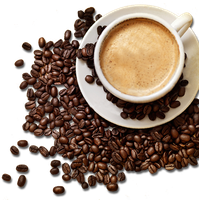
Coffee is a beverage from percolation, infusion, or decoction from the roasted and ground seeds of a coffee plant. This article discusses the coffee facts.
Interesting coffee facts:
THE NETHERLANDS CONSUMES THE MOST COFFEE
According to a 2020 study, the Netherlands was to consume the most coffee per capita with a whopping 8.3 kilograms!
They follow Finland at 7.8 and Sweden at 7.6. Despite our best efforts, the UK didn’t even rank in the top fifteen for the most coffee addicted countries!
COFFEE BEANS AREN’T BEANS
Contrary to the name, a coffee bean isn’t actually a bean.
Rather, it’s the pit (or seed) that’s found inside the coffee cherry. People remove the coffee bean from the fruit as part of the harvest process.
Because of their shape and size, they’re now a bean but, assuming the conditions are right, you could plant one and it could grow into a whole new coffee plant.
THERE’S A COFFEE MADE FROM POO…
Originating from Indonesia, the Kopi Luwak is one of the most sought after coffees in the world. It’s from the help of the adorable palm civet who eat the coffee cherries and then… pass the beans.
The unique fermentation process that occurs as the beans travel through the civet’s digestive tract says to offer a smooth finish and very distinctive flavor to the final brew.
THE ETYMOLOGY OF THE WORD “COFFEE”
The earliest term for the drink of coffee was the Arabic word “qahwah”, which actually referred to a type of wine.
The Ottoman Turks then used the term “kahve”, which was followed by the Dutch word “koffie”, from which the English name was derived in 1582.
THE WORLD’S LARGEST CUP OF COFFEE WAS OVER 20,000 LITRES
As of 15th June 2019, the largest cup of coffee ever made has a whopping 22,739.14 litres and was there in the book of records.
The cup was from Alcaldía Municipal de Chinchiná (Colombia) at Parque de Bolívar, Chinchiná, Caldas, Colombia and took over a month with fifty people working on the project.
PEOPLE HAVE TRIED TO BAN COFFEE
In its early years, there were plenty of different groups across the world that tried to ban our favourite beverage.
Typically, it was because of coffee’s stimulating effect or the particular crowd it attracted. Coffee Houses fast became a spot for free thinkers to discuss their ideas. One particular instance was in Mecca all the way back in 1511 where the governor feared coffee might unite his opposition.
ALSO READ: Lohri Foods
World-class learning for you
– Start learning with Easy Shiksha today and get certified
– Also, Authorized certificates recognized everywhere.
You may be interested
Mahua: The Forest Flower That Became a Traditional Food and Beverage Ingredient
Anshika Jain - October 14, 2026Across the forests of central and eastern India, a small, fleshy flower has played an important role in traditional food cultures for generations. Known as mahua, the…
Boza: The Thick Fermented Drink That Looks Nothing Like a Modern Beverage
Anshika Jain - October 14, 2026In a world dominated by sparkling sodas, iced coffees, fruit smoothies, and brightly coloured energy drinks, Boza stands out for looking almost like something from an entirely…
Yomari: Nepal’s Sweet Dumpling With a Molten Molasses Centre
Anshika Jain - October 14, 2026Imagine biting into a soft, warm dumpling made from rice flour and discovering a rich, dark, syrupy filling that melts across your tongue. The outer layer is…
Most from this category

Khar: The Alkaline Food Preparation That Sounds More Like Chemistry Than Cooking
Anshika Jain - October 14, 2026
Kharvas: The Milky Steamed Pudding That Comes From a Surprising Source
Anshika Jain - October 13, 2026Khar: The Alkaline Food Preparation That Sounds More Like Chemistry Than Cooking
Anshika Jain - October 14, 2026Panchamrit-Based Sweets: How Temple Ingredients Become Dessert
Anshika Jain - October 14, 2026
Yomari: Nepal’s Sweet Dumpling With a Molten Molasses Centre
October 14, 2026