


Oca — Andes: The Colourful Traditional Tuber with a Distinctive Tart Flavour
Anshika Jain - October 30, 2026The Andes are home to an extraordinary range of traditional crops that have supported mountain communities for centuries. Among these lesser-known agricultural treasures is oca, a colourful…
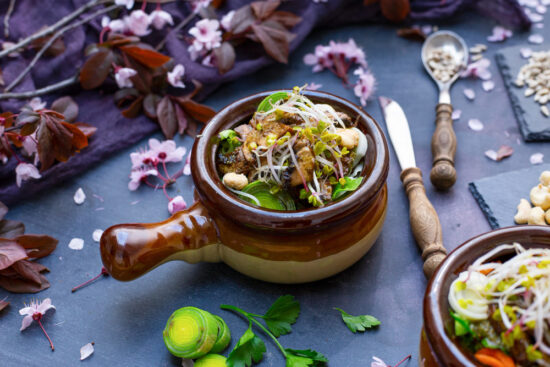
Salsify : Root Vegetable with Flavour and Rich Culinary Heritage
Anshika Jain - October 30, 2026European cuisine has a long history of using seasonal vegetables that are often overlooked in modern supermarkets. While potatoes, carrots, onions and parsnips remain familiar ingredients, several…
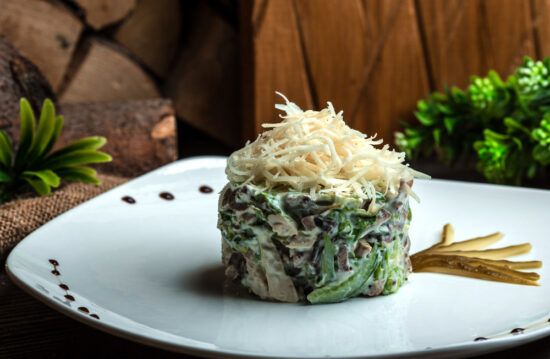
Laverbread — Wales: Seaweed Delicacy Made from the Welsh Coast
Anshika Jain - October 30, 2026Welsh cuisine is known for its connection to local landscapes, traditional farming, coastal communities and ingredients that have been used for generations. Among its most distinctive foods…
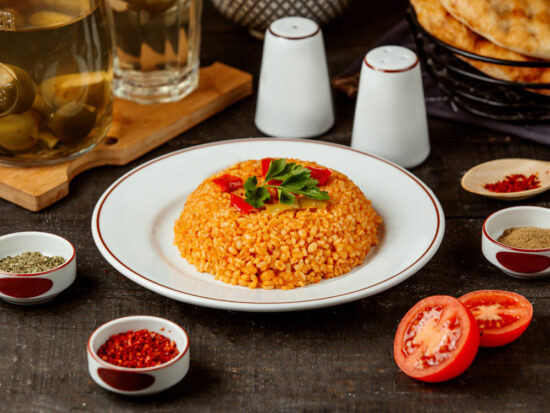
Mujaddara Hamra — Lebanon: Lebanese Lentil and Grain Dish
Anshika Jain - October 30, 2026Lebanese cuisine is widely appreciated for its ability to transform simple, locally available ingredients into dishes with remarkable flavour, texture, and nutritional value. Among its traditional plant-based…

Ghapama: Armenia’s Festive Stuffed Pumpkin with Rice, Dried Fruits, and Nuts
Anshika Jain - October 29, 2026Armenian cuisine is known for its rich culinary heritage, seasonal ingredients, and dishes that bring families together around the table. Among its most distinctive festive preparations is…
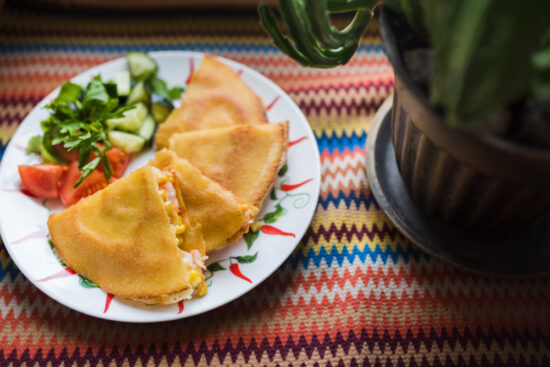
Sopa Paraguaya: Paraguay’s Traditional Savoury Cornmeal Cake
Anshika Jain - October 29, 2026Paraguayan cuisine reflects a rich combination of Indigenous Guaraní food traditions and influences introduced during the colonial period. Corn, cassava, cheese, milk, and onions feature prominently in…
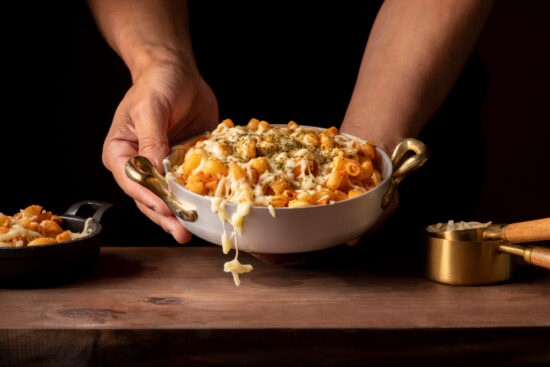
Kasespatzle: Cheese Noodles of Austria and Southern Germany
Anshika Jain - October 29, 2026European comfort food often finds its greatest appeal in the thoughtful combination of simple ingredients. Across Austria and southern Germany, few dishes illustrate this principle as effectively…

Kroppkakor: Sweden’s Traditional Potato Dumplings with a Vegetarian Twist
Anshika Jain - October 29, 2026Swedish cuisine is often associated with hearty comfort foods, seasonal ingredients, and traditional recipes that have been passed down through generations. Among its distinctive dishes, Kroppkakor holds…
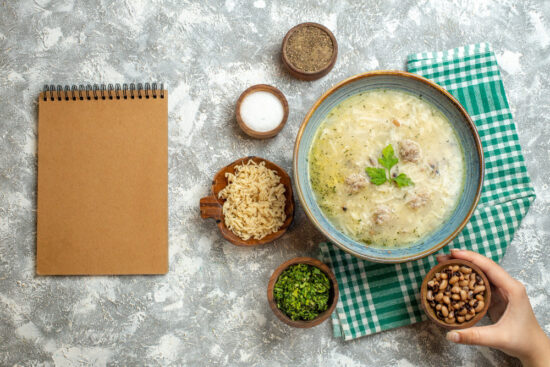
Bubur Manado: Indonesia’s Nourishing Vegetable Rice Porridge
Anshika Jain - October 29, 2026Across Indonesia, traditional food often reflects the relationship between local agriculture, regional identity, and everyday cooking. One notable example is Bubur Manado, a vegetable-rich rice porridge associated…
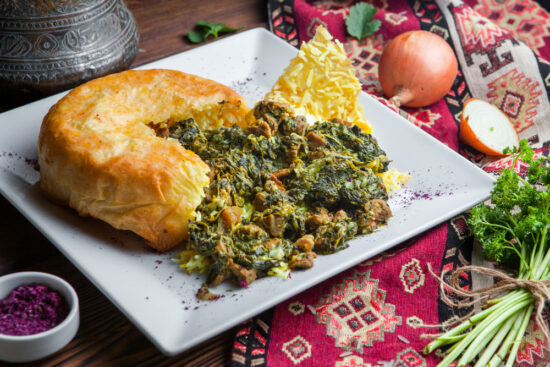
Kuku Sabzi — Iran’s Fragrant Herb Frittata and a Celebration of Persian Tradition
Anshika Jain - October 29, 2026Iranian cuisine is celebrated for its careful balance of herbs, spices, fruits, nuts and aromatic ingredients. Rather than relying exclusively on intense seasoning, many traditional Persian dishes…
