

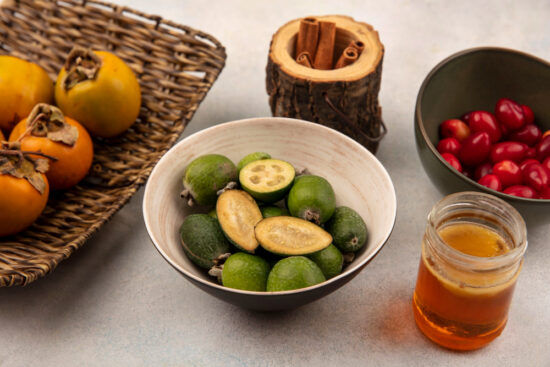
Green Walnut Preserves: How a Bitter, Unripe Fruit Is Transformed Through Preservation
Anshika Jain - October 27, 2026Some traditional foods begin with ingredients that seem unsuitable for eating in their natural state. Green walnut preserves are a fascinating example of how careful preparation can…
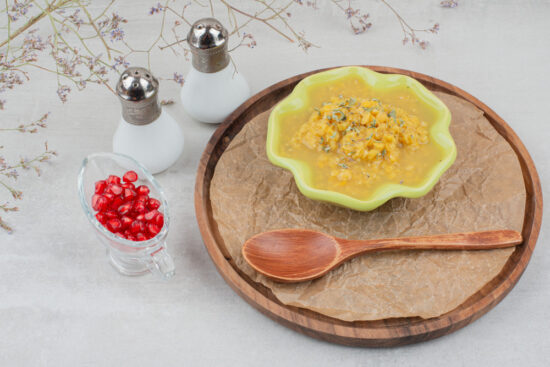
Lotus Seed Paste Dishes: Mild Seed Becomes a Smooth Filling for Sweet Foods
Anshika Jain - October 27, 2026Some of the most distinctive culinary ingredients are not defined by an intense flavour but by their ability to transform the texture and character of a dish.…
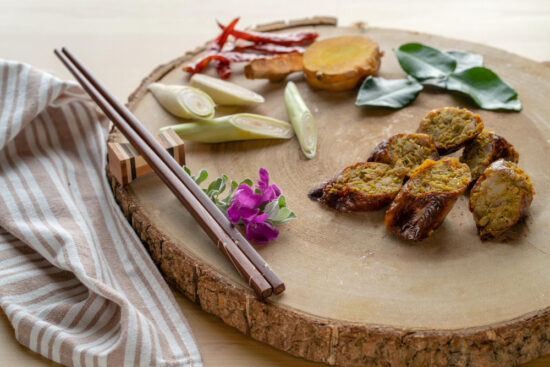
Bamboo pith dishes: Delicate, sponge-like plant structure in traditional cooking
Anshika Jain - October 27, 2026Traditional cuisines often transform unusual natural ingredients into dishes celebrated for their texture, aroma, and ability to absorb flavour. Bamboo pith is one such ingredient, valued in…
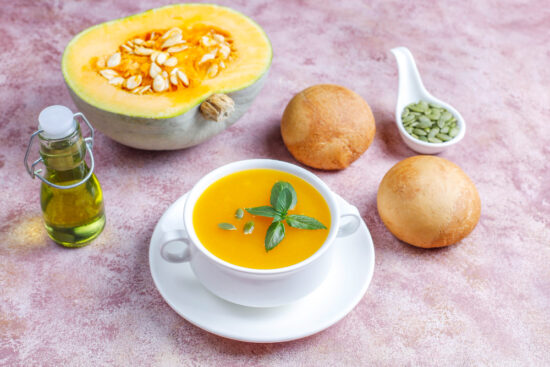
Sunchoke Puree: The Relationship Between Inulin, Texture, and Digestive Tolerance
Anshika Jain - October 27, 2026Sunchoke purée is an example of how the chemistry of a vegetable can shape its culinary character and its effects on digestion. Sunchokes, also known as Jerusalem…

Taro Leaf Rolls: Leaf Structure and Safe Cooking Influence a Wrapped Vegetable Dish
Anshika Jain - October 26, 2026Taro leaf rolls demonstrate how a simple leafy vegetable can become the foundation of a distinctive and satisfying dish. Found in different forms across tropical regions, taro…
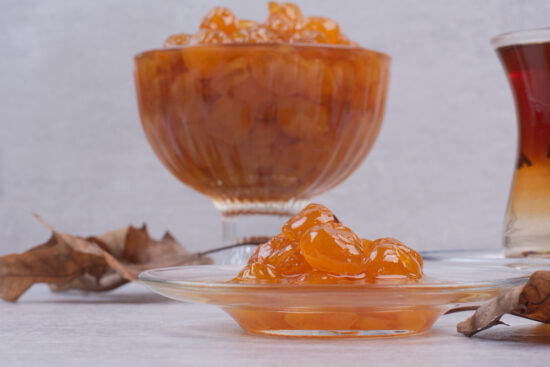
Acorn Jelly: Korean Dotorimuk and the Science of Starch
Anshika Jain - October 26, 2026Acorn jelly is a distinctive food made by transforming the seeds of oak trees into a smooth, firm, sliceable preparation. Best known in Korea as dotori-muk or…
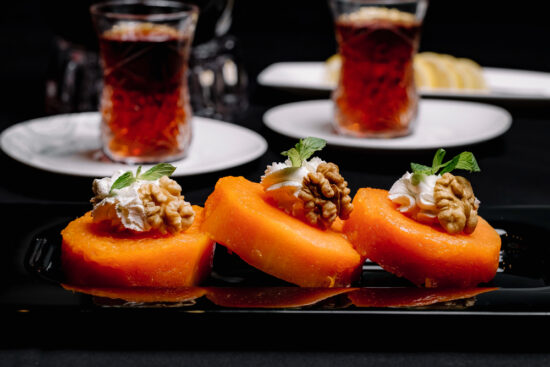
Kabak Tatlisi: Turkish Pumpkin Dessert with a Glossy, Syrupy Finish
Anshika Jain - October 26, 2026Kabak Tatlısı is a traditional Turkish dessert that transforms an everyday autumn vegetable into a glossy, syrup-coated sweet through a remarkably simple cooking process. Prepared by slowly…
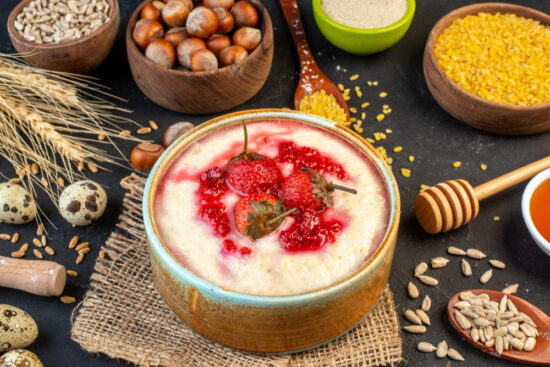
Moustalevria: Traditional Greek Grape-Must Pudding with Natural Sweetness
Anshika Jain - October 26, 2026Moustalevria is a traditional Greek dessert made primarily from grape must, the freshly pressed juice of grapes that contains their pulp, skins, and sometimes seeds before fermentation.…
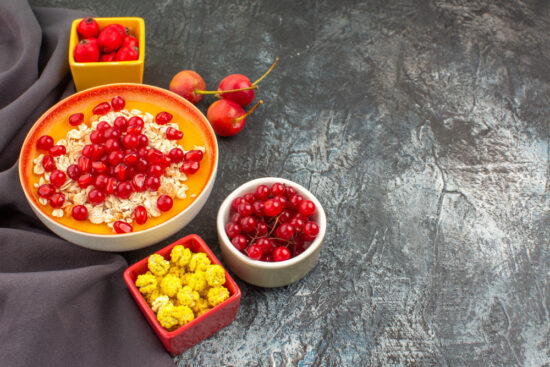
Kisiel: Traditional Fruit Dessert That Reveals the Science of Starch Thickening
Anshika Jain - October 26, 2026Kisiel is a traditional fruit-based dessert popular in Poland and several other parts of Central and Eastern Europe. Made by thickening fruit juice, fruit puree, or a…

Tinginys: Lithuania’s No-Bake Biscuit Dessert with a Distinctive Chocolate Mosaic
Anshika Jain - October 26, 2026Tinginys is a traditional Lithuanian no-bake dessert known for its rich cocoa flavour, sweet biscuit pieces, and distinctive mosaic-like appearance. Made by combining broken biscuits with a…
