

Shiro: Exploring the Rich Flavours of Japanese Cuisine

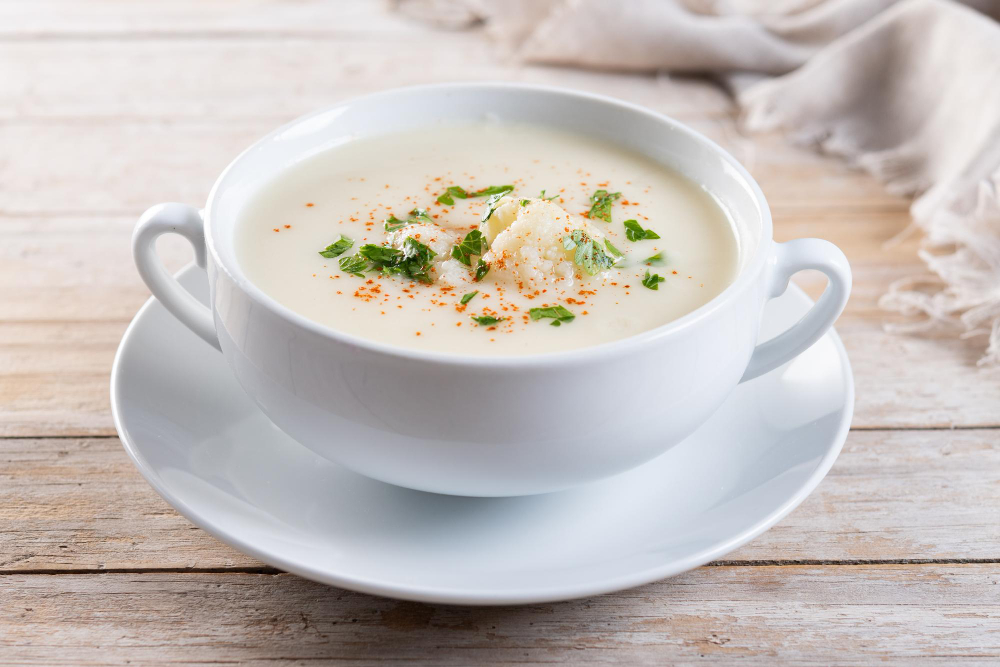
Japanese cuisine is celebrated around the world for its balance, simplicity, seasonal ingredients and respect for natural flavours. While sushi, ramen, tempura and miso soup have become globally recognised, Japan has a much broader culinary tradition filled with regional dishes, traditional ingredients and lesser-known preparations. Among these is Shiro, a term associated with several Japanese culinary traditions and ingredients, most notably white-coloured foods and preparations. Understanding Shiro requires looking beyond the literal meaning of the word and exploring how colour, texture, seasonality and presentation influence Japanese food culture.
The word “shiro” generally means “white” in Japanese. In food culture, the term can appear in the names of ingredients, dishes and culinary preparations where whiteness is an important visual or descriptive characteristic. Depending on the context, Shiro may refer to white sesame, white miso, white bean preparations, or other pale ingredients. Because the word is used in different culinary contexts, it is important not to treat Shiro as one universally defined dish. Instead, it represents a fascinating entry point into Japan’s appreciation for subtle colours, delicate flavours and carefully selected ingredients.
For vegetarian food lovers, Shiro-related preparations can be particularly interesting because many traditional Japanese ingredients are naturally plant-based. They demonstrate how Japanese cooking can create satisfying dishes without relying heavily, while maintaining a strong emphasis on umami, texture and balance.
Understanding the Meaning of Shiro
The simplest translation of “shiro” is “white,” and colour has an important role in Japanese culture and cuisine. Japanese food presentation often pays close attention to contrast, harmony and visual balance. White foods can represent purity, simplicity and elegance, making pale ingredients visually significant in traditional meals.
When Shiro appears in the name of a Japanese food, it may describe the colour of the ingredient or distinguish it from a darker or more strongly flavoured counterpart. This naming tradition reflects the Japanese tendency to appreciate small differences between ingredients and preparations.
For someone encountering the word Shiro outside Japan, the most important point is that its meaning depends on context. It may not always identify one particular recipe in the way that “sushi” or “tempura” does. Instead, Shiro can form part of a wider culinary vocabulary that describes ingredients and preparations.
Shiro and the Japanese Philosophy of Simplicity
One of the defining characteristics of Japanese cuisine is the idea that food does not always need to be complicated to be delicious. Rather than covering ingredients with heavy sauces or excessive seasoning, Japanese cooking often attempts to preserve and highlight their natural character.
This philosophy can be seen in many Shiro-associated foods. White ingredients may have delicate flavours and subtle aromas, encouraging cooks to use seasoning carefully. The resulting food can appear simple while requiring considerable attention to ingredient quality and preparation.
This approach is very different from cuisines where strong spices, rich sauces or elaborate combinations dominate the plate. Japanese cooking often creates complexity through contrast, temperature, texture and umami rather than relying solely on intense seasoning.
The Importance of White Ingredients in Japanese Cooking
Japan has a wide variety of naturally white or pale ingredients. Rice, tofu, daikon radish, white sesame, certain mushrooms, noodles and fermented products can all contribute light colours to Japanese meals.
Rice is perhaps the most familiar example. Steamed Japanese rice has a clean white appearance and serves as the foundation of countless meals. Its mild flavour makes it an ideal partner for vegetables, pickles, soups and fermented foods.
Tofu is another important ingredient. Made from soybeans, tofu has a soft texture and subtle flavour that allows it to absorb the character of accompanying ingredients. It can be served chilled, cooked in soups, grilled or incorporated into numerous vegetarian preparations.
White sesame is also valued for its delicate nutty flavour. It may be sprinkled over vegetables, rice and noodles or incorporated into sauces and dressings.
Shiro and White Miso
One of the most interesting connections to the concept of Shiro is shiro miso, commonly translated as white miso. Miso is a traditional Japanese fermented soybean paste available in several varieties, with differences in colour, flavour, fermentation period and regional tradition.
White miso is generally lighter in colour and often sweeter and milder than darker varieties. It is particularly associated with Japanese culinary traditions that appreciate gentle flavours.
White miso can be used in soups, sauces, marinades and dressings. For vegetarian cooking, it can be especially useful because fermentation gives it a rich umami character that can make vegetable dishes more satisfying.
A simple vegetable soup prepared with white miso can have a remarkably deep flavour despite containing relatively few ingredients. This demonstrates one of the central strengths of Japanese cuisine: using fermentation and naturally flavourful ingredients to create depth.
Shiro Goma and the Role of Sesame
Another important Shiro-associated ingredient is shiro goma, or white sesame seeds. Sesame has been part of Japanese cooking for centuries and appears in both traditional and contemporary dishes.
White sesame seeds can be toasted to intensify their nutty aroma before being sprinkled over rice, vegetables, noodles or tofu. They may also be ground to create sauces and dressings.
The appeal of sesame lies not only in its flavour but also in its texture. A small amount can add crunch to an otherwise soft dish, creating contrast and making a simple meal more interesting.
This emphasis on texture is characteristic of Japanese cuisine. A successful dish is often expected to offer several sensations rather than simply one dominant flavour.
A Vegetarian Perspective on Shiro
Japanese cuisine offers many possibilities for vegetarians, although traditional Japanese food is not automatically vegetarian. Some soups, sauces and broths may contain ingredients such as bonito flakes or dashi. Therefore, people following a strict vegetarian or vegan diet need to check ingredients carefully.
However, many Shiro-related ingredients can easily become part of vegetarian cooking. Tofu, sesame, rice, vegetables, mushrooms and miso can form the basis of nutritious and flavourful meals.
Vegetarian adaptations can replace dashi with kombu, shiitake mushrooms or other plant-based ingredients that provide umami. This allows cooks to preserve the depth of Japanese flavours while keeping the preparation vegetarian.
The Art of Balancing Flavour
Japanese cuisine often revolves around balance rather than intensity. Sweet, salty, sour, bitter and umami sensations can be combined carefully to produce a harmonious dish.
Shiro-associated ingredients frequently contribute subtle flavours that allow other components to remain visible. White miso, for example, can provide sweetness and umami without overpowering vegetables. Sesame can add nuttiness while maintaining a relatively delicate profile.
This balance is particularly valuable in vegetarian cooking. Vegetables have individual flavours that can easily be lost under excessive seasoning. Japanese techniques often allow these flavours to remain distinct.
Texture: An Essential Part of the Experience
Japanese food culture places considerable emphasis on texture. A dish can combine soft tofu, crisp vegetables, chewy noodles, crunchy sesame and delicate rice within the same meal.
Shiro ingredients can contribute to this textural variety. Sesame seeds create a subtle crunch, tofu provides softness and rice offers a gentle, slightly sticky texture.
The combination creates an experience that is more complex than appearance might suggest. What looks like a simple bowl of rice and vegetables can offer several layers of texture and flavour.
Shiro and Seasonal Japanese Cooking
Seasonality is another fundamental principle of Japanese cuisine. Traditional Japanese cooking often changes according to the ingredients available during different times of the year.
Rather than attempting to make every ingredient available throughout the year, Japanese culinary traditions celebrate seasonal produce. Spring vegetables, summer ingredients, autumn mushrooms and winter root vegetables can each influence the character of meals.
White ingredients can also participate in this seasonal approach. Daikon, tofu, mushrooms, rice and sesame can be combined differently depending on the season.
This approach encourages people to appreciate food not simply as nourishment but as an expression of time and place.
Presentation and the Beauty of White
The colour white has particular visual importance in Japanese food presentation. A white bowl or plate can create a neutral background that allows colourful vegetables and garnishes to stand out.
Even a simple meal can therefore appear elegant when carefully arranged. The goal is not necessarily elaborate decoration but harmony between the food, plate and surrounding space.
This principle is closely related to the Japanese appreciation of minimalism. Empty space can be part of the presentation rather than something that must be filled.
Shiro, as a concept associated with whiteness, fits naturally into this visual philosophy.
Shiro in Modern Japanese Cuisine
Japanese cuisine has changed considerably over time, and contemporary chefs continue to reinterpret traditional ingredients. Shiro-associated foods are now used in modern recipes ranging from fusion dishes to plant-based meals.
White miso can appear in vegetable glazes and salad dressings. Sesame may be incorporated into contemporary sauces. Tofu can be transformed into desserts or used as a protein-rich component in modern bowls.
International chefs have also embraced Japanese ingredients because they provide distinctive flavours without requiring complicated preparation.
This has helped Japanese culinary traditions reach audiences who may never have encountered them in their original cultural context.
Health and Nutritional Qualities
Many ingredients commonly associated with Shiro can contribute valuable nutrients to a balanced vegetarian diet. Sesame provides fats, protein and minerals, while tofu offers plant-based protein. Vegetables provide vitamins, minerals and dietary fibre, while fermented miso contributes flavour and can be incorporated into meals in relatively small amounts.
However, the nutritional value of any dish depends on its overall preparation. Some sauces and fermented products can contain significant amounts of sodium, while fried preparations may contain more fat and calories.
The healthiest approach is therefore to consider Shiro-associated ingredients as components of a balanced diet rather than automatically treating every Japanese preparation as a health food.
How Shiro-Inspired Food Can Be Enjoyed at Home
One of the appealing aspects of Japanese cooking is that many basic techniques are accessible to home cooks. A simple Shiro-inspired vegetarian meal could combine steamed rice, lightly cooked seasonal vegetables, tofu and a white sesame or white miso dressing.
The objective should not be to create an elaborate restaurant-style plate. Instead, the focus can be on ingredient quality, balance and careful preparation.
Toasting sesame seeds, cutting vegetables consistently and preparing a balanced dressing can transform simple ingredients into an elegant meal.
The key is restraint. Too much sauce or seasoning can hide the delicate qualities that make these ingredients interesting.
Why Shiro Is Interesting for Global Food Lovers
Global interest in Japanese food has grown because Japanese cuisine offers something different from many other culinary traditions. It combines simplicity with sophistication, and familiar ingredients can be transformed through techniques that emphasise texture and umami.
For vegetarian food lovers, this is particularly valuable. Japanese cuisine demonstrates that plant-based meals can be delicate, satisfying and visually appealing without relying on heavy spices or rich sauces.
Exploring Shiro and related Japanese ingredients also encourages people to think differently about food. Colour, texture, seasonality and presentation become part of the culinary experience.
Preserving Tradition While Embracing Modern Tastes
Traditional Japanese food continues to evolve. Younger cooks, restaurants and international chefs are experimenting with familiar ingredients while introducing new techniques and dietary approaches.
Vegetarianism and veganism have also encouraged reinterpretations of Japanese dishes. Plant-based dashi, tofu-based dishes, vegetable sushi and creative miso preparations demonstrate how traditional flavours can adapt to changing preferences.
This evolution does not necessarily mean abandoning tradition. Instead, it can help traditional ingredients remain relevant to new generations.
Shiro provides an interesting example of how a simple culinary concept can connect traditional Japanese aesthetics with contemporary food culture.
The Cultural Meaning Behind Simple Food
Perhaps the most valuable lesson from Shiro is that simplicity does not mean a lack of sophistication. Japanese culinary culture shows how careful attention to basic ingredients can create a memorable experience.
A white sesame seed, a piece of tofu or a spoonful of white miso may appear ordinary when considered separately. Yet when these ingredients are selected carefully and prepared with attention, they can become part of a meal that reflects Japanese ideas of balance, restraint and harmony.
This perspective is increasingly relevant in modern food culture, where consumers are becoming more interested in ingredient quality, sustainability, plant-based eating and mindful consumption.
Conclusion
Shiro offers a fascinating window into Japanese culinary culture. Although the word itself simply means “white,” its connection with Japanese food opens the door to a much broader exploration of ingredients such as white miso, white sesame, tofu, rice and other pale foods that contribute to Japan’s distinctive culinary identity.
The significance of Shiro lies not in one single recipe but in the ideas surrounding it. Japanese cuisine demonstrates how colour, texture, seasonality, fermentation and simplicity can work together to create food that is both visually elegant and deeply satisfying.
For vegetarian food enthusiasts, these traditions offer numerous possibilities. Plant-based ingredients can provide protein, texture, flavour and nourishment when combined thoughtfully. At the same time, the Japanese emphasis on moderation and natural flavours encourages a more mindful approach to cooking.
As Japanese cuisine continues to influence food culture around the world, ingredients and concepts associated with Shiro are likely to remain relevant. They represent something timeless: the ability to transform simple ingredients into meaningful culinary experiences through patience, balance and respect for food.
In a world where food is often made increasingly elaborate, Shiro reminds us that sometimes the most memorable dishes begin with something remarkably simple.
Online Internship with Certificate
You may be interested
Atakilt Wat: Exploring Ethiopia’s Flavourful Vegetable Stew
Anshika Jain - September 15, 2026Atakilt Wat is a traditional Ethiopian vegetable dish known for its warm spices, colourful vegetables, and comforting texture. Made primarily with cabbage, potatoes, carrots, onions, garlic, and…

Arancini: Italy’s Golden Rice Balls Filled with Tradition and Flavour
Anshika Jain - September 15, 2026Arancini are one of Italy’s most recognisable street foods, celebrated for their crisp golden exterior, creamy rice centre, and deliciously rich fillings. Originating in Sicily, these fried…
Tangyuan: The Traditional Chinese Rice Balls Symbolising Family and Togetherness
Anshika Jain - September 15, 2026Tangyuan is one of the most recognisable traditional sweets in Chinese cuisine, known for its soft, chewy texture, delicate appearance and deep cultural symbolism. Made primarily from…
Most from this category


Dolmades: A Taste of Greek Tradition Wrapped in Grape Leaves
Anshika Jain - September 15, 2026
Atakilt Wat: Exploring Ethiopia’s Flavourful Vegetable Stew
September 15, 2026
Arancini: Italy’s Golden Rice Balls Filled with Tradition and Flavour
September 15, 2026
Dolmades: A Taste of Greek Tradition Wrapped in Grape Leaves
September 15, 2026

Leave a Comment