

Tangyuan: The Traditional Chinese Rice Balls Symbolising Family and Togetherness

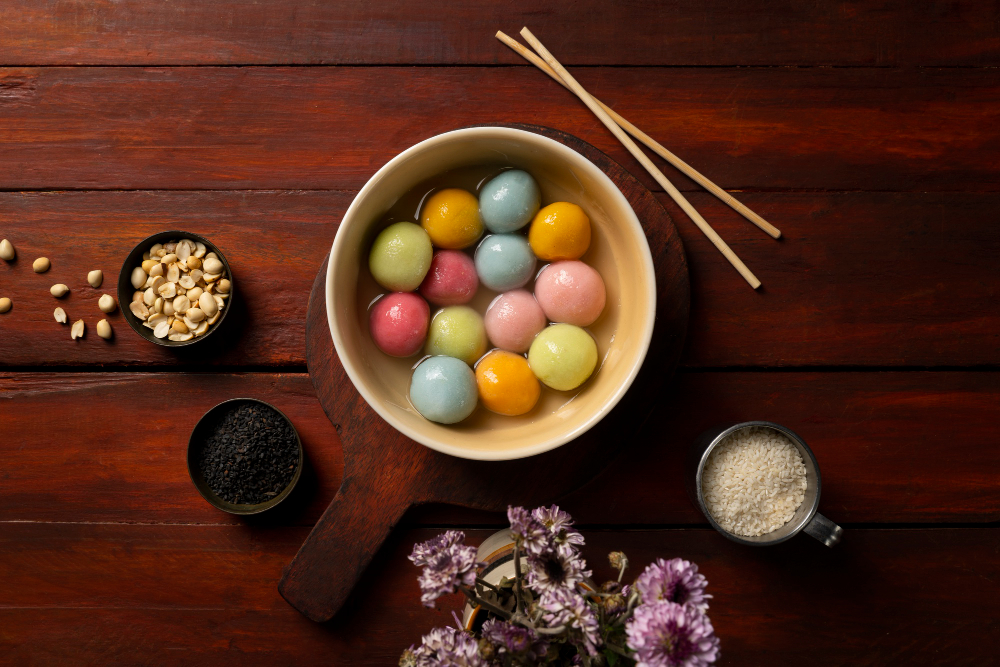
Tangyuan is one of the most recognisable traditional sweets in Chinese cuisine, known for its soft, chewy texture, delicate appearance and deep cultural symbolism. Made primarily from glutinous rice flour, tangyuan are small round dumplings that can be filled with ingredients such as black sesame paste, peanuts, red bean paste or sweetened fillings. They are commonly cooked in water and served in a warm, lightly sweetened soup, creating a comforting dessert that combines simplicity with rich culinary tradition.
What makes tangyuan particularly meaningful is the symbolism associated with their round shape. In Chinese culture, circles are often connected with completeness, unity and togetherness. As a result, tangyuan are closely associated with family gatherings and celebrations, especially the Lantern Festival. Eating these round rice balls with family represents reunion and harmony, making the dish an important part of traditional festive culture.
Although tangyuan originated within Chinese culinary traditions, different regions have developed their own styles, fillings and preparation methods. Some varieties are sweet and served as desserts, while savoury versions can also be found in certain areas. Their popularity has expanded beyond traditional celebrations, and tangyuan are now enjoyed throughout the year in homes, restaurants and Chinese communities around the world.
What Is Tangyuan?
Tangyuan are small, round dumplings made from glutinous rice flour and water. The dough is soft and elastic, allowing it to be shaped easily into smooth balls. Depending on the recipe, tangyuan may be filled or unfilled. Filled varieties are generally more associated with sweet dessert preparations, while plain tangyuan can be served in flavoured soups.
The texture is one of the most distinctive characteristics of tangyuan. When cooked, the glutinous rice dough becomes soft, chewy and slightly sticky. This texture is very different from ordinary rice-based desserts and is one of the reasons tangyuan have such a unique culinary identity.
Traditional sweet tangyuan often contain a rich filling. Black sesame is among the most popular options, creating a combination of nutty, aromatic and slightly sweet flavours. Peanut, red bean and other fillings are also common. The filling remains soft inside the chewy outer layer, producing an appealing contrast.
Tangyuan are usually served in a warm liquid. The soup may be lightly sweetened with sugar and flavoured with ingredients such as ginger, creating a simple but fragrant accompaniment. Some modern versions use floral, fruit or other creative flavours, demonstrating how the traditional dessert continues to evolve.
The Meaning Behind the Name and Shape
The round shape of tangyuan is central to its cultural significance. In Chinese traditions, roundness can symbolise reunion, completeness and family unity. This symbolic association is particularly important during festivals when family members gather together.
The name tangyuan is also closely associated with the idea of roundness and togetherness in Chinese cultural contexts. The visual appearance of the dessert reinforces its meaning: small, smooth spheres gathered together in a bowl create a simple representation of a family coming together.
This symbolism explains why tangyuan are especially important during occasions such as the Lantern Festival. The dessert is not simply consumed for its flavour. Sharing it can represent the hope for harmony, happiness and family unity.
Food often carries meanings that go beyond nutrition, and tangyuan provide a strong example of this principle. Their ingredients and preparation are relatively simple, yet the cultural meaning attached to the finished dish gives it a much greater significance.
The History of Tangyuan
Tangyuan have a long history within Chinese food culture, with their development closely connected to traditions surrounding festivals and family gatherings. The dish has evolved over time, and historical accounts associate similar glutinous rice dumplings with various regional traditions.
The Lantern Festival is particularly important in the history and cultural development of tangyuan. Celebrated on the fifteenth day of the first month of the traditional Chinese lunar calendar, the festival marks the conclusion of the Lunar New Year celebrations. Lantern displays, family gatherings and traditional foods are important elements of the occasion.
Tangyuan became closely connected with the festival because their round shape represented reunion and completeness. Eating them provided families with both a festive food experience and an opportunity to express hopes for harmony and prosperity.
Different regions developed different names and preparations for similar rice dumplings. In northern China, a related preparation is commonly known as yuanxiao, and its production method differs from southern-style tangyuan. Although these foods are often discussed together, the distinction between them is important from a culinary perspective.
Tangyuan and the Lantern Festival
The Lantern Festival is one of the most important occasions associated with tangyuan. The festival traditionally brings the Lunar New Year period to a close and is celebrated with lantern displays, family activities and various traditional foods.
Tangyuan fit naturally into this celebration because their shape carries the idea of reunion. Families may gather around the table to enjoy bowls of warm tangyuan, creating a comforting conclusion to the holiday period.
The relationship between tangyuan and the Lantern Festival demonstrates how food can become part of a larger cultural experience. The dessert connects culinary practice with family, symbolism, celebration and seasonal tradition.
In modern times, Lantern Festival celebrations can take place in homes, community centres, restaurants and public cultural events. Tangyuan remain an important part of these celebrations, allowing younger generations to participate in a tradition that has been passed down for generations.
The Main Ingredient: Glutinous Rice Flour
Glutinous rice flour is the foundation of tangyuan. Despite its name, glutinous rice does not contain gluten in the same way wheat does. The term refers to its characteristic sticky and chewy texture when cooked.
When mixed with water, glutinous rice flour forms a soft dough that can be shaped into small balls. Once placed in boiling water, the dough becomes tender and chewy while maintaining enough structure to hold its shape.
The flour is responsible for much of the sensory identity of tangyuan. Without its characteristic elasticity and chewiness, the dessert would lose the texture that distinguishes it from ordinary rice dumplings.
The simplicity of the dough also allows the filling to become the main source of flavour. This makes tangyuan highly adaptable, as different fillings can be incorporated without changing the fundamental preparation.
Popular Tangyuan Fillings
Black sesame is one of the most iconic fillings used in sweet tangyuan. Ground black sesame is combined with sugar and often a fat such as butter, lard or another ingredient to create a smooth, rich paste. When the dumpling is opened, the dark filling contrasts beautifully with the pale rice exterior.
Peanut is another popular filling. Roasted peanuts can be ground and combined with sugar to create a fragrant and slightly crunchy or creamy centre. The nutty flavour works particularly well with the neutral taste of glutinous rice dough.
Red bean paste is also widely used in Chinese desserts and can provide tangyuan with a smooth, sweet and earthy filling. Other modern variations may incorporate chocolate, fruit, coconut, taro or matcha-inspired flavours.
The variety of fillings illustrates the adaptability of tangyuan. While traditional fillings remain popular, contemporary cooks and dessert businesses have experimented with new combinations to appeal to changing tastes.
How Tangyuan Are Traditionally Prepared
Preparing tangyuan begins with creating the glutinous rice dough. Glutinous rice flour is gradually mixed with water until a smooth and workable dough forms. The dough needs to be soft enough to shape but firm enough to hold the filling.
For filled tangyuan, a small piece of dough is flattened and shaped into a thin wrapper. A portion of filling is placed in the centre, after which the dough is carefully closed around it. The dumpling is then rolled between the hands until it becomes a smooth sphere.
The shaping process requires some care. If too much filling is added, the dough may split during cooking. If the wrapper is uneven, the dumpling may not cook consistently. Experienced cooks develop a sense of how much filling and dough are required to create a balanced dumpling.
The finished tangyuan are placed into boiling water. As they cook, they generally become more tender and may rise toward the surface. Once cooked, they can be transferred directly into a serving bowl containing warm sweet soup.
The Traditional Sweet Soup
Tangyuan are often served in a simple sweet soup that complements rather than overwhelms the dumplings. Ginger syrup is one traditional option, offering warmth and fragrance alongside the mild sweetness of the rice balls.
A ginger-based soup may be made by simmering fresh ginger with water and sugar. The result is aromatic, lightly spicy and refreshing. It creates a pleasant contrast with rich fillings such as black sesame and peanut.
Other variations may use plain sugar syrup or incorporate ingredients such as fermented rice, osmanthus, red dates or other flavourings. Modern restaurants may also experiment with fruit-based or floral broths.
The soup is an important part of the overall experience because tangyuan are not simply eaten as dry dumplings. The warm liquid adds moisture, aroma and temperature contrast, making the dessert particularly comforting during colder seasons.
Sweet and Savoury Tangyuan
Although sweet tangyuan are the most internationally recognised variety, savoury versions also exist. In some regional Chinese cuisines, glutinous rice dumplings may be filled with ingredients such as meat, vegetables or other savoury combinations.
Savoury tangyuan demonstrate the flexibility of glutinous rice dough. The neutral outer layer can carry different flavour profiles depending on the filling and cooking method.
Sweet tangyuan, however, have become especially associated with festivals and desserts. Their popularity outside China has also largely been driven by sweet varieties, particularly those filled with black sesame or peanuts.
The difference between sweet and savoury preparations highlights the broader diversity of Chinese cuisine. A single basic technique can produce foods suited to completely different meals and occasions.
Regional Differences in Chinese Rice Dumplings
China’s enormous geographic and cultural diversity has resulted in numerous interpretations of glutinous rice dumplings. One of the most important distinctions is between southern-style tangyuan and northern-style yuanxiao.
Tangyuan are traditionally associated with southern regions and are generally made by wrapping filling with glutinous rice dough. Yuanxiao, associated particularly with northern traditions, are traditionally produced using a different method in which a prepared filling is coated with layers of glutinous rice flour.
The resulting textures and appearances can differ. Tangyuan tend to have a smooth exterior, while yuanxiao can have a somewhat different surface and texture because of their preparation method.
Despite these distinctions, both foods are connected with the Lantern Festival and share the broader cultural symbolism of reunion and celebration.
Tangyuan as a Symbol of Family Reunion
Perhaps the most important characteristic of tangyuan is not their flavour but their symbolism. The round shape represents completeness and reunion, making the dessert particularly meaningful when families gather.
Sharing tangyuan can become a ritual of togetherness. Parents and grandparents may prepare the dumplings with younger family members, turning cooking into an opportunity for conversation and cultural education.
The tradition also demonstrates how food can preserve memories. A person may associate the taste of black sesame tangyuan with childhood celebrations, family gatherings or a particular festival. These emotional connections help traditional foods survive even as lifestyles change.
For people living away from their hometowns or families, preparing tangyuan during festivals can also provide a sense of connection with cultural heritage.
Tangyuan in Modern Chinese Food Culture
Although tangyuan are rooted in tradition, they have adapted successfully to contemporary food culture. Restaurants and dessert shops now offer colourful and creatively flavoured versions designed to attract younger consumers.
Natural ingredients may be used to create different colours, while fillings can include modern combinations inspired by international desserts. Matcha, chocolate, mango, coconut and other flavours have appeared in contemporary interpretations.
Social media has also influenced the presentation of tangyuan. Their small, colourful and visually distinctive appearance makes them suitable for food photography and short-form video content. Modern presentation can introduce traditional foods to audiences who may not have encountered them before.
However, innovation does not necessarily replace tradition. Classic black sesame and peanut tangyuan remain popular, particularly during festivals. Instead, modern variations exist alongside traditional recipes, allowing the dessert to appeal to multiple generations.
Nutritional Characteristics of Tangyuan
Tangyuan are primarily made from glutinous rice flour, meaning they are mainly a source of carbohydrates. Filled versions can also contain significant amounts of fat and sugar depending on the filling.
Black sesame and peanut fillings may contribute some protein, minerals and unsaturated fats, but sweetened fillings can also increase the overall calorie content. Because tangyuan are generally eaten as a dessert or festive food, they are best understood as an occasional part of a balanced diet rather than an everyday staple.
Portion size is also important. Tangyuan are relatively small, but their dense glutinous rice exterior and sweet filling can make them satisfying. Enjoying them mindfully allows people to appreciate their texture and cultural significance without treating the dessert as an ordinary snack.
Tangyuan and Vegetarian Cuisine
Many traditional sweet tangyuan are naturally vegetarian, making them an attractive choice for people who follow vegetarian diets. Fillings such as black sesame, peanuts and red bean can provide rich flavour without requiring meat or animal-based ingredients.
However, ingredients should always be checked because some traditional recipes may use animal fats in certain fillings. Modern vegetarian and vegan versions can easily replace these ingredients with plant-based alternatives.
The basic dough itself is remarkably simple, requiring primarily glutinous rice flour and water. This makes tangyuan a good example of how traditional Chinese desserts can fit into modern plant-based eating patterns while preserving their essential character.
The Global Popularity of Tangyuan
As Chinese cuisine has gained international recognition, tangyuan have become increasingly familiar outside China. They can now be found in Chinese restaurants, Asian dessert shops and specialty food stores in many countries.
Their popularity is partly due to the growing international interest in Asian desserts with distinctive textures. The chewy quality of glutinous rice-based foods is particularly appealing to people exploring different culinary traditions.
Tangyuan have also benefited from the popularity of other glutinous rice desserts across East and Southeast Asia. Consumers who enjoy mochi and similar foods may find tangyuan familiar in texture while discovering new flavours and cultural meanings.
This international exposure has helped transform tangyuan from a primarily regional festive food into a dessert recognised by a much broader audience.
Why Tangyuan Continue to Matter
Tangyuan remain relevant because they combine taste with cultural meaning. They are easy to recognise, enjoyable to eat and deeply connected with ideas of family and reunion.
Their adaptability has also contributed to their survival. Traditional recipes can be preserved while new fillings and presentations are introduced. This allows tangyuan to remain relevant to younger generations without abandoning their historical identity.
In a rapidly changing food culture, traditional dishes often survive when they can balance continuity and innovation. Tangyuan demonstrate this balance particularly well. The basic ingredients and round shape remain familiar, while flavours, colours and serving styles continue to evolve.
Conclusion
Tangyuan are far more than simple sweet rice balls. They represent a rich combination of Chinese culinary craftsmanship, family traditions and cultural symbolism. Their soft, chewy glutinous rice exterior, fragrant fillings and warm sweet soup create a distinctive eating experience, while their round shape carries the deeper meaning of unity, completeness and reunion.
From the traditional Lantern Festival table to modern dessert shops around the world, tangyuan continue to connect generations through food. Black sesame, peanut and red bean fillings preserve familiar flavours, while contemporary interpretations demonstrate the ability of this traditional dessert to evolve with changing tastes.
Ultimately, the enduring appeal of tangyuan lies in their ability to turn a simple dessert into a meaningful cultural experience. Sharing a bowl of these delicate rice dumplings is not only about enjoying sweetness and texture; it is also about celebrating family, remembering traditions and welcoming the sense of togetherness that food can create. Tangyuan therefore remain an important and cherished part of Chinese culinary heritage, with a place both in traditional celebrations and in the evolving world of global cuisine.
Online Internship with Certificate
You may be interested
Atakilt Wat: Exploring Ethiopia’s Flavourful Vegetable Stew
Anshika Jain - September 15, 2026Atakilt Wat is a traditional Ethiopian vegetable dish known for its warm spices, colourful vegetables, and comforting texture. Made primarily with cabbage, potatoes, carrots, onions, garlic, and…
Arancini: Italy’s Golden Rice Balls Filled with Tradition and Flavour
Anshika Jain - September 15, 2026Arancini are one of Italy’s most recognisable street foods, celebrated for their crisp golden exterior, creamy rice centre, and deliciously rich fillings. Originating in Sicily, these fried…
Dolmades: A Taste of Greek Tradition Wrapped in Grape Leaves
Anshika Jain - September 15, 2026Dolmades are among the most recognisable and culturally significant dishes associated with Greek and broader Eastern Mediterranean cuisine. Delicate grape leaves are carefully wrapped around a flavourful…
Most from this category
Atakilt Wat: Exploring Ethiopia’s Flavourful Vegetable Stew
September 15, 2026
Arancini: Italy’s Golden Rice Balls Filled with Tradition and Flavour
September 15, 2026
Dolmades: A Taste of Greek Tradition Wrapped in Grape Leaves
September 15, 2026
Shiro: Exploring the Rich Flavours of Japanese Cuisine
September 15, 2026

Leave a Comment