

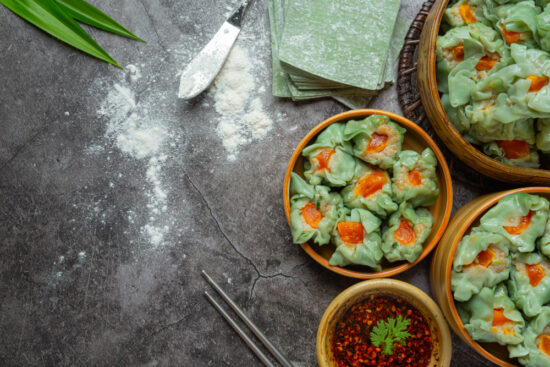
Anishi Curry: How Fermented Leaf Cakes Create a Distinctive Flavour in Naga Cuisine
Anshika Jain - October 22, 2026Across the diverse food traditions of Northeast India, fermentation is much more than a method of preserving ingredients. It is a way of developing flavour, extending the…
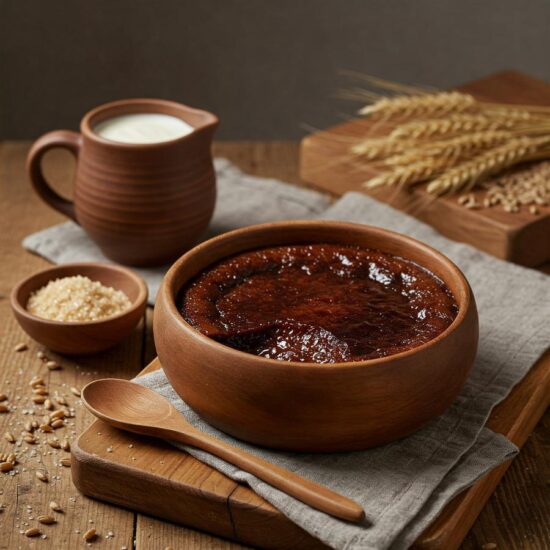
Mammi: The Dark Finnish Easter Dessert Shaped by Rye, Malt and Slow Cooking
Anshika Jain - October 22, 2026Among Europe's traditional sweets, few are as distinctive in appearance and preparation as mämmi, a dark, dense rye-based dessert associated with Easter in Finland. Its deep brown…
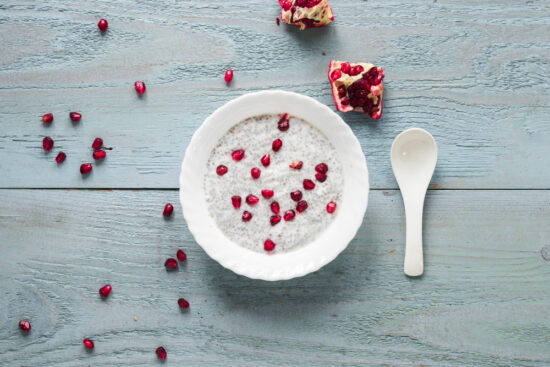
Papeda: Translucent, Elastic Sago Porridge of Eastern Indonesia
Anshika Jain - October 21, 2026Indonesia’s culinary heritage extends far beyond rice, noodles, and familiar fried dishes. Across its eastern islands, communities have developed food traditions shaped by local plants, coastal environments,…
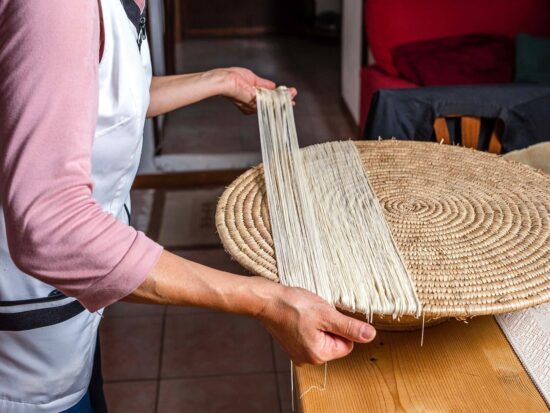
Su Filindeu: Sardinia’s Delicate Pasta Made by Repeatedly Stretching Dough
Anshika Jain - October 21, 2026Italian cuisine is famous for its remarkable diversity of pasta shapes, textures, and preparation techniques. From familiar spaghetti to intricate stuffed varieties, each form reflects regional ingredients…
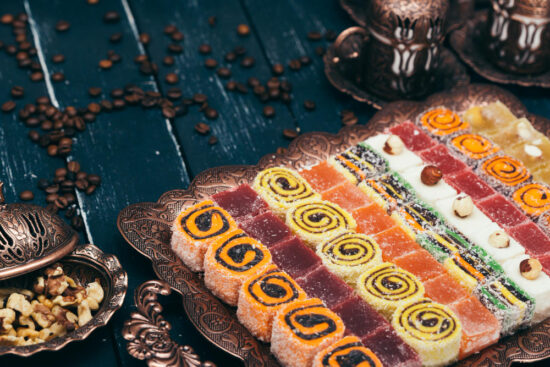
Koloocheh: Filled Pastry Decorated With Intricate Patterns
Anshika Jain - October 21, 2026Traditional pastries often tell stories about the communities that prepare them. Their ingredients reflect regional agriculture, while their shapes and preparation methods preserve generations of culinary knowledge.…
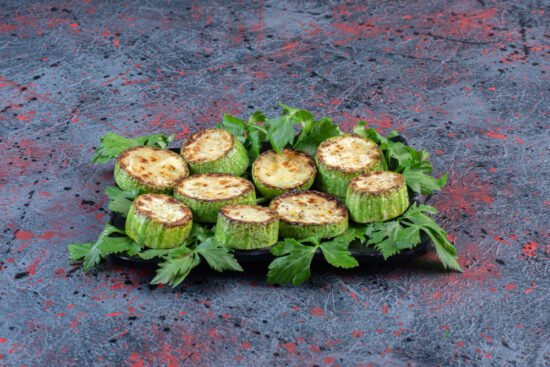
Kachri ki Sabzi: Wild Desert Melon Dish That Reflects Rajasthan’s Food Heritage
Anshika Jain - October 21, 2026Rajasthan’s traditional cuisine tells a story of adaptation, resourcefulness, and regional identity. In a landscape marked by intense heat and limited rainfall, communities have developed cooking practices…
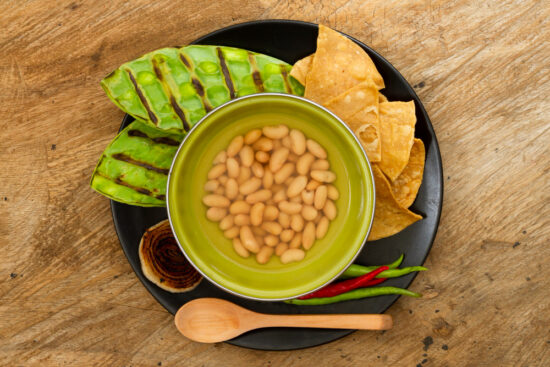
Hawaijar: The Pungent, Sticky Fermented Soybean Food of Manipur
Anshika Jain - October 21, 2026India’s culinary traditions include many fermented foods that reflect regional ingredients, environmental knowledge, and generations of food preparation. Among these distinctive preparations is Hawaijar, a traditional fermented…
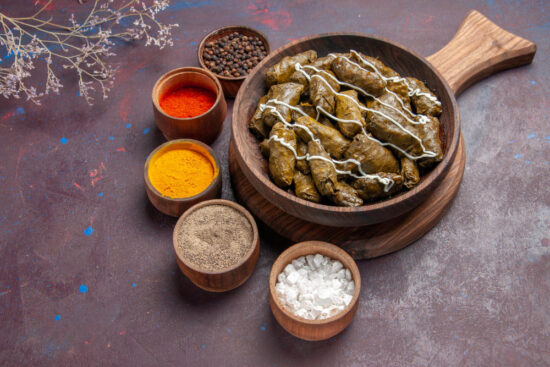
Anishi: Traditional Ao Naga Made From Fermented Colocasia Leaves
Anshika Jain - October 21, 2026Across the hills of Nagaland, traditional foods reflect a close relationship between local agriculture, seasonal ingredients, and household knowledge. Among the region’s distinctive preparations is Anishi, a…
Kachnar Kali: The Indian Flower Bud That Becomes a Vegetable
Anshika Jain - October 15, 2026In many parts of the world, flowers are admired for their beauty, fragrance and ornamental value. In India, however, certain flowers have another purpose: they become ingredients…
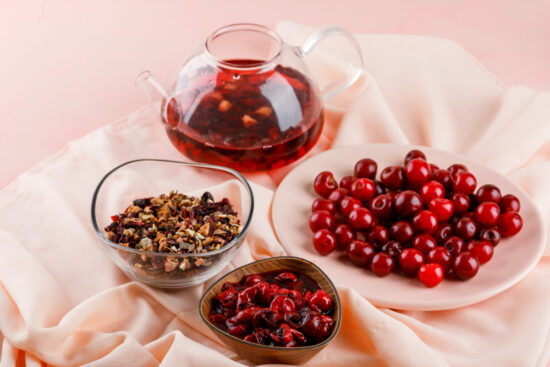
Omija-cha: Korea’s Five-Flavour Tea Made From a Single Berry
Anshika Jain - October 15, 2026Imagine a ruby-red drink that tastes sweet, sour, bitter, salty and pungent, all from a single fruit. This unusual combination is the defining characteristic of Omija-cha, a…
