

Caponata: Sicily’s Sweet-and-Sour Eggplant Dish

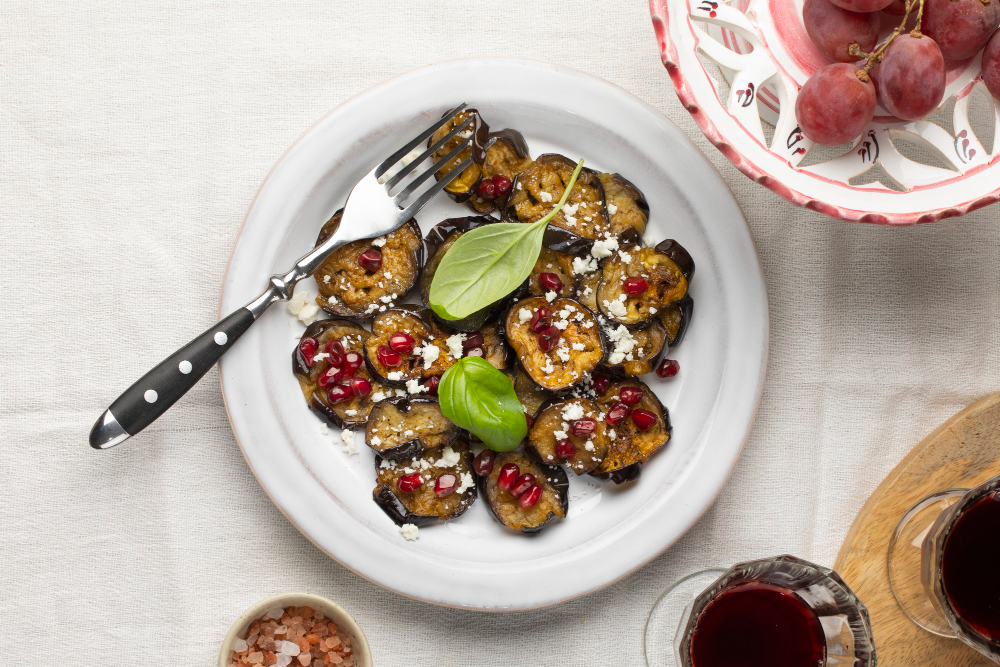
Few dishes capture the character of Sicilian cuisine as vividly as Caponata. Rich with vegetables, olive oil, tomatoes, olives, capers, celery, and a distinctive sweet-and-sour flavour, this traditional Sicilian preparation demonstrates how simple ingredients can be transformed into a dish with remarkable depth and complexity. Eggplant is usually at the centre of Caponata, providing a soft and substantial texture that absorbs the flavours of the ingredients surrounding it.
Caponata is much more than a vegetable side dish. It represents Sicily’s long culinary history and the influence of different cultures that have shaped the island over centuries. Greek, Arab, Spanish, French, and Italian traditions have all contributed to the evolution of Sicilian food, creating a cuisine known for combining contrasting flavours and making creative use of locally available ingredients.
The defining characteristic of Caponata is its agrodolce, or sweet-and-sour, flavour profile. Vinegar provides acidity while sugar or another sweet component balances that sharpness. The result is a dish in which sweetness, acidity, saltiness, richness, and savoury vegetable flavours exist together rather than separately.
Caponata can be served as an appetiser, side dish, accompaniment, or part of a larger Sicilian meal. It can be enjoyed warm, at room temperature, or chilled, making it remarkably versatile. Its flavour can also become more developed after resting, which makes it particularly suitable for preparation in advance.
Today, Caponata continues to represent the best qualities of Mediterranean vegetable cooking: seasonal ingredients, strong contrasts, generous use of olive oil, and a cooking philosophy that values flavour over complexity.
What Is Caponata?
Caponata is a Sicilian cooked vegetable preparation traditionally centred around eggplant. Although recipes differ from one part of Sicily to another, many versions include tomatoes, celery, onions, olives, capers, olive oil, vinegar, and a sweetening ingredient.
The dish is generally recognised by its combination of soft cooked vegetables and a characteristic sweet-and-sour sauce. Eggplant is usually fried or otherwise cooked until tender before being combined with a separately prepared mixture of tomatoes, onions, celery, olives, capers, and seasonings.
The final result is neither simply a vegetable stew nor a conventional eggplant dish. Its identity comes from the interaction of contrasting flavours. The richness of olive oil and eggplant is balanced by vinegar, while tomatoes contribute acidity and natural sweetness. Olives and capers introduce saltiness, and celery provides freshness and texture.
Italian food culture includes many preparations with regional identities, and Caponata is particularly associated with Sicily. Different communities and families have developed their own versions, meaning there is no single recipe that can represent every traditional preparation. This variation is part of the dish’s appeal. Caponata is defined by its culinary concept as much as by a fixed list of ingredients.
The Sicilian Roots of Caponata
Sicily occupies a unique position in the Mediterranean. Located at the crossroads of Europe, North Africa, and the eastern Mediterranean, the island has experienced centuries of cultural exchange. These influences are clearly reflected in its food.
Sicilian cuisine often combines ingredients and flavours that may initially seem unusual together. Sweet and sour combinations, citrus, dried fruit, nuts, seafood, vegetables, and aromatic herbs appear throughout the island’s culinary traditions.
The sweet-and-sour principle found in Caponata is commonly connected with the broader Mediterranean and Middle Eastern tradition of balancing acidity with sweetness. Sicily’s long history of Arab influence is particularly relevant to the development of this flavour philosophy.
Over time, local ingredients and cooking practices became intertwined with these external influences. Eggplant, for example, became deeply established in Sicilian cuisine, while tomatoes, which arrived in Europe from the Americas after the Columbian exchange, eventually became an important ingredient in Italian cooking. Caponata therefore reflects a layered culinary history rather than belonging to a single moment or influence.
Eggplant at the Heart of the Dish
Eggplant is the defining ingredient of most Caponata preparations. Its neutral flavour and absorbent texture make it particularly well suited to a dish built around strong sauces and contrasting seasonings. When fried in olive oil, it can develop a rich exterior while maintaining a tender interior.
This texture creates a substantial base for the other ingredients. The preparation of eggplant can vary. Some traditional approaches involve frying cubes or pieces in oil, while lighter modern versions may roast or sauté them. The cooking method affects the final texture and richness of the Caponata.
Properly cooked eggplant should not dominate the dish through excessive oiliness. Instead, it should absorb the tomato, vinegar, and olive flavours while remaining identifiable within the mixture. This ability to absorb surrounding flavours is one reason eggplant has become such an important ingredient in Mediterranean and Middle Eastern cooking.
The Importance of the Sweet-and-Sour Flavour
The most distinctive characteristic of Caponata is its agrodolce flavour. The Italian term combines words associated with acidity and sweetness, describing a balance rather than a single dominant taste. Vinegar contributes the sour component. Sugar is commonly used to soften its sharpness, although recipes can vary in how the balance is achieved.
The objective is not to create a dessert-like sweetness. Instead, the sweet element should make the acidity smoother and more rounded. This contrast is what gives Caponata its memorable character. The richness of eggplant and olive oil might otherwise make the dish heavy, while the vinegar provides brightness. The sweet component connects these flavours and prevents the acidity from becoming overwhelming.
Achieving this balance requires attention. Too much vinegar can make the dish harsh, while excessive sweetness can obscure the savoury character of the vegetables. A well-prepared Caponata should therefore feel balanced rather than obviously sweet or sour.
Tomatoes, Olives, and Capers
Tomatoes contribute colour, acidity, moisture, and a gentle sweetness to Caponata. They form part of the sauce that brings the vegetables together. Olives and capers are equally important because they introduce saltiness and intensity. Their flavours contrast with the sweetness of the agrodolce mixture and prevent the dish from becoming one-dimensional.
Capers have a particularly distinctive sharp and briny flavour. In combination with olives and vinegar, they create the savoury complexity that makes Caponata more than simply cooked eggplant with tomato sauce.
The quantities of these ingredients vary between recipes. Some versions are intensely salty and acidic, while others are softer and more vegetable-forward. The best versions allow each ingredient to contribute without overwhelming the others.
Celery and Aromatic Vegetables
Celery may appear modest compared with eggplant and tomatoes, but it contributes important texture and freshness. When cooked, celery develops a softer texture while retaining some of its distinctive aromatic character.
Onions are another essential component in many versions of Caponata. Their natural sweetness increases during cooking, providing a foundation for the sauce and complementing the added sweet-and-sour elements. Garlic may also be used, although its presence varies between recipes. Fresh herbs can contribute additional aroma, while black pepper and other seasonings help create depth.
These ingredients demonstrate an important characteristic of traditional vegetable cooking: flavour often comes from layering several relatively simple ingredients rather than depending on one dominant seasoning.
How Traditional Caponata Is Prepared
Although Caponata is not technically complicated, its preparation involves several stages. Eggplant is generally cut into pieces and cooked until tender. Depending on the recipe, it may be fried, sautéed, or roasted.
The tomato-based mixture is prepared separately, usually beginning with onions, celery, and other aromatic ingredients. Tomatoes are then added along with olives and capers. The sweet-and-sour component is introduced as the mixture cooks. Vinegar and sugar are combined in a way that allows the acidity to soften while the sweetness integrates with the sauce.
The cooked eggplant is eventually combined with the vegetable mixture. The ingredients are allowed to cook together so that the flavours become integrated without completely destroying the individual textures.
Resting is an important part of the process. Caponata can become more harmonious after it has had time to cool and allow the flavours to settle. For this reason, it is often considered a dish that benefits from being prepared ahead of serving.
Why Caponata Is Often Served at Room Temperature
Unlike many vegetable dishes that are best eaten immediately after cooking, Caponata is particularly well suited to room-temperature service.
As it cools, the vinegar, olive oil, tomato, olives, capers, and eggplant have more opportunity to blend. The sweet-and-sour balance can become more noticeable, and the individual ingredients become part of a more cohesive flavour.
This makes Caponata practical for gatherings and meals where dishes are served over an extended period. It can be prepared in advance and brought to the table when needed. Serving the dish at room temperature also highlights its Mediterranean character. It works naturally as part of a spread of small dishes, alongside bread, salads, cheeses, or other vegetable preparations.
Regional Variations of Caponata
Caponata is not a single rigid recipe. Sicily contains numerous culinary traditions, and different locations have developed their own versions. Some preparations include pine nuts and raisins, creating additional sweetness and texture. Others may incorporate almonds or different types of olives.
Certain versions may use additional vegetables or seafood, while others remain focused primarily on eggplant. The tomato content can also vary. Some versions are richly sauced, while others allow the fried eggplant and other vegetables to remain more prominent.
These differences demonstrate how traditional dishes evolve according to geography, availability, and family practice. The existence of multiple versions does not diminish the authenticity of Caponata. Instead, it shows that Sicilian food culture has historically been adaptable and closely connected to local ingredients.
Caponata and Sicilian Street and Home Cooking
Caponata is associated strongly with home cooking, where vegetables available from gardens or markets can be transformed into a dish with considerable flavour.
The recipe also fits the broader Sicilian tradition of making food economically and creatively. Eggplant, tomatoes, onions, celery, and other vegetables can produce a satisfying preparation without requiring expensive ingredients. This does not mean Caponata is a basic or unsophisticated dish. Its complexity comes from technique and flavour balance rather than luxury ingredients.
The dish also demonstrates the value of preserving food through preparation. A cooked vegetable dish that remains enjoyable after cooling can be prepared ahead of time, making it useful for households managing busy meals or larger gatherings. Its practicality is one reason it has survived as a culinary tradition.
The Mediterranean Appeal of Caponata
Caponata fits naturally into the broader Mediterranean food tradition because vegetables and olive oil form its foundation. Eggplant, tomatoes, onions, celery, olives, and capers are all ingredients strongly associated with Mediterranean cuisines.
Olive oil provides richness, while vinegar adds acidity and helps preserve the dish’s characteristic flavour. The combination is satisfying without requiring meat. This makes Caponata suitable for vegetarian meals and particularly appealing to people interested in plant-focused cooking.
Its strong flavours also mean that a relatively modest serving can make an impression. The dish does not depend on large quantities of dairy or meat to provide richness. Instead, olive oil, eggplant, olives, and the sweet-and-sour sauce create its depth. Caponata therefore demonstrates how Mediterranean cooking can make vegetables the central feature of a meal rather than treating them as secondary accompaniments.
Is Caponata a Healthy Dish?
Caponata can be part of a balanced diet because its primary ingredients are vegetables, olive oil, herbs, and plant-based flavourings. Eggplant, tomatoes, celery, onions, and other vegetables contribute fibre and a variety of nutrients. Olive oil provides unsaturated fats, while tomatoes contain naturally occurring compounds associated with plant-based nutrition. The nutritional profile, however, depends considerably on the cooking method.
Traditional versions can involve frying eggplant in a significant amount of oil, which increases the dish’s energy density. Modern cooks may choose to roast or sauté the eggplant with less oil while retaining much of its characteristic texture. Olives and capers also contain substantial amounts of sodium, so the overall seasoning should be considered when the dish forms part of a larger meal.
Caponata should therefore be appreciated as a flavourful vegetable preparation rather than described simply as a universally “healthy” food. Its nutritional value depends on ingredients, quantities, and preparation methods.
Caponata in Vegetarian and Plant-Based Cooking
The increasing popularity of vegetarian and plant-based cuisine has brought renewed attention to dishes such as Caponata.
Traditional Caponata is naturally centred on plant ingredients. It does not require meat or dairy to achieve richness because eggplant, olive oil, tomatoes, olives, capers, and vinegar provide multiple layers of flavour. This makes it particularly useful for people looking for plant-based dishes that are more complex than simple salads or steamed vegetables.
Caponata can also be incorporated into modern meals in creative ways. It can accompany grilled vegetables, form part of a Mediterranean-inspired plate, be spread onto toasted bread, or serve as a filling component in sandwiches and wraps. Its versatility demonstrates how traditional dishes can move beyond their original context without losing their fundamental identity.
How Caponata Differs From Other Eggplant Dishes
Eggplant appears in cuisines throughout the Mediterranean, Middle East, Asia, and beyond. Dishes such as ratatouille, baba ganoush, imam bayildi, and various eggplant stews may appear similar at first glance, but their flavour structures and preparation methods differ.
Baba ganoush transforms roasted eggplant into a creamy dip, usually combined with ingredients such as tahini, lemon, and garlic. Ratatouille is a French vegetable preparation generally built around eggplant, zucchini, tomatoes, and other vegetables.
Caponata distinguishes itself through its sweet-and-sour flavour and the combination of eggplant with olives, capers, celery, tomatoes, and vinegar. Its agrodolce character is therefore one of the most useful ways to identify the dish. The contrast between acidity and sweetness gives Caponata an identity that separates it from other Mediterranean eggplant preparations.
Caponata as an Example of Culinary Balance
Perhaps the most interesting lesson offered by Caponata is the importance of balance in cooking. The dish contains multiple contrasting elements. Eggplant provides richness and softness. Tomatoes add acidity and sweetness.
Olives and capers contribute saltiness. Vinegar brings sharpness, while sugar balances that acidity. Olive oil provides body and carries the flavours. None of these elements should completely dominate.
This approach to flavour is central to many great culinary traditions. Instead of relying on one powerful ingredient, cooks create complexity by allowing different tastes and textures to interact. Caponata demonstrates that balance can be more important than quantity. A small adjustment in vinegar, sugar, salt, or olive oil can change the character of the entire dish.
Why Caponata Continues to Matter
Traditional dishes survive when they remain meaningful in changing food cultures. Caponata has managed to do this because it offers qualities that continue to appeal to modern cooks. It is vegetable-focused, adaptable, flavourful, and relatively economical. It can be prepared in advance, served at different temperatures, and incorporated into a wide variety of meals.
Its ingredients reflect Mediterranean agriculture, while its sweet-and-sour flavour points toward the island’s history of cultural exchange. For modern food enthusiasts, Caponata offers an opportunity to experience this history through something as accessible as a bowl of cooked vegetables.
Conclusion
Caponata is one of Sicily’s most distinctive vegetable dishes, combining eggplant with tomatoes, celery, onions, olives, capers, olive oil, and the defining sweet-and-sour balance known as agrodolce. Its appeal lies not in complicated ingredients but in the careful interaction of contrasting flavours.
The dish reflects Sicily’s geographical position and layered cultural history. Its use of sweet and sour flavours, Mediterranean vegetables, olive oil, and preserved ingredients demonstrates how different culinary influences have been incorporated into local food traditions.
Caponata also represents the strength of vegetable-centred cooking. Eggplant becomes rich and tender, tomatoes form a savoury base, olives and capers provide intensity, and vinegar and sweetness bring the entire dish into balance. Its ability to be served warm, chilled, or at room temperature makes it particularly versatile, while regional variations demonstrate the flexibility of traditional Sicilian cuisine.
More than simply an eggplant preparation, Caponata is an example of how food can preserve geography, history, agricultural traditions, and cultural exchange. Its combination of sweetness, acidity, saltiness, richness, and freshness creates a flavour profile that remains distinctive even as the dish continues to evolve.
For anyone exploring Mediterranean vegetarian cuisine, Caponata offers a compelling introduction to Sicily’s culinary identity. It demonstrates that humble vegetables, when treated with care and balanced thoughtfully, can become the centrepiece of a dish with extraordinary depth and character.
Online Internship with Certificate
You may be interested

Aam Panna: India’s Raw-Mango Drink With a Tangy Twist
Anshika Jain - September 28, 2026India’s relationship with summer is closely connected with food and beverages designed to provide refreshment during the hottest months of the year. As temperatures rise across much…
Pakhala Bhata: Odisha’s Fermented Rice Dish for Hot Summer Days
Anshika Jain - September 28, 2026India’s culinary traditions are deeply connected with climate, agriculture, seasonality, and local ways of life. Across the country, traditional dishes often reveal how communities adapted their food…
Fasolada: Greece’s Traditional Bean Soup and Its Place in Mediterranean Cuisine
Anshika Jain - September 28, 2026Greek cuisine is often associated with fresh vegetables, fragrant herbs, olive oil, grains, cheese, seafood, and simple preparations that allow individual ingredients to retain their natural character.…
Most from this category
Imam Bayildi: Turkey’s Famous Stuffed Eggplant With a Vegetarian History
Anshika Jain - September 28, 2026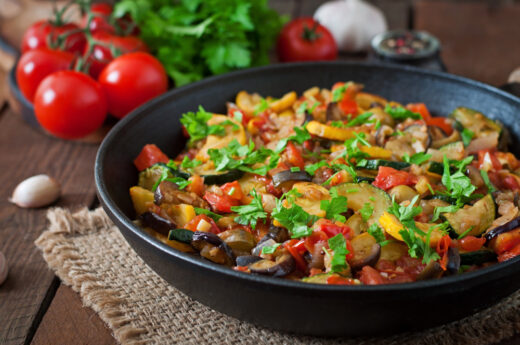


Mahalabia: The Middle Eastern Milk Pudding With a Delicate Floral Flavour
Anshika Jain - September 25, 2026Imam Bayildi: Turkey’s Famous Stuffed Eggplant With a Vegetarian History
Anshika Jain - September 28, 2026Kakinada Kaja: The Andhra Sweet With Crisp Layers and Sugar Syrup
Anshika Jain - September 25, 2026
Aam Panna: India’s Raw-Mango Drink With a Tangy Twist
September 28, 2026
Pakhala Bhata: Odisha’s Fermented Rice Dish for Hot Summer Days
September 28, 2026
Imam Bayildi: Turkey’s Famous Stuffed Eggplant With a Vegetarian History
September 28, 2026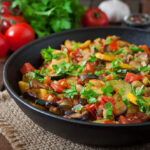

Leave a Comment