

Aam Panna: India’s Raw-Mango Drink With a Tangy Twist

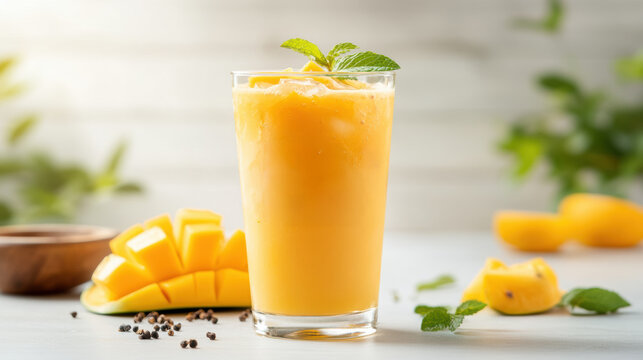
India’s relationship with summer is closely connected with food and beverages designed to provide refreshment during the hottest months of the year. As temperatures rise across much of the country, seasonal ingredients become an important part of everyday cooking, and raw mango occupies a special place in this tradition. One of the most distinctive drinks made from this seasonal fruit is Aam Panna, a tangy raw-mango beverage that has been enjoyed in Indian households for generations.
Aam Panna is traditionally prepared from raw green mangoes that are cooked or roasted, combined with water, and blended with ingredients such as sugar or jaggery, salt, roasted cumin, and fresh mint. The result is a refreshing drink with a complex balance of sour, sweet, salty, and aromatic flavours. Unlike many fruit beverages that focus primarily on sweetness, Aam Panna is characterised by its sharp and tangy personality.
The drink is particularly associated with the Indian summer because raw mangoes become widely available during the period leading up to the ripe mango season. Families have traditionally used the fruit in several forms, from pickles and chutneys to curries and beverages. Aam Panna represents one of the most refreshing ways to use this seasonal ingredient.
Beyond its flavour, Aam Panna provides an interesting window into India’s culinary traditions. It demonstrates how seasonal produce can inspire practical recipes, how contrasting flavours can be combined to create balance, and how traditional beverages can remain relevant even as modern drinks become increasingly popular.
What Is Aam Panna?
Aam Panna is a traditional Indian beverage made primarily from raw mangoes. The raw mangoes are generally cooked until soft, after which the pulp is extracted and combined with water and flavouring ingredients.
The preparation varies between households and regions. Some recipes use sugar, while others prefer jaggery. Salt is commonly added to balance the acidity of the mango, while roasted cumin contributes an earthy and slightly smoky aroma. Fresh mint can provide another layer of freshness.
The final beverage is usually served chilled, making it particularly attractive during hot weather. Depending on the recipe, the drink may be relatively thin and refreshing or prepared as a concentrated mango mixture that is diluted with water when served.
The defining characteristic remains the raw mango itself. Unlike ripe mango drinks, which tend to be naturally sweet and intensely fruity, Aam Panna uses the sourness of unripe mango as its central flavour.
The Seasonal Importance of Raw Mangoes
Raw mangoes have a special place in Indian cuisine because they appear before the fully ripe mango season and can be used in a remarkable variety of preparations. Their firm texture and naturally sour flavour make them useful for pickling, chutneys, salads, curries, preserves, and beverages.
In many parts of India, the arrival of raw mangoes signals the approach of summer. Markets begin filling with green mangoes, and households start incorporating them into seasonal recipes. Aam Panna emerged naturally from this relationship with the raw mango. Instead of waiting for the fruit to ripen, cooks could use it at an earlier stage to create a drink with a completely different flavour profile.
This is one of the strengths of traditional Indian cuisine. Seasonal ingredients are rarely restricted to a single preparation. A single fruit or vegetable can be transformed into sweet, sour, savoury, spicy, or fermented foods depending on local culinary traditions.
Aam Panna demonstrates this versatility particularly well. The same mango that will eventually become sweet and fragrant when ripe is used while still green to create a sharp and refreshing summer drink.
A Beverage Built Around Flavour Balance
One of the most interesting aspects of Aam Panna is its balance of contrasting flavours. Raw mango provides a naturally intense sourness, which forms the foundation of the beverage. Sugar or jaggery softens that acidity, while salt introduces a savoury dimension.
Roasted cumin adds warmth and depth. Mint contributes a cooling aromatic quality that complements the sour mango. When these ingredients are combined carefully, the drink becomes more complex than a simple sweetened fruit beverage. This balance reflects a broader principle of Indian cuisine, where sweet, sour, salty, bitter, pungent, and aromatic flavours are often combined within the same meal or preparation.
Aam Panna brings several of these sensations together in a single glass. The result is a drink that can initially taste sharp and tangy before developing sweetness, spice, and herbal freshness. Its layered flavour is one of the reasons it remains distinctive among traditional Indian beverages.
Traditional Preparation of Aam Panna
Traditional Aam Panna begins with raw mangoes. The fruit can be boiled, steamed, or roasted depending on the household recipe. Cooking softens the mango and makes it easier to separate the pulp from the skin and seed.
Once the mango has cooled sufficiently, the pulp is removed and mashed or blended. It is then mixed with sweetener, salt, and spices. Roasted cumin is particularly common because its earthy flavour provides a strong contrast to the sourness of the mango. Fresh mint may be crushed or blended into the mixture, adding an aromatic note. Water is then added to reach the desired consistency.
The drink can be served immediately with ice or chilled before serving. Some households prepare a concentrated Aam Panna mixture that can be stored and diluted with water whenever a drink is needed. This preparation reflects the practical character of traditional Indian kitchens. Seasonal fruit can be processed into a concentrate and used gradually, making it possible to enjoy its flavour throughout the warmer period.
Regional Variations Across India
Indian cuisine is highly regional, and Aam Panna can be prepared differently depending on local ingredients and family traditions. The basic concept remains the same, but the proportions and flavouring ingredients can change significantly. Some preparations are strongly sour, allowing the raw mango to dominate. Others contain more sweetener and have a smoother balance. The amount of salt and cumin can also vary.
In some households, mint is an essential part of the recipe, while others may keep the drink focused primarily on mango, sugar, and spices. Jaggery can provide a deeper sweetness compared with refined sugar, while different varieties of raw mango can naturally produce different levels of acidity.
These variations are part of what makes traditional food interesting. A dish or beverage does not always need a single definitive recipe to have a strong cultural identity. Instead, its identity can exist through a shared concept interpreted differently across families and regions.
Aam Panna and Indian Summer Culture
Summer in India can be intense, and traditional food cultures have developed numerous ways of responding to the season. Alongside Aam Panna, beverages such as jaljeera, shikanji, lassi, chaas, sattu drinks, and various fruit-based refreshments have long been part of India’s seasonal food landscape.
These beverages are not merely modern refreshments. They often reflect local ingredients and traditional culinary knowledge.
Aam Panna’s relationship with summer is especially strong because raw mangoes are a seasonal ingredient and because the drink is commonly served chilled. The sour flavour can also make it appealing when people want something more stimulating than an extremely sweet beverage.
Its cultural importance comes from this combination of seasonality, availability, taste, and familiarity. For many families, the preparation of Aam Panna is connected with the arrival of warmer weather and the appearance of green mangoes in local markets.
The Role of Cumin in Aam Panna
Roasted cumin is one of the ingredients that gives Aam Panna its distinctive character. Cumin seeds are commonly dry-roasted before being ground, allowing their natural oils and aroma to become more pronounced.
When added to the mango mixture, roasted cumin introduces an earthy, warm note that balances the sharp acidity of the fruit. It also gives the drink a savoury complexity that distinguishes it from ordinary mango juice.
This use of roasted spices is common in Indian beverages. Spices can transform otherwise simple ingredients into complex drinks without requiring elaborate preparation. In Aam Panna, cumin does not replace the mango’s flavour. Instead, it works alongside it. The raw mango remains dominant while cumin adds depth underneath the bright sourness.
Mint and the Freshness of Aam Panna
Fresh mint is another popular component of Aam Panna. Its cool, aromatic character provides a natural contrast to the intense acidity of raw mango. Mint also contributes visual freshness when blended into the drink. Depending on the recipe, it can be added in relatively small quantities or used more prominently.
The combination of mango and mint reflects a broader culinary principle in which strong flavours are balanced by aromatic herbs. Mint’s freshness can soften the intensity of the sour fruit and create a more rounded drinking experience.
For this reason, Aam Panna with mint often feels particularly refreshing when served cold on a hot afternoon.
Aam Panna Beyond Simple Refreshment
It is tempting to describe Aam Panna simply as a summer drink, but its culinary significance is broader. It demonstrates how Indian cuisine makes use of seasonal ingredients before they reach their final form.
The drink also shows how traditional cooks used flavour balancing techniques. Raw mango by itself can be intensely sour, but through the careful addition of sweetness, salt, spice, and herbs, that sharpness becomes enjoyable and complex.
This principle appears throughout Indian cuisine. Sour fruits and ingredients are often paired with sweeteners, spices, salt, or aromatic herbs to create balanced preparations. Aam Panna is therefore not simply a way of consuming mango. It is an example of culinary transformation.
A Traditional Alternative to Modern Summer Drinks
Modern supermarkets and restaurants offer an enormous range of packaged beverages, carbonated drinks, flavoured waters, energy drinks, and ready-to-drink fruit products. Despite this competition, traditional beverages such as Aam Panna continue to have a distinctive place in Indian food culture.
Part of the reason is familiarity. Aam Panna is connected with home cooking and seasonal traditions rather than being associated primarily with commercial branding. Another reason is its flexibility. It can be prepared according to individual preferences. A household can adjust the sweetness, acidity, saltiness, spice level, or mint content.
This flexibility gives traditional beverages an advantage that standardised commercial drinks often lack. The recipe can be adapted to the ingredients available and the preferences of the people drinking it.
Aam Panna and the Indian Tradition of Homemade Beverages
Homemade beverages have long played an important role in Indian food culture. Before refrigeration and commercial bottled drinks became widely accessible, households relied heavily on locally available ingredients to prepare refreshing drinks. Many of these beverages were seasonal. Some were based on fruits, others on grains, dairy, herbs, spices, or pulses.
Aam Panna fits naturally into this tradition because raw mangoes are processed at home and combined with familiar pantry ingredients. The drink can be made in relatively large quantities and served to family members or guests.
This home-based preparation also gives the beverage a personal character. One household may prefer a strongly sour version, while another may favour a sweeter and mintier preparation. Such differences are not inconsistencies. They are part of the living nature of culinary traditions.
The Cultural Significance of Raw Mango
Raw mango itself has a powerful cultural presence in India. Mango is often described as one of the country’s most beloved fruits, but its culinary significance begins well before the fruit becomes fully ripe.
Green mangoes appear in pickles, chutneys, lentil dishes, vegetable preparations, cooling drinks, and other regional recipes. Their sourness provides an ingredient capable of transforming otherwise simple meals.
Aam Panna captures this role in beverage form. Instead of using raw mango as a side ingredient or condiment, it places the fruit at the centre of the preparation. This gives the drink a distinctive identity while also connecting it to the larger cultural importance of mangoes in Indian food traditions.
Aam Panna in Contemporary Food Culture
Traditional foods often experience renewed interest when modern consumers begin exploring regional ingredients, heritage recipes, and seasonal cooking. Aam Panna fits naturally into this renewed interest.
Restaurants and cafés can present the drink in contemporary ways while retaining its traditional flavour profile. Home cooks can experiment with different mango varieties, sweeteners, herbs, and spice combinations.
Food writers and culinary enthusiasts have also helped introduce regional Indian beverages to audiences unfamiliar with them. Aam Panna offers a particularly accessible entry point because its ingredients are relatively familiar and its flavour is immediately distinctive.
At the same time, preserving the cultural context of the beverage remains important. Aam Panna should not be viewed only as a fashionable mango drink. Its identity comes from India’s seasonal food traditions and the long-standing culinary use of raw mangoes.
Why Aam Panna Remains Relevant
The continued appeal of Aam Panna lies in its combination of simplicity, flavour, seasonality, and cultural familiarity. It does not require complicated cooking techniques or unusual ingredients. Its basic components can be found in many Indian kitchens during mango season.
The beverage also demonstrates the value of working with seasonal produce. Instead of treating raw mango as an unfinished fruit, Indian culinary traditions recognise it as a valuable ingredient with its own flavour and uses.
Aam Panna also represents the ability of traditional recipes to evolve. While the basic concept remains recognisable, modern households can adjust the preparation to suit their preferences without losing the essence of the drink.
Its place in contemporary Indian food culture therefore reflects continuity rather than nostalgia alone. The drink remains useful because the ingredients, flavours, and culinary principles behind it continue to make sense.
The Broader Story of Indian Summer Beverages
Aam Panna belongs to a rich family of Indian summer beverages that reflect the country’s geographical and culinary diversity. Different regions have developed drinks using ingredients suited to their local climate and agricultural environment.
Chaas uses yogurt and water, sattu drinks are based on roasted gram flour, jaljeera combines spices and herbs, and regional fruit beverages make use of seasonal produce. Each drink has its own flavour and cultural context.
Aam Panna stands apart because of its unmistakable raw-mango character. Its sourness is not merely a supporting flavour; it is the defining feature around which the entire beverage is constructed.
Together, these traditional drinks demonstrate that Indian beverage culture extends far beyond tea, coffee, and commercially produced fruit drinks. It includes an extensive collection of seasonal preparations rooted in household knowledge.
Conclusion
Aam Panna is a distinctive Indian summer beverage that transforms raw mango into a refreshing combination of sour, sweet, salty, spicy, and aromatic flavours. Prepared traditionally with cooked or roasted green mangoes, water, sweetener, roasted cumin, salt, and often mint, the drink represents one of the most memorable ways to enjoy the seasonal fruit before it becomes fully ripe.
Its importance extends beyond refreshment. Aam Panna reflects India’s deep relationship with seasonal ingredients and demonstrates how traditional cooks developed creative ways to use raw mangoes. The beverage also illustrates the importance of flavour balance in Indian cuisine, where contrasting tastes can work together to create a complex and satisfying result.
From household kitchens to contemporary restaurants, Aam Panna continues to represent the taste of an Indian summer. Its simplicity makes it accessible, while its distinctive flavour gives it a strong cultural identity. The drink connects the arrival of raw mangoes with memories of warm afternoons, homemade preparations, family meals, and seasonal food traditions.
In an era filled with increasingly sophisticated commercial beverages, Aam Panna offers a reminder that refreshing food does not need to be complicated. Sometimes a seasonal fruit, a few familiar spices, water, and a little culinary patience are enough to create a drink that carries both flavour and cultural history in every glass.
Online Internship with Certificate
You may be interested
Pakhala Bhata: Odisha’s Fermented Rice Dish for Hot Summer Days
Anshika Jain - September 28, 2026India’s culinary traditions are deeply connected with climate, agriculture, seasonality, and local ways of life. Across the country, traditional dishes often reveal how communities adapted their food…
Fasolada: Greece’s Traditional Bean Soup and Its Place in Mediterranean Cuisine
Anshika Jain - September 28, 2026Greek cuisine is often associated with fresh vegetables, fragrant herbs, olive oil, grains, cheese, seafood, and simple preparations that allow individual ingredients to retain their natural character.…
Imam Bayildi: Turkey’s Famous Stuffed Eggplant With a Vegetarian History
Anshika Jain - September 28, 2026Turkish cuisine is celebrated for its remarkable variety of vegetables, grains, legumes, herbs, olive oil, and carefully developed cooking techniques. Among its many traditional vegetable dishes, Imam…
Most from this category

Mahalabia: The Middle Eastern Milk Pudding With a Delicate Floral Flavour
Anshika Jain - September 25, 2026Kakinada Kaja: The Andhra Sweet With Crisp Layers and Sugar Syrup
Anshika Jain - September 25, 2026
Pakhala Bhata: Odisha’s Fermented Rice Dish for Hot Summer Days
September 28, 2026
Imam Bayildi: Turkey’s Famous Stuffed Eggplant With a Vegetarian History
September 28, 2026
Caponata: Sicily’s Sweet-and-Sour Eggplant Dish
September 28, 2026

Leave a Comment