

Mocha Ghonto: Bengal’s Banana Blossom Curry with Potatoes and Bengali Spices

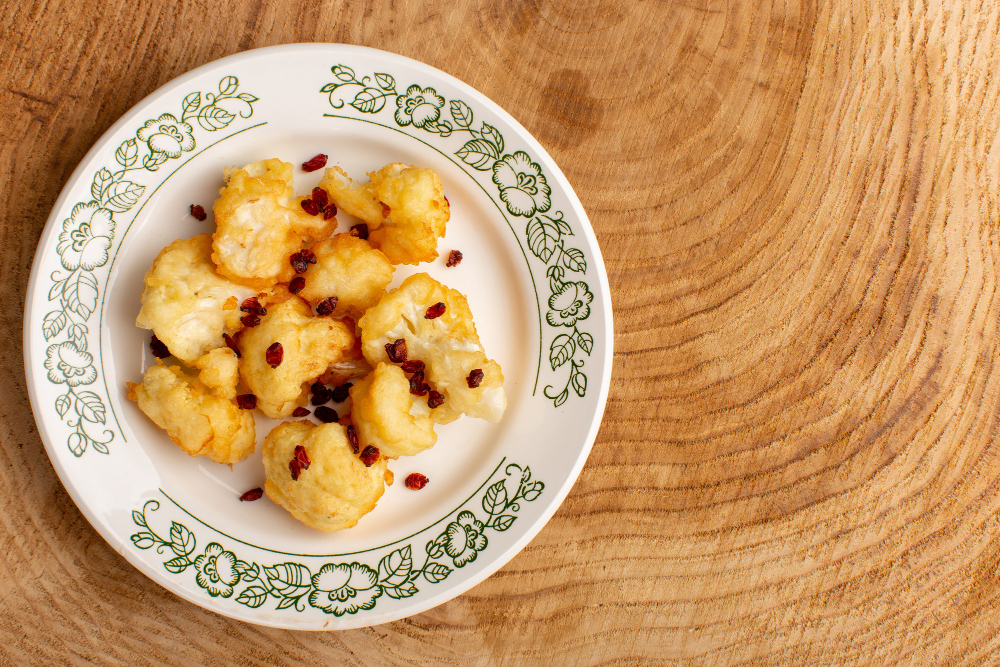
Bengali cuisine is celebrated for its remarkable variety of vegetarian preparations, distinctive spice combinations and creative use of seasonal vegetables. Among its traditional dishes, Mocha Ghonto holds a special place because of its unusual primary ingredient: banana blossom, commonly known as banana flower. Prepared by cooking finely chopped banana blossoms with potatoes, coconut and traditional Bengali spices, this dish represents the depth and creativity of Bengal’s plant-based culinary heritage.
Unlike ordinary vegetable curries that primarily use familiar ingredients such as potatoes, cauliflower or pumpkin, Mocha Ghonto transforms the flower of the banana plant into a flavourful and satisfying preparation. Banana blossom has a slightly earthy taste and a firm, layered texture that becomes tender during cooking. When combined with potatoes, ginger, cumin, bay leaves and other Bengali seasonings, it develops a rich flavour that makes the dish suitable for everyday meals as well as traditional occasions.
Mocha Ghonto is particularly interesting because its preparation requires careful ingredient handling. Banana blossoms contain several layers of bracts and individual florets that must be cleaned and prepared before cooking. This traditional process reflects the importance of practical food knowledge in Bengali households.
The dish is also an excellent example of how regional Indian cuisines make use of different parts of agricultural plants. Rather than consuming only the familiar fruits and vegetables, traditional Bengali cooking incorporates ingredients such as banana flowers, stems and leaves into different preparations.
From its distinctive texture to its aromatic seasoning, Mocha Ghonto offers a culinary experience that combines traditional cooking techniques, seasonal ingredients and vegetarian nutrition.
What Is Mocha Ghonto? Understanding Bengal’s Traditional Banana Blossom Dish
Mocha Ghonto is a traditional Bengali vegetarian preparation made primarily from banana blossom, potatoes and a combination of aromatic spices. The word Mocha refers to the banana flower in Bengali, while Ghonto describes a preparation in which ingredients are cooked together until they form a relatively cohesive mixture.
The dish is generally prepared by removing the edible florets from the banana blossom, cleaning them carefully and chopping them into small pieces. These are then cooked with potatoes, ginger, cumin, turmeric and other seasonings until the ingredients become tender and absorb the flavours of the spices.
Many traditional household recipes also include grated coconut, which adds mild sweetness and a slightly creamy texture. Some variations incorporate roasted peanuts or other ingredients to introduce additional richness and texture.
Unlike watery vegetable curries, Mocha Ghonto generally has a relatively dry or semi-dry consistency. The ingredients are cooked until the moisture reduces and the banana blossom and potatoes combine into a flavourful preparation.
It is commonly served with steamed rice, although it can also accompany traditional Bengali meals featuring dal and other vegetable dishes.
The dish is particularly appreciated for its distinctive flavour, which is different from conventional potato-based curries. Its earthy character and aromatic seasoning make it an interesting option for people exploring regional Indian vegetarian cuisine.
The Cultural and Culinary Significance of Mocha Ghonto in Bengal
Bengali cuisine has a long history of incorporating seasonal vegetables and less commonly used plant ingredients into everyday cooking. This approach is closely connected with the region’s agricultural environment, local markets and household food traditions.
Banana plants are widely recognised for their versatility because different parts of the plant can be used in cooking. While the fruit is consumed in fresh and cooked forms, banana flowers and stems are also important ingredients in several regional Indian cuisines.
In Bengal, banana blossom is known as mocha and is used in multiple traditional preparations. Mocha Ghonto is among the most recognised dishes made from this ingredient.
The preparation demonstrates how Bengali cooking transforms an ingredient that requires considerable cleaning into a flavourful vegetarian dish. Removing the individual florets, separating their tough components and chopping them properly are important stages of the process.
Traditionally, this preparation is associated with home cooking, where recipes are often passed between generations. The exact combination of ingredients can vary according to family preferences and regional practices.
In many Bengali households, Mocha Ghonto is served as part of a larger meal that includes rice, dal and other vegetable preparations. Its distinctive taste adds variety to a meal without requiring meat or fish.
The dish also reflects the Bengali culinary philosophy of using ingredients creatively and allowing their natural flavours to work alongside carefully balanced spices.
Banana Blossom: The Unique Ingredient Behind Mocha Ghonto
Banana blossom is the unopened flower of the banana plant. It is generally recognised by its large, purple or reddish outer bracts that protect rows of smaller florets inside.
Its unusual appearance and layered structure make it one of the most distinctive ingredients used in traditional Indian vegetarian cooking.
Understanding the Structure of Banana Blossom
A banana blossom consists of several layers of protective bracts, beneath which individual florets are arranged in clusters. The outer bracts are generally deep purple, while the inner florets are lighter in colour.
For Mocha Ghonto, the edible florets are removed from the blossom and prepared individually. Each floret contains a small hard pistil and a thin, translucent covering that are traditionally removed before cooking.
This preparation can take time because a single banana blossom contains numerous florets. However, careful cleaning is essential for achieving a pleasant texture in the finished dish.
Taste and Texture of Banana Blossom
Banana blossom has a mild, slightly earthy and subtly bitter flavour. Its texture is relatively firm when raw but becomes softer after boiling and cooking.
When prepared properly, it retains enough structure to provide an interesting contrast with soft potatoes and grated coconut.
Its flavour also absorbs spices effectively, making it suitable for preparations involving cumin, ginger, turmeric and other aromatic ingredients.
Nutritional Characteristics of Banana Blossom
Banana blossom is valued as a vegetable ingredient because it contributes dietary fibre and several naturally occurring plant compounds. It also contains minerals such as potassium and magnesium, although the exact nutritional composition varies according to the variety and maturity of the flower.
Its fibre content makes it an interesting addition to a varied diet. However, its nutritional value should be considered as part of the overall meal rather than as a replacement for other important food groups.
The Essential Ingredients Used in Traditional Mocha Ghonto
Mocha Ghonto uses a combination of vegetables, aromatic spices and traditional cooking ingredients. Each component contributes a different flavour and texture to the final preparation.
Banana Blossom: The Primary Ingredient
Banana blossom forms the foundation of the dish. Its slightly earthy flavour and fibrous texture give Mocha Ghonto its distinctive identity.
After cleaning, the florets are finely chopped and usually boiled before being added to the spice mixture. This preliminary cooking helps soften the ingredient and makes it easier to combine with the other components.
Potatoes: Adding Body and Softness
Potatoes are commonly added to Mocha Ghonto to provide a familiar flavour and satisfying consistency. They absorb the seasoning and complement the slightly firm texture of banana blossom.
When cooked properly, the potatoes become tender and help bind the ingredients together. Their mild taste also balances the earthy flavour of the banana flower.
Potatoes contribute carbohydrates, potassium and other nutrients, making the preparation more substantial.
Coconut: Creating Natural Sweetness
Grated coconut is frequently included in traditional versions of Mocha Ghonto. It contributes a mild sweetness and a pleasant texture that balances the stronger flavours of Bengali spices.
Fresh coconut is particularly suitable because it provides a natural richness without requiring cream or other dairy ingredients.
Some recipes also use coconut pieces that have been lightly fried before being added to the preparation.
Ginger: Providing Warmth and Aroma
Ginger is an important seasoning in Bengali cooking. It introduces a warm, slightly sharp flavour that complements the earthiness of banana blossom.
Freshly ground ginger paste is commonly used because it distributes evenly throughout the preparation.
Cumin and Bay Leaves: Building the Spice Base
Cumin seeds are often used to create the initial aromatic foundation. When added to hot cooking oil, they release their characteristic earthy fragrance.
Bay leaves contribute a mild herbal aroma and are commonly used in traditional Bengali vegetable preparations.
Depending on the household recipe, additional spices such as turmeric, coriander and garam masala may also be included.
Green Chillies and Mustard Oil
Green chillies provide a fresh, spicy flavour, while mustard oil contributes the pungency associated with many Bengali preparations.
Mustard oil is particularly useful because its distinctive aroma complements the earthy characteristics of banana blossom.
The quantity of chillies and oil can be adjusted according to individual preferences.
How Traditional Bengali Mocha Ghonto Is Prepared
Preparing Mocha Ghonto involves more preparation than many ordinary vegetable curries because banana blossoms require careful cleaning before cooking. However, once the ingredient is ready, the remaining process is relatively straightforward.
The preparation begins by removing the outer purple bracts of the banana blossom until the inner florets become accessible. The individual florets are separated and cleaned one by one. Their hard central pistils and thin translucent coverings are removed according to traditional preparation methods.
The cleaned florets are chopped finely and placed in water to reduce discolouration. Banana blossom can darken when exposed to air because of natural enzymatic reactions, so keeping the prepared pieces submerged until cooking is helpful.
The chopped florets are then boiled until they become tender. Some cooks add a small amount of turmeric to the boiling water. Once cooked, excess water is drained, and the banana blossom is kept aside.
Potatoes, cut into small cubes, are added and cooked with turmeric and salt until they begin to soften. The prepared banana blossom is then added and mixed thoroughly with the spices. Depending on the recipe, a small amount of water may be added to prevent sticking. The dish is generally cooked until most of the moisture evaporates and the ingredients become tender.
A final addition of garam masala or freshly chopped coriander may be used according to household preferences. The finished preparation should have a relatively thick consistency, with the banana blossom and potatoes clearly visible. Mocha Ghonto is best served warm with steamed rice.
The Importance of Bengali Spices in Mocha Ghonto
Spices play an important role in shaping the flavour of Mocha Ghonto. However, the traditional preparation does not depend on excessive seasoning. Instead, it uses a carefully balanced combination that enhances the natural characteristics of banana blossom.
Cumin is one of the most important spices because it provides an earthy and slightly warm flavour. Its aroma develops when the seeds are added to hot oil at the beginning of cooking.
Turmeric contributes colour and a mild earthy taste. It also gives the dish its characteristic golden appearance.
Ginger provides warmth and helps balance the slightly bitter flavour that banana blossom may sometimes develop. Green chillies introduce heat, while bay leaves add an aromatic background.
Some recipes use a small quantity of garam masala towards the end of cooking. This adds complexity without overpowering the main ingredient.
Mustard oil is equally important because its pungent flavour connects the different ingredients and gives the preparation a recognisable Bengali character.
The objective of seasoning is to maintain balance. The banana blossom should remain the main flavour rather than becoming hidden beneath an excessive quantity of spices.
Nutritional Value of Mocha Ghonto: A Plant-Based Traditional Dish
Mocha Ghonto combines banana blossom, potatoes, coconut and aromatic ingredients, providing a range of nutrients within a traditional vegetarian preparation.
Banana blossom contributes dietary fibre and naturally occurring plant compounds. Its inclusion also increases the variety of vegetables consumed in a meal.
Potatoes provide carbohydrates and potassium, while coconut contributes dietary fat and a small amount of fibre. Ginger, cumin, turmeric and other seasonings contain naturally occurring aromatic and plant compounds.
Mustard oil provides dietary fats, predominantly unsaturated fatty acids. However, it is energy-dense, so the quantity used influences the total energy content of the preparation.
The dish is naturally plant-based when prepared with vegetable ingredients and mustard oil. It does not require dairy products, eggs or animal-derived ingredients, making it suitable for vegan diets as well as vegetarian eating patterns.
One important nutritional consideration is protein. Although banana blossom and potatoes provide some protein, the preparation is not particularly protein-rich. Serving Mocha Ghonto with dal, chickpeas or other legumes can improve the overall protein content of the meal.
Combining it with steamed rice and other seasonal vegetables also creates a more varied nutritional profile.
Mocha Ghonto and the Traditional Bengali Vegetarian Meal
Mocha Ghonto is generally enjoyed as part of a larger Bengali meal rather than as an isolated preparation. Its relatively dry consistency makes it suitable for serving alongside steamed rice and lentil dishes.
Steamed rice provides a neutral base that allows the distinctive flavour of banana blossom and spices to become more noticeable. Dal adds a smooth texture and contributes additional plant-based protein.
Other traditional vegetable preparations can also be included to create a meal with different tastes and consistencies. Leafy greens, pumpkin, brinjal and other seasonal vegetables complement the earthy flavour of Mocha Ghonto.
Fresh cucumber or a simple vegetable salad can provide additional freshness.
The combination demonstrates how Bengali vegetarian meals use several preparations to create balance. Rather than relying on one heavily seasoned dish, the meal includes different ingredients that contribute their own flavours and nutritional characteristics.
Different Variations of Mocha Ghonto Across Bengali Households
Traditional Bengali recipes are often influenced by household preferences, regional practices and ingredient availability. Mocha Ghonto is no exception.
Some households prefer a relatively dry preparation in which the banana blossom and potatoes are cooked until the moisture has almost completely evaporated. Others prepare a slightly softer version with a small amount of gravy.
The quantity of coconut also varies. A coconut-rich preparation develops a mildly sweet flavour, while a version with less coconut allows the earthy taste of banana blossom to remain more prominent.
Certain recipes include roasted peanuts to introduce crunch and additional richness. Others use small pieces of coconut that have been fried until lightly golden.
The spice combination can also change. Some cooks prefer a mild preparation using cumin, ginger and turmeric, while others incorporate additional Bengali spices to create a stronger flavour.
Despite these variations, banana blossom remains the central ingredient, and the overall identity of the dish remains connected to traditional Bengali cooking.
Mocha Ghonto Compared with Other Indian Banana Blossom Dishes
Banana blossom is used in several regional Indian cuisines, and different communities have developed distinctive preparations using this ingredient.
In South India, banana flowers are commonly incorporated into poriyal-style dishes, where they are cooked with coconut, mustard seeds, curry leaves and other seasonings.
In parts of Northeast India, banana blossom is also used in traditional vegetable preparations, sometimes combined with local herbs and spices.
Bengali Mocha Ghonto differs through its particular combination of banana blossom, potatoes, mustard oil and Bengali seasoning techniques. Its relatively cohesive texture also distinguishes it from some preparations in which banana blossom is cooked more lightly.
These regional differences demonstrate the versatility of banana blossom. The same plant ingredient can produce very different culinary experiences depending on local ingredients, cooking methods and flavour preferences.
The Role of Banana Blossom in Sustainable and Traditional Cooking
The use of banana blossom in Mocha Ghonto reflects an important principle of traditional food culture: making use of different edible parts of commonly cultivated plants.
Banana plants are valued for multiple agricultural and culinary uses. Their fruits are widely consumed, while their flowers and stems are also incorporated into regional recipes.
Using banana blossom in cooking can help increase food diversity and encourage greater appreciation of ingredients that may otherwise be overlooked.
Its preparation also reflects traditional household knowledge. Cleaning the florets, removing inedible components and managing discolouration require practical experience that has been passed between generations.
From a modern sustainability perspective, using a wider variety of edible plant parts can contribute to more diverse food systems. However, the overall environmental benefits depend on cultivation, transportation, processing and food waste management practices.
Mocha Ghonto provides an example of how traditional vegetarian recipes can make creative use of locally available agricultural resources.
Why Mocha Ghonto Deserves Recognition in Modern Vegetarian Cuisine
The increasing interest in plant-based eating has encouraged people to discover vegetables and traditional preparations beyond familiar everyday ingredients. Mocha Ghonto is particularly interesting because its main ingredient is not commonly used in many modern urban kitchens.
Banana blossom offers a distinctive texture and flavour that makes it suitable for a wide range of vegetarian preparations. Its combination with potatoes, coconut and Bengali spices creates a dish that is both culturally meaningful and adaptable.
For home cooks, preparing Mocha Ghonto provides an opportunity to explore traditional ingredient-handling techniques. Although cleaning banana blossom requires patience, the cooking process itself is relatively simple.
For restaurants and food businesses, the dish offers a way to introduce customers to authentic Bengali vegetarian cuisine. It can also be included in regional food festivals, traditional thalis and menus that highlight lesser-known Indian vegetables.
Food educators and culinary researchers may also find Mocha Ghonto interesting because it demonstrates the relationship between agricultural biodiversity, ingredient preparation and regional cooking knowledge.
Its continued presence in Bengali households highlights the importance of preserving traditional recipes that celebrate local ingredients and plant-based food diversity.
Conclusion
Mocha Ghonto is a distinctive Bengali vegetarian preparation that transforms banana blossom into a flavourful dish through the combination of potatoes, coconut, mustard oil and traditional spices. Its earthy taste, tender texture and aromatic seasoning make it an important part of Bengal’s regional food heritage.
Beyond its culinary appeal, the dish demonstrates how traditional Indian cooking makes use of different edible parts of agricultural plants. The careful cleaning and preparation of banana blossoms reflect generations of household knowledge and practical cooking experience.
Its nutritional contribution, plant-based ingredients and adaptability make it relevant to modern vegetarian food culture. When served with steamed rice, dal and seasonal vegetables, Mocha Ghonto becomes part of a satisfying and diverse Bengali meal.
Whether prepared as a traditional household recipe or introduced through contemporary regional food menus, Mocha Ghonto represents the creativity and richness of Bengali vegetarian cuisine.
Online Internship with Certificate
You may be interested
Fara: Traditional Steamed Rice-Flour Dumplings of Chhattisgarh
Anshika Jain - November 13, 2026India’s traditional cuisine is known for transforming simple agricultural ingredients into nutritious, flavourful and culturally meaningful dishes. Across different regions, rice, lentils, seasonal vegetables and locally available…
Aloo Pitika: Assam’s Rustic Mashed Potato Dish with Mustard Oil, Onions and Herbs
Anshika Jain - November 13, 2026Indian regional cuisine is filled with traditional dishes that demonstrate how simple ingredients can create distinctive flavours and memorable eating experiences. Among the many vegetarian preparations of…
Chakuli Pitha: Odisha’s Traditional Fermented Rice and Black Gram Pancakes
Anshika Jain - November 13, 2026Indian regional cuisine is known for its remarkable diversity, with traditional recipes reflecting local agricultural practices, seasonal ingredients and generations of culinary knowledge. Among the many traditional…
Most from this category

Papanasi: Romania’s Soft Cheese Doughnuts Served with Sour Cream and Fruit Preserves
Anshika Jain - November 13, 2026
Briam: Greece’s Oven-Roasted Vegetable Dish with Olive Oil, Herbs and Tomatoes
Anshika Jain - November 13, 2026
Bissara: Vegetarian Preparation of Fava Beans, Split Peas, Garlic and Olive Oil
Anshika Jain - November 12, 2026
Kuku Bademjan: Vegetarian Dish of Aubergine, Fresh Herbs and Aromatic Spices
Anshika Jain - November 12, 2026Papanasi: Romania’s Soft Cheese Doughnuts Served with Sour Cream and Fruit Preserves
Anshika Jain - November 13, 2026Briam: Greece’s Oven-Roasted Vegetable Dish with Olive Oil, Herbs and Tomatoes
Anshika Jain - November 13, 2026Bissara: Vegetarian Preparation of Fava Beans, Split Peas, Garlic and Olive Oil
Anshika Jain - November 12, 2026
Fara: Traditional Steamed Rice-Flour Dumplings of Chhattisgarh
November 13, 2026


Leave a Comment