The term “Dim Sum District” evokes the vibrant atmosphere of bustling streets, traditional tea houses, and restaurants filled with the aroma of freshly steamed dumplings and savory delicacies. Dim sum is more than just a meal—it is a cultural experience deeply rooted in Cantonese tradition, where food, family, and conversation come together. A Dim Sum District represents a culinary hub where locals and tourists gather to explore a diverse variety of bite-sized dishes served in bamboo baskets, creating a unique dining experience that combines tradition, hospitality, and innovation.
Understanding the Concept of a Dim Sum District
A Dim Sum District refers to an area or neighborhood known for its concentration of dim sum restaurants, tea houses, and culinary establishments specializing in Cantonese small plates. These districts are often found in cities with strong Chinese cultural influences and serve as popular destinations for food enthusiasts.
Key characteristics of a Dim Sum District include:
-
A wide selection of traditional dim sum restaurants and tea houses
-
Streets filled with aromas of steaming dumplings and freshly prepared dishes
-
A vibrant dining culture, especially during morning and brunch hours
-
Opportunities to explore regional variations of dim sum
-
A mix of traditional establishments and modern culinary interpretations
Such districts provide visitors with the chance to immerse themselves in a rich food culture while enjoying a variety of flavors in a single dining experience.
The Cultural Heritage Behind Dim Sum
Dim sum originated in southern China, particularly in the Guangdong province. Traditionally served alongside tea, the practice of enjoying dim sum is closely linked to the Cantonese tradition of “yum cha,” which means “drinking tea.”
Historically, travelers and merchants would stop at roadside tea houses along trade routes to rest and enjoy small snacks with tea. Over time, these snacks evolved into a sophisticated culinary art form with hundreds of different varieties.
Today, dim sum represents:
-
Hospitality and social connection
-
Generational culinary traditions
-
Artful craftsmanship in cooking
-
A communal dining experience
Dim Sum Districts preserve and celebrate this heritage by offering authentic flavors and cultural authenticity.
Tea: The Essential Companion to Dim Sum
Tea plays a central role in the dim sum experience. In a traditional Dim Sum District restaurant, tea is served immediately and continuously throughout the meal.
Popular tea varieties include:
-
Jasmine tea – light and floral, perfect for balancing rich flavors
-
Oolong tea – aromatic and slightly roasted
-
Pu-erh tea – earthy and strong, known for aiding digestion
-
Chrysanthemum tea – mild and refreshing
Tea enhances the flavors of dim sum and helps cleanse the palate between dishes.
Modern Innovations in Dim Sum Districts
While traditional recipes remain central to dim sum culture, modern chefs have introduced creative variations that appeal to contemporary diners.
Examples include:
-
Colorful dumplings infused with natural ingredients
-
Truffle or seafood-filled dim sum
-
Vegetarian and vegan dim sum options
-
Dessert dumplings with chocolate or fruit fillings
These innovations allow Dim Sum Districts to remain dynamic and relevant while respecting their culinary heritage.
Economic and Tourism Impact
Dim Sum Districts contribute significantly to local economies and tourism industries.
Benefits include:
-
Supporting local restaurants and food businesses
-
Preserving traditional culinary skills
-
Attracting international food tourists
-
Encouraging cultural exchange and appreciation
Food tourism has become a major driver of travel decisions, and Dim Sum Districts often rank among the top attractions in cities known for Chinese cuisine.
Conclusion
A Dim Sum District represents far more than a collection of restaurants—it is a celebration of culinary heritage, craftsmanship, and community. The tradition of sharing small plates with family and friends reflects the essence of Cantonese hospitality and social culture.
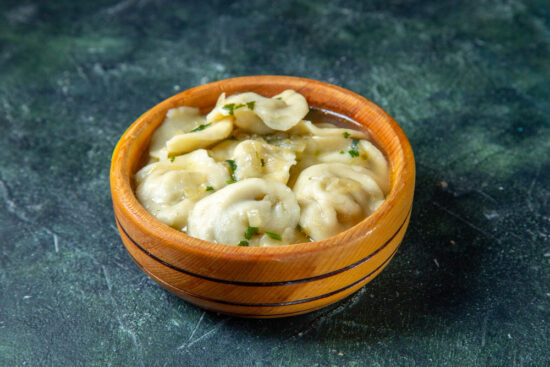
From steaming bamboo baskets filled with delicate dumplings to the soothing aroma of freshly brewed tea, every element contributes to a memorable dining experience. As dim sum continues to evolve and gain global popularity, Dim Sum Districts remain essential cultural and gastronomic destinations.
Whether one is a seasoned dim sum enthusiast or a curious traveler exploring the cuisine for the first time, visiting a Dim Sum District offers an unforgettable journey into the heart of one of the world’s most beloved culinary traditions.









Leave a Comment