

Fasolada: Greece’s Traditional Bean Soup and Its Place in Mediterranean Cuisine

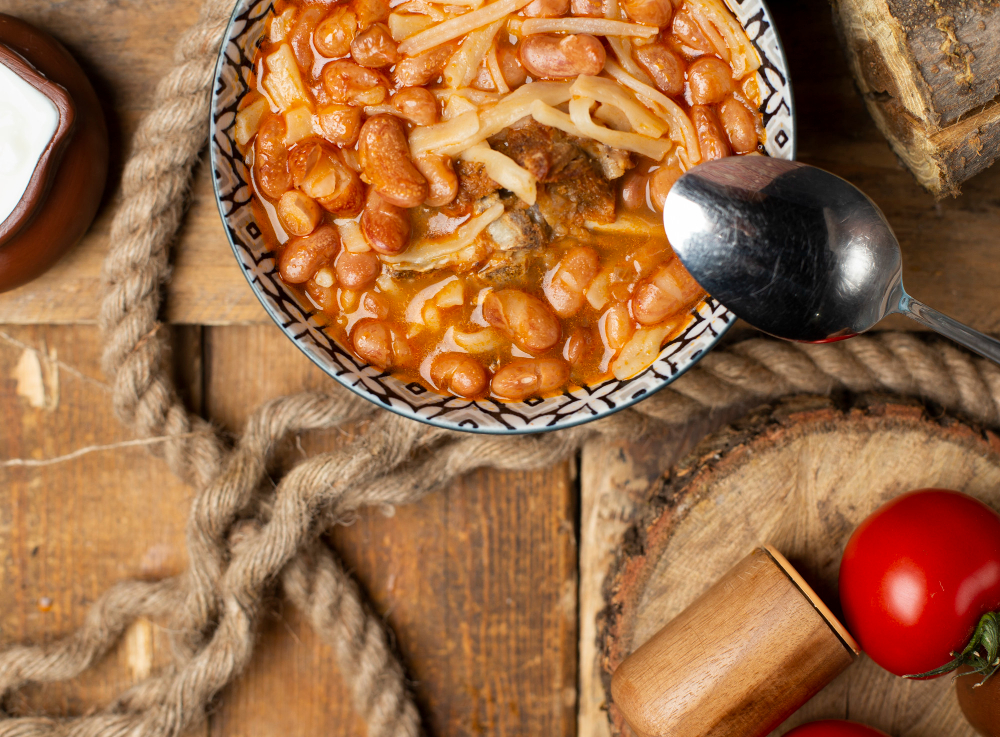
Greek cuisine is often associated with fresh vegetables, fragrant herbs, olive oil, grains, cheese, seafood, and simple preparations that allow individual ingredients to retain their natural character. Among the dishes that best represent this approach is Fasolada, a traditional Greek bean soup that has been part of everyday food culture for generations. Made primarily with beans, vegetables, tomatoes, olive oil, and herbs, Fasolada demonstrates how humble ingredients can become a deeply satisfying and culturally significant meal.
Fasolada is particularly associated with the colder months, when a warm bowl of bean soup provides both comfort and nourishment. Greek tourism authorities describe it as one of the country’s most famous dishes and highlight its combination of pulses, vegetables, and olive oil, ingredients closely associated with Mediterranean eating patterns.
What makes Fasolada especially interesting is that it is more than a recipe. It represents a traditional approach to cooking in which affordable, locally available ingredients are transformed through slow cooking into a substantial family meal. Its importance also reflects the historical role of pulses in Greek food culture, where beans, lentils, chickpeas, and other legumes have long provided an important source of nourishment.
Today, Fasolada continues to appear in homes and restaurants across Greece. Although individual recipes vary from household to household and region to region, the dish remains recognisable for its hearty beans, tomato-based broth, vegetables, olive oil, and comforting character.
What Is Fasolada?
Fasolada, sometimes spelled Fasolada or Fasolatha in English transliteration, is a traditional Greek bean soup generally prepared with dried white beans. The beans are cooked until tender and combined with ingredients such as onions, carrots, celery, tomatoes, tomato paste, and olive oil.
The result is a soup that is neither excessively complicated nor dependent on a long list of ingredients. Instead, its character comes from the quality of the beans, the slow cooking process, the richness of olive oil, and the balance between the sweetness of vegetables and the acidity of tomatoes.
A traditional preparation described by Visit Greece involves soaking the beans overnight, briefly boiling and draining them, and then cooking them with onion, carrots, celery, grated tomato, tomato paste, water, and olive oil. The soup is simmered until the beans become tender, with lemon juice sometimes added when it is served.
This straightforward preparation illustrates a broader principle of Greek cooking: ingredients do not need to be elaborate to produce complex flavour. Time, careful cooking, and good-quality produce can transform basic pantry staples into a satisfying meal.
The Role of Beans in Greek Food Culture
To understand Fasolada, it is useful to understand the importance of legumes in Greek cuisine. Beans and other pulses have traditionally been an important part of the Greek table, particularly because they can be stored for long periods and provide a substantial source of nourishment.
Different regions of Greece are associated with particular varieties of legumes. Beans, lentils, chickpeas, broad beans, and other pulses are cultivated in different parts of the country, with local soil and climatic conditions influencing their characteristics. Visit Greece notes that pulses have long been essential to the Greek table and identifies beans and legumes as an important part of the country’s food traditions.
This relationship between agriculture and cuisine helps explain why dishes such as Fasolada became so important. A dish based on dried beans does not depend on expensive or difficult-to-find ingredients. Beans can be stored, transported, and cooked gradually, making them particularly suitable for household meals.
Fasolada therefore reflects a food culture built around practicality without sacrificing flavour. The soup is economical in its foundation, yet olive oil, tomatoes, vegetables, herbs, and careful cooking give it a character that goes far beyond its humble ingredients.
A Dish Connected With the Mediterranean Diet
Fasolada fits naturally within the broader Mediterranean culinary tradition. The Mediterranean diet is not defined by a single recipe but by a pattern of eating that places importance on vegetables, legumes, grains, fruits, nuts, olive oil, herbs, and other minimally processed foods, with animal products used in varying amounts depending on region and tradition.
Fasolada demonstrates how legumes can function as the foundation of a substantial meal. Beans provide body and texture, while vegetables contribute sweetness, freshness, colour, and aroma. Olive oil adds richness and helps carry the flavours of the other ingredients.
Greek cuisine has a particularly strong relationship with olive oil. Traditional Greek cooking frequently uses olive oil not merely as a cooking medium but as a major component of flavour. Its presence in Fasolada gives the soup a rounded, silky quality and reinforces its Mediterranean identity.
The combination of beans, vegetables, and olive oil is also specifically highlighted by Visit Greece when describing Fasolada as a nutritious vegetarian dish.
The Traditional Ingredients of Fasolada
Although recipes differ, the foundation of Fasolada remains remarkably consistent. Dried white beans form the central ingredient, providing the hearty texture and mild flavour around which the rest of the soup is built.
Onions provide sweetness and depth, while carrots contribute a gentle natural sweetness. Celery adds a fresh herbal note that helps balance the richness of the beans and olive oil. Tomatoes introduce acidity and colour, while tomato paste can intensify the savoury character of the broth.
Olive oil is another defining ingredient. Rather than being used sparingly, it can play a significant role in the final texture and flavour of the soup. Herbs and seasonings may vary according to household tradition, but they are generally used to complement rather than overpower the main ingredients.
Some preparations may include additional vegetables or different seasonings, demonstrating how Fasolada can adapt to local preferences. This flexibility is one reason traditional dishes survive across generations. A recipe can remain recognisable while still allowing individual cooks to make it their own.
The Importance of Slow Cooking
One of the defining qualities of Fasolada is its relationship with time. Dried beans require preparation before they can become tender, and traditional cooking gives them sufficient time to absorb the flavours of the broth.
Soaking the beans overnight is a common preparation method. The beans are then drained and briefly boiled before being incorporated into the soup. The vegetables and tomatoes are cooked together with the beans until everything becomes tender and the broth develops a deeper flavour.
This process creates a soup with a satisfying texture. The beans become soft without losing their identity, while some may break down naturally and help thicken the broth. The vegetables gradually release their flavours into the cooking liquid, producing a result that feels richer than the simplicity of the ingredient list might suggest.
Slow cooking also reflects the traditional rhythm of home cooking. Fasolada is not a dish designed around instant preparation. Its preparation rewards patience, making it particularly suited to relaxed family meals and colder days.
Regional and Household Variations
Like many traditional dishes, Fasolada does not have one universal recipe. Greek cooking is strongly regional, and household traditions can influence ingredients, cooking methods, thickness, and serving style.
Some cooks prefer a relatively brothy soup, while others allow the beans to break down further, creating a thicker and more stew-like consistency. The amount of tomato may also vary. In some versions, tomato provides a strong foundation for the broth, while others maintain a lighter balance between vegetables and beans.
Regional food traditions can also influence accompaniments. Visit Greece notes that bean soup is enjoyed in different parts of the country and that in areas such as Pelion, it may be served with sautéed sausage or sausage incorporated into the soup.
Such variations do not diminish the identity of Fasolada. Instead, they demonstrate how traditional food evolves within different communities. The essential idea remains the same: beans are transformed into a warm, substantial dish through vegetables, olive oil, and slow cooking.
Fasolada as a Vegetarian Mediterranean Meal
Fasolada has particular relevance for vegetarian cooking because its traditional foundation can provide a satisfying meal. Beans contribute substance and texture, while vegetables and olive oil create a balanced and flavourful base.
This makes the soup an excellent example of how traditional cuisines developed meals around plant-based ingredients long before modern discussions about plant-forward eating became widespread.
The nutritional qualities of pulses also help explain their enduring role in Greek cuisine. Visit Greece notes that Greek legumes contain protein, fibre, and minerals. While traditionally forming an important part of the national diet.
However, the appeal of Fasolada is not limited to nutrition. Food traditions survive because people enjoy eating them, and the combination of creamy beans, sweet vegetables, tomato, olive oil, and aromatic seasoning creates a deeply comforting flavour profile.
Fasolada and the Greek Winter Table
Fasolada is particularly associated with winter. When temperatures fall, soups become especially appealing because they provide warmth and create a sense of comfort around the dining table.
Greek culinary traditions include several substantial winter soups, and bean-based soups have an important place among them. Visit Greece describes Fasolada as a dish particularly appreciated during winter and notes its presence in weekly family menus.
The seasonal association also reflects the practical nature of traditional cooking. Dried beans are available throughout the year, while the soup’s ingredients can be stored or sourced relatively easily. A family can prepare a large pot and enjoy it as a satisfying main meal.
This makes Fasolada an example of food that is both seasonal in character and practical in everyday life.
Serving Fasolada the Greek Way
The experience of eating Fasolada is influenced not only by the soup itself but also by what accompanies it. A bowl of hot bean soup can be served with crusty bread, olives, pickled vegetables, or feta cheese, creating a meal with contrasting textures and flavours.
A drizzle of additional olive oil can intensify its richness, while lemon juice may provide a fresh acidic note. Visit Greece specifically notes lemon juice as an optional finishing touch in its traditional preparation.
These accompaniments demonstrate an important characteristic of Mediterranean dining: a meal does not necessarily depend on a single dominant dish. Instead, several simple foods can come together to create a complete experience.
Fasolada can therefore function as the centre of a casual family meal or as part of a broader Greek-style table filled with bread, vegetables, cheese, olives, and other traditional foods.
The Flavour Profile of Fasolada
The flavour of Fasolada is best understood as layered rather than aggressive. The beans provide a mild, earthy foundation, while onions and carrots introduce sweetness. Tomato adds acidity and savouriness, celery contributes freshness, and olive oil creates richness.
When cooked properly, these ingredients become integrated rather than remaining separate. The broth takes on the flavour of the vegetables, while the beans absorb some of the tomato and olive oil.
The resulting taste is comforting and balanced. It is hearty enough to serve as a main course. But remains light enough to fit naturally into a Mediterranean-style meal.
This balance is one reason the dish has remained relevant despite changes in modern cooking. It does not rely on fashionable ingredients or complicated techniques. Its appeal comes from the interaction of familiar ingredients prepared with care.
Fasolada and the Broader Greek Legume Tradition
Fasolada belongs to a much larger family of Greek dishes centred on legumes. Across Greece, beans, chickpeas, lentils, and other pulses are prepared in soups, stews, salads, baked dishes, and purées.
Different regions have developed distinctive relationships with particular pulses. Santorini, for example, is famous for its fava, while Sifnos is known for chickpea dishes such as revithada. Northern Greece is also associated with several important bean-growing regions.
This diversity demonstrates that legumes are not secondary ingredients in Greek cuisine. They are fundamental components of the culinary landscape.
Fasolada occupies a special position within this tradition. Because it turns one of the simplest pantry staples into a dish that is widely recognised across the country.
Why Fasolada Still Matters Today
Modern food culture has introduced countless new ingredients, cooking techniques, and international influences. Yet traditional dishes such as Fasolada continue to attract attention because they offer something. That highly elaborate foods cannot always provide: simplicity with a strong sense of identity.
Fasolada connects food with agriculture, family traditions, seasonality, and regional culture. Its ingredients reflect the landscape and resources of Greece, while its preparation reflects generations of practical cooking knowledge.
The dish also fits comfortably into contemporary interest in plant-based meals, Mediterranean cooking, economical home cooking, and traditional foodways. A recipe created around inexpensive pantry ingredients can remain relevant in a modern kitchen precisely because it is adaptable and uncomplicated.
At the same time, Fasolada should not be reduced to a modern health-food concept. It is a traditional Greek dish with cultural significance, and its importance comes from its place in everyday culinary life as much as from its nutritional qualities.
Fasolada as an Expression of Greek Culinary Philosophy
Perhaps the greatest lesson of Fasolada is the Greek culinary philosophy of making simple ingredients meaningful. The dish does not depend on luxury ingredients or complicated presentation. Instead, it demonstrates what can happen when ordinary ingredients are combined thoughtfully.
Beans provide the foundation. Vegetables create flavour and aroma. Tomatoes bring brightness and depth. Olive oil provides richness. Time brings everything together.
This approach is closely connected with the wider character of Greek traditional cuisine, which places importance on ingredient quality, simplicity, seasonality, and the relationship between food and place. Visit Greece describes Greek traditional cuisine as being founded on the purity of ingredients and the wisdom of simplicity.
Fasolada embodies that philosophy in a particularly accessible form.
Conclusion
Fasolada is much more than a traditional Greek bean soup. It is a reflection of Greece’s long relationship with legumes, vegetables, olive oil, seasonal cooking, and practical home cuisine. Its simple ingredients demonstrate how traditional cooks could create deeply satisfying meals without relying on elaborate techniques or expensive foods.
The soup’s importance within Greek cuisine is also connected to the broader Mediterranean tradition of using beans and other pulses as central components of everyday meals. Its combination of beans, tomatoes, vegetables, and olive oil illustrates how plant-based ingredients can create a substantial and flavourful dish.
From family kitchens to Greek restaurants, Fasolada continues to represent the comforting side of Mediterranean food culture. Its enduring appeal lies in its simplicity, versatility, nourishment, and connection to tradition.
In a culinary world increasingly interested in sustainable ingredients, plant-forward meals, and authentic regional cooking, Fasolada offers an enduring example of how traditional food can remain relevant without losing its identity. A humble bowl of beans, vegetables, tomato, and olive oil can tell a much larger story about Greek agriculture, family life, Mediterranean cuisine, and the enduring value of simple cooking.
Online Internship with Certificate
You may be interested
Sikil Pak: Maya Pumpkin-Seed Dip with Roasted Seeds and Tomato
Anshika Jain - October 22, 2026Traditional foods often reveal how communities transform simple, locally available ingredients into preparations with distinctive flavours and cultural significance. Sikil Pak, also written as Sikil P'aak, is…
Tinutuan: Indonesian Rice Porridge Celebrating Vegetables
Anshika Jain - October 22, 2026Across Indonesia, traditional food reflects the diversity of local agriculture, community customs and everyday eating habits. Among the distinctive dishes of North Sulawesi is Tinutuan, a savoury…
Khorisa-Based Preparations: Fermented Bamboo Shoots
Anshika Jain - October 22, 2026Northeast India is home to a remarkable variety of traditional foods shaped by local agriculture, seasonal ingredients and generations of culinary knowledge. Among the region’s distinctive ingredients…
Most from this category
Jadoh: Khasi Rice Dish That Reflects the Culinary Heritage of Meghalaya
Anshika Jain - October 22, 2026
Anishi Curry: How Fermented Leaf Cakes Create a Distinctive Flavour in Naga Cuisine
Anshika Jain - October 22, 2026
Mammi: The Dark Finnish Easter Dessert Shaped by Rye, Malt and Slow Cooking
Anshika Jain - October 22, 2026
Jadoh: Khasi Rice Dish That Reflects the Culinary Heritage of Meghalaya
Anshika Jain - October 22, 2026Anishi Curry: How Fermented Leaf Cakes Create a Distinctive Flavour in Naga Cuisine
Anshika Jain - October 22, 2026Mammi: The Dark Finnish Easter Dessert Shaped by Rye, Malt and Slow Cooking
Anshika Jain - October 22, 2026
Sikil Pak: Maya Pumpkin-Seed Dip with Roasted Seeds and Tomato
October 22, 2026
Tinutuan: Indonesian Rice Porridge Celebrating Vegetables
October 22, 2026



Leave a Comment