

The Global Rise of Mochi, Tteok, and Other Chewy Treats


In recent years, the global food industry has witnessed a remarkable shift in consumer preferences toward unique textures and sensory eating experiences. Among the most notable trends is the growing popularity of chewy treats such as mochi, tteok, and a variety of similar starch-based snacks and desserts originating from Asia. Once largely confined to their countries of origin, these traditional delicacies have crossed cultural boundaries and gained widespread appeal in international markets.
From specialty bakeries and dessert cafés to supermarket shelves and social media feeds, chewy treats have become a defining feature of contemporary food culture. Their distinctive texture, versatility, and strong cultural heritage have attracted consumers seeking new culinary experiences beyond conventional sweets and snacks.
As globalization, social media, and cross-cultural food exploration continue to shape eating habits worldwide, mochi, tteok, and other chewy delicacies are emerging as influential players in the global snack and dessert landscape.
Understanding the Appeal of Chewy Textures
Texture plays a critical role in how consumers experience food. While flavor often receives the most attention, texture significantly influences satisfaction, enjoyment, and repeat consumption. Chewy foods provide a sensory experience that differs from crispy, creamy, or crunchy alternatives, creating a unique mouthfeel that many consumers find highly enjoyable.
The appeal of chewy treats lies in their elasticity, softness, and satisfying resistance when bitten. This texture encourages slower eating and prolonged enjoyment, allowing consumers to fully appreciate the flavors and craftsmanship behind each product.
In many Asian cultures, chewy textures have long been valued and celebrated. Foods featuring elasticity and bounce are often associated with freshness, quality, and culinary skill. As international consumers become more adventurous and open to diverse food experiences, these textural preferences are gaining broader acceptance and popularity.
The growing interest in experiential dining has further elevated chewy foods, transforming them from niche specialties into mainstream culinary trends.
Mochi: Japan’s Iconic Chewy Dessert
Among all chewy treats, mochi has arguably achieved the greatest international recognition. Originating in Japan, mochi is traditionally made from glutinous rice that is steamed, pounded, and shaped into soft, elastic cakes. For centuries, mochi has played an important role in Japanese culture, particularly during celebrations, festivals, and New Year traditions.
Modern mochi has evolved far beyond its traditional forms. Today, consumers can find mochi filled with sweet red bean paste, fresh fruit, chocolate, matcha cream, and countless other flavors. One of the most successful innovations has been mochi ice cream, which combines a chewy rice dough exterior with creamy ice cream filling.
The popularity of mochi ice cream has introduced millions of consumers to the distinctive texture of mochi. Its portable format, diverse flavor options, and visual appeal have made it a favorite in supermarkets, convenience stores, and dessert shops around the world.
The adaptability of mochi continues to fuel its growth, allowing chefs and manufacturers to experiment with both traditional and contemporary interpretations.
Tteok and the Global Expansion of Korean Cuisine
Korean cuisine has experienced extraordinary global growth over the past decade, and tteok has emerged as one of its most recognizable traditional foods. Tteok refers to a wide variety of rice cakes made from glutinous or non-glutinous rice, each offering unique textures, shapes, and flavors.
Historically, tteok has been an integral part of Korean celebrations, religious ceremonies, and family gatherings. Different varieties are prepared for specific occasions, reflecting Korea’s rich culinary heritage and cultural traditions.
The international popularity of Korean culture, including music, television dramas, and entertainment, has played a major role in introducing tteok to new audiences. Consumers who discover Korean cuisine through cultural media often become curious about traditional foods, leading them to explore products such as tteok and tteokbokki.
Tteokbokki, a popular Korean street food featuring chewy rice cakes in a spicy sauce, has become particularly influential. Its satisfying texture and bold flavors have attracted consumers worldwide, encouraging greater interest in Korean food culture and chewy rice-based products.
Bubble Tea and the Rise of Chewy Beverage Additions
Another significant contributor to the chewy food trend is bubble tea. Originating in Taiwan, bubble tea introduced consumers to tapioca pearls, small chewy spheres that transformed the beverage experience.
The success of bubble tea demonstrated that consumers were willing to embrace unconventional textures in drinks. Tapioca pearls added an interactive element that encouraged sipping, chewing, and prolonged enjoyment.
As bubble tea expanded globally, consumers became more familiar with chewy textures and increasingly receptive to other similar products. This exposure helped pave the way for wider acceptance of mochi, tteok, and related treats.
Today, beverage brands continue to innovate with chewy additions, including fruit jellies, popping boba, aloe cubes, and mochi-inspired toppings. These developments reflect the growing consumer demand for multi-sensory food and beverage experiences.
Social Media’s Role in Popularizing Chewy Treats
Social media has been instrumental in accelerating the global rise of chewy snacks and desserts. Platforms such as Instagram, TikTok, and YouTube provide highly visual environments where unique foods can quickly gain international attention.
The stretching, pulling, and bouncing qualities of mochi and rice cakes make them particularly engaging in video content. Demonstrations of freshly made mochi, molten-filled rice cakes, and colorful tteok creations often attract millions of views.
Food influencers and content creators regularly showcase chewy desserts, highlighting both their texture and cultural significance. These videos spark curiosity among viewers and encourage them to seek out similar products in local markets.
The viral nature of food content has significantly shortened the time required for regional specialties to achieve global recognition. What was once considered a niche cultural food can now become an international trend within months.
Innovation Driving Market Growth
One of the reasons chewy treats continue to gain popularity is the constant innovation within the category. Manufacturers and chefs are continuously developing new products that blend traditional techniques with modern consumer preferences.
Mochi has expanded into flavors ranging from salted caramel and cookies-and-cream to tropical fruits and premium chocolate. Some brands have introduced vegan and plant-based varieties to appeal to evolving dietary preferences.
Similarly, tteok has evolved beyond traditional recipes. Contemporary Korean bakeries often create fusion products that combine rice cakes with Western ingredients such as cream cheese, fruit fillings, and specialty sauces.
Innovation is also occurring in packaging, convenience, and shelf stability, allowing chewy treats to reach broader audiences through retail and e-commerce channels.
By balancing authenticity with creativity, food producers are successfully introducing traditional chewy foods to modern consumers around the world.
The Influence of Asian Pop Culture
The worldwide popularity of Asian pop culture has significantly contributed to the success of chewy treats. Japanese anime, Korean dramas, K-pop music, and social media content have increased global awareness of Asian cuisines and food traditions.
Viewers frequently encounter traditional foods while watching entertainment content, creating curiosity and driving demand for authentic culinary experiences. Mochi, tteok, and other rice-based desserts often appear in cultural media, strengthening their visibility among international audiences.
Restaurants, cafés, and food retailers have capitalized on this interest by expanding their offerings and creating immersive dining experiences inspired by Asian culture.
The connection between food and entertainment has proven to be a powerful driver of consumer behavior, helping traditional chewy treats reach markets far beyond their origins.
Consumer Interest in Authentic Global Foods
Modern consumers are increasingly interested in exploring authentic global cuisines. Rather than seeking only familiar flavors, many are actively searching for foods that offer cultural stories, heritage, and originality.
Mochi and tteok benefit from this trend because they are deeply rooted in centuries-old traditions. Their preparation methods, cultural significance, and regional variations provide rich narratives that appeal to consumers seeking meaningful food experiences.
Food tourism, international travel, and multicultural communities have further expanded exposure to traditional chewy treats. As people encounter these foods through travel or cultural events, they often continue seeking them after returning home.
This growing appreciation for authenticity has elevated chewy treats from novelty items to respected components of global culinary culture.
Health Perceptions and Natural Ingredients
Many chewy treats also align with consumer preferences for simple and recognizable ingredients. Traditional mochi and tteok are often made using relatively few components, including rice, water, and natural flavorings.
While they are still considered indulgent foods, their simplicity contributes to a positive perception among consumers who are increasingly cautious about artificial additives and highly processed products.
The rise of gluten-free and plant-based eating patterns has further benefited some rice-based chewy treats. Since many traditional recipes naturally avoid wheat and dairy, they appeal to consumers with specific dietary requirements.
As food manufacturers continue emphasizing transparency and clean-label ingredients, chewy treats are likely to maintain their relevance within health-conscious market segments.
Challenges and Opportunities for Global Brands
Despite their growing popularity, chewy treats face certain challenges in international markets. Some consumers unfamiliar with chewy textures may initially find them unusual compared to conventional Western desserts and snacks.
Educating consumers about texture expectations and cultural significance remains important for successful market expansion. Brands must strike a balance between maintaining authenticity and adapting products to local preferences.
At the same time, significant opportunities exist. Demand for international foods continues to grow, and consumers are increasingly willing to experiment with unfamiliar products. Premium positioning, innovative flavors, and engaging storytelling can help brands successfully introduce chewy treats to new audiences.
The expanding popularity of Asian cuisine provides a strong foundation for continued category growth across global markets.
The Future of Chewy Treats
The future of mochi, tteok, and other chewy treats appears exceptionally promising. As consumers seek novel textures, authentic cultural experiences, and innovative food products, chewy snacks and desserts are well positioned to meet these demands.
Advances in food technology may lead to new product formats, improved shelf life, and broader distribution opportunities. At the same time, chefs and manufacturers are likely to continue experimenting with fusion concepts that blend traditional techniques with contemporary flavors.
The increasing globalization of food culture suggests that chewy treats will continue expanding into new markets and product categories. Their versatility allows them to thrive across desserts, snacks, beverages, and even savory applications.
As consumer curiosity and culinary exploration remain strong, chewy foods are expected to become an increasingly influential segment of the global food industry.
Conclusion
The global rise of mochi, tteok, and other chewy treats reflects broader shifts in consumer preferences toward texture-driven experiences, cultural authenticity, and culinary discovery. Once limited to specific regions and traditions, these foods have successfully crossed borders to become internationally recognized and celebrated.
Their unique textures, rich histories, adaptability, and strong visual appeal have helped them capture the attention of consumers worldwide. Supported by social media, Asian pop culture, product innovation, and growing interest in global cuisines, chewy treats continue to gain momentum across multiple markets.
As food trends increasingly emphasize experience and authenticity, mochi, tteok, and similar delicacies are poised to remain at the forefront of global dessert and snack innovation, offering consumers a delicious and memorable way to explore the world’s diverse culinary traditions.
Online Internship with Certificate
You may be interested

Rupjmaizes Kartojums: Latvia’s Layered Rye Bread Dessert
Anshika Jain - October 23, 2026Rupjmaizes kārtojums is a traditional Latvian dessert that transforms dark rye bread into a layered combination of toasted crumbs, whipped cream, and fruit preserves. Often compared with…
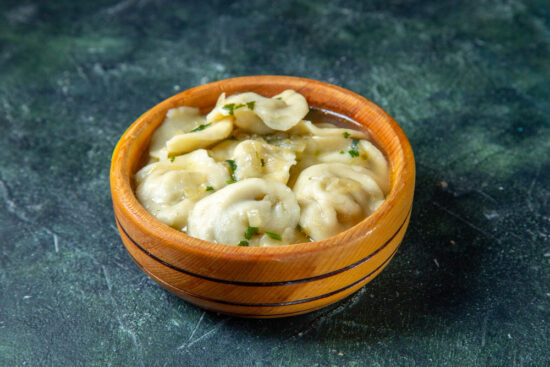
Gamja Ongsimi Small dumplings made primarily from potato
Anshika Jain - October 23, 2026Gamja Ongsimi is particularly associated with Gangwon Province in northeastern South Korea, a region known for its mountainous landscapes and long-standing potato-growing traditions. Potatoes became an important…
Bharli Karli Bitter gourds stuffed with a spiced mixture
Anshika Jain - October 23, 2026Maharashtrian cuisine is known for its thoughtful use of spices, roasted ingredients, pulses, coconut, and seasonal vegetables. Bharli Karli fits naturally into this culinary tradition, particularly because…
Most from this category
Pathrode: Layered Colocasia Leaves Become a Traditional Steamed Delicacy
Anshika Jain - October 23, 2026
Taikilo Bhaji: Exploring Goa’s Seasonal Wild Greens and Konkani Food Traditions
Anshika Jain - October 23, 2026

Pathrode: Layered Colocasia Leaves Become a Traditional Steamed Delicacy
Anshika Jain - October 23, 2026Taikilo Bhaji: Exploring Goa’s Seasonal Wild Greens and Konkani Food Traditions
Anshika Jain - October 23, 2026Kachnar Kali Curry: Unopened Flower Buds into a Savoury Delicacy
Anshika Jain - October 23, 2026
Rupjmaizes Kartojums: Latvia’s Layered Rye Bread Dessert
October 23, 2026
Gamja Ongsimi Small dumplings made primarily from potato
October 23, 2026


Leave a Comment