

Pkhali: Vegetarian Delicacy of Vegetables, Walnuts, Garlic and Herbs

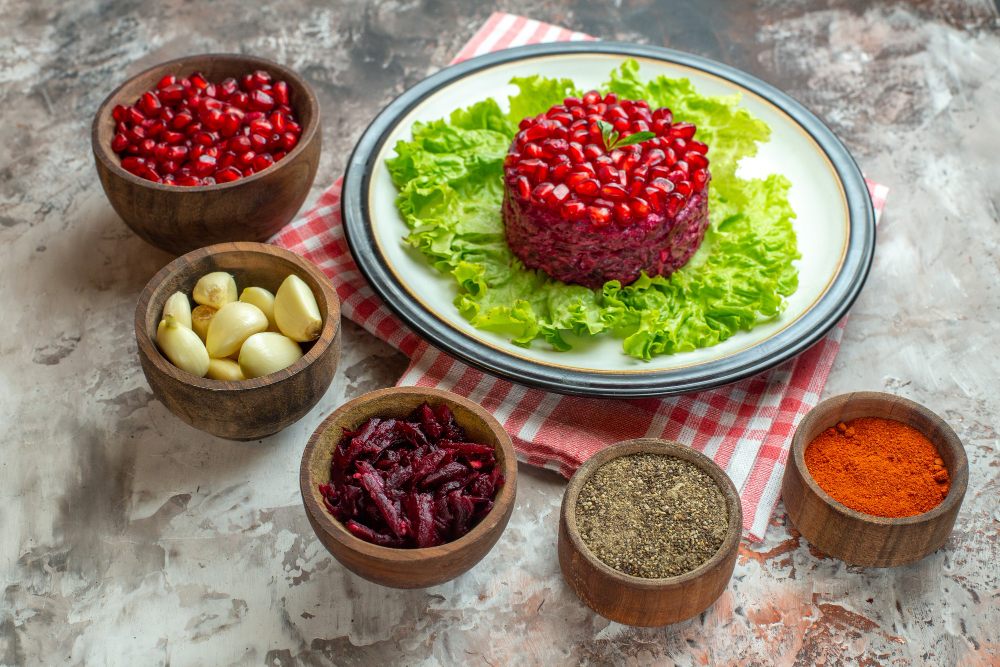
Georgian cuisine is celebrated for its generous use of walnuts, fresh herbs, seasonal vegetables and aromatic spices. Among its most distinctive traditional preparations is Pkhali, a colourful vegetarian dish made by combining finely chopped or mashed vegetables with a richly seasoned walnut mixture. Unlike many vegetable dishes that are served hot, Pkhali is generally prepared as a cold or room-temperature appetiser. Its smooth yet textured consistency, earthy walnut flavour and refreshing herbal aroma make it an important part of Georgian food culture.
Pkhali is not limited to one particular vegetable. It is better understood as a traditional method of preparation that can be adapted to different leafy greens and vegetables. Spinach, beetroot, beet leaves, cabbage, green beans, leeks and aubergine are among the ingredients used in different versions. The vegetables are cooked until tender, drained thoroughly and combined with a paste made from ground walnuts, garlic, herbs, vinegar and spices. The finished mixture is often shaped into small balls or flattened portions and decorated with pomegranate seeds.
One of the most appealing features of Pkhali is its combination of simplicity and variety. The walnut mixture creates a consistent flavour foundation, while the vegetable ingredient determines the colour, texture and individual character of each version. A spinach preparation may appear bright green, beetroot Pkhali develops a deep purple-red colour, and cabbage or white bean versions offer milder flavours. This makes Pkhali suitable for everyday meals as well as festive Georgian dining.
The Georgian Culinary Background of Pkhali
Pkhali has a long-standing place in Georgian home cooking and is closely connected with the country’s tradition of using seasonal vegetables and edible greens. The dish is particularly interesting because it does not depend on one fixed ingredient. Instead, it represents a flexible culinary technique in which different plant foods are prepared and combined with a walnut-based seasoning.
The use of wild greens is an important part of this tradition. Ethnobotanical research on Georgian food practices documents the use of numerous edible plants in Pkhali, including wild leaves and shoots gathered during spring. These plants were boiled, finely chopped and mixed with walnuts, vinegar, garlic, onions and herbs. The practice reflects the resourcefulness of communities that made use of locally available vegetation throughout the year.
Pkhali is also associated with Georgian fasting traditions. Plant-based preparations are particularly suitable for periods when meat and certain animal products are avoided. Its combination of vegetables, walnuts and herbs provides a satisfying dish without requiring meat, fish or dairy ingredients. Contemporary Georgian food culture continues to feature Pkhali as a vegetarian appetiser, often served alongside other cold dishes and traditional breads.
The dish is sometimes also written as Mkhali, and the names may be used differently in various culinary contexts. Its preparation has spread across Georgia, with regional and household variations reflecting local vegetables, available herbs and personal preferences.
The Importance of Walnuts in Pkhali
Walnuts are the defining ingredient of Pkhali. While the vegetable component can change, the seasoned walnut mixture provides the dish with its characteristic richness and consistency. Georgian cuisine uses walnuts in several preparations, including sauces, vegetable dishes and traditional appetisers. In Pkhali, they are ground into a thick paste that binds the cooked vegetables together.
Fresh walnuts are especially important because their natural oils and mild bitterness contribute significantly to the final flavour. When ground, walnuts develop a creamy texture that helps hold the vegetable mixture together. They also provide a contrast to the freshness of leafy greens and the natural sweetness of vegetables such as beetroot and carrots.
The walnuts are usually processed until they become finely ground, although the exact texture depends on the preferred preparation. Some cooks make a relatively smooth paste, while others retain a little texture for a more rustic result. Garlic, herbs, vinegar and spices are then incorporated to create a balanced mixture. A small amount of water or vegetable cooking liquid may be added when necessary to achieve a consistency that can be mixed easily with the vegetables.
The walnut paste should not be too watery. If it contains excessive liquid, the finished Pkhali may become loose and difficult to shape. Properly ground walnuts, combined with thoroughly drained vegetables, create a mixture that can be formed into small portions without falling apart.
Vegetables Commonly Used in Pkhali
Spinach is one of the most familiar ingredients used in Pkhali. Its soft leaves become tender quickly and combine easily with walnut paste. Once blanched and finely chopped, spinach produces a smooth green mixture that absorbs garlic, coriander and vinegar particularly well. Spinach Pkhali is often shaped into small balls and finished with pomegranate seeds.
Beetroot creates another popular variation. Its natural sweetness and deep colour give the preparation a distinctive appearance. Beetroot can be boiled or roasted until tender, then peeled and grated or finely chopped. Some preparations also use beet leaves, which provide a slightly different texture and a more pronounced leafy flavour. When combined with walnuts, garlic and herbs, beetroot creates a rich purple-coloured appetiser.
Cabbage is another suitable ingredient because it becomes soft after cooking while retaining enough structure to create a textured mixture. It is generally boiled or blanched, drained and chopped finely before being combined with the walnut seasoning. Green beans are also used in certain versions. Their mild flavour and firm texture create a preparation that differs from spinach and beetroot but follows the same basic technique.
Leeks, aubergines and other seasonal greens can also be used. Some traditional regional preparations include wild edible plants, reflecting the importance of foraged vegetables in Georgian food culture. The selection depends on the season and local availability, which makes Pkhali an adaptable dish rather than a recipe restricted to a single vegetable.
Garlic, Herbs and Georgian Spices
Garlic gives Pkhali much of its distinctive flavour. It adds a sharp, aromatic quality that balances the richness of the walnuts. Fresh garlic is generally crushed or finely minced before being mixed into the walnut paste. The quantity can be adjusted according to preference, although it should remain noticeable without overwhelming the vegetables.
Fresh coriander is one of the most important herbs used in the preparation. Its bright, slightly citrus-like aroma complements the earthy flavour of walnuts and the mild taste of cooked greens. Parsley is also commonly included, adding freshness and a clean herbal note. Depending on the recipe, dill, mint or other herbs may be incorporated to create additional layers of flavour.
Georgian spices give Pkhali a more distinctive regional identity. Ground coriander seeds and blue fenugreek, known as utskho suneli, are commonly associated with the walnut seasoning. Khmeli suneli, a traditional Georgian spice blend, may also be used. Dried marigold petals, sometimes referred to as Imeretian saffron, can contribute colour and a subtle earthy flavour. Chilli or ground red pepper may be added when a slightly spicy result is preferred.
Wine vinegar is frequently used to balance the richness of the walnuts. Its acidity makes the mixture taste lighter and helps bring the vegetable and herb flavours together. Some preparations use pomegranate juice as an alternative or additional source of acidity. These ingredients create the characteristic contrast between creamy walnuts, aromatic herbs and a pleasantly sharp finish.
How Traditional Pkhali Is Prepared
The preparation of Pkhali involves two main stages: cooking the vegetables and preparing the walnut paste. Although the exact method changes depending on the vegetable, the central principle remains consistent. The vegetables must become tender, their excess moisture must be removed, and the walnut mixture must be seasoned well enough to complement their natural flavour.
Leafy vegetables such as spinach are usually blanched briefly in boiling water. They are then drained, cooled and squeezed thoroughly to remove excess moisture. This step is particularly important because watery vegetables can make the walnut mixture loose and difficult to shape. Once drained, the leaves are chopped finely or processed into a coarse mixture.
Root vegetables such as beetroot require longer cooking. They can be boiled or roasted until tender, cooled and peeled before being grated or finely chopped. Cabbage and green beans are cooked until soft enough to be chopped but should not be left so long that they become completely mushy. Each vegetable requires a slightly different cooking time, but the objective is to preserve enough texture for the final preparation.
The walnuts are then ground with garlic, coriander, herbs, vinegar and selected spices. Once the paste is ready, it is combined with the prepared vegetables. The mixture is tasted and adjusted with salt, vinegar or chilli as required. It is then shaped into small balls, patties or compact portions. After chilling, the flavours become more integrated and the mixture develops a firmer consistency.
A Traditional Vegetarian Pkhali Recipe
A spinach-based version is a practical introduction to Pkhali because spinach is widely available and combines easily with walnut paste. This preparation is entirely vegetarian and plant-based.
For approximately four to six servings, use around 500 grams of fresh spinach and 150 grams of shelled walnuts. The seasoning can include three garlic cloves, a small bunch of fresh coriander, a little parsley, one small finely chopped onion, one to two tablespoons of wine vinegar, ground coriander, blue fenugreek or khmeli suneli, salt and a small amount of chilli powder. Fresh pomegranate seeds can be used for the finishing garnish.
Wash the spinach thoroughly to remove any soil or grit. Bring a pot of water to a boil and blanch the leaves for approximately two minutes, or until they become tender. Drain them immediately and allow them to cool. Once cool enough to handle, squeeze out as much water as possible. This is an essential step because excess moisture can weaken the texture of the finished dish. Chop the spinach finely and keep it aside.
Grind the walnuts in a food processor or mortar until they form a fine, slightly oily mixture. Add the garlic, chopped coriander, parsley, ground coriander, blue fenugreek or khmeli suneli, vinegar, salt and chilli. Process the ingredients until they form a thick, cohesive paste. If the mixture is too dry to combine, add a very small amount of water. Avoid adding too much liquid because the paste should remain thick enough to bind the spinach.
The finished spinach Pkhali should be moist but not watery, with a soft texture and a noticeable walnut flavour. It can be served chilled or brought briefly to room temperature before serving.
Popular Vegetarian Variations of Pkhali
One of the greatest strengths of Pkhali is that its walnut seasoning can be used with different vegetables. Each variation creates a distinct colour and flavour while preserving the preparation’s central identity.
Spinach Pkhali is particularly well known for its green colour and mild flavour. It is often used as part of a larger selection of Georgian cold appetisers. Its soft texture allows the walnut paste and herbs to become evenly distributed throughout the mixture.
Beetroot Pkhali is visually striking because of its deep red or purple colour. The natural sweetness of beetroot contrasts with the savoury garlic and slightly bitter walnuts. It is often served in small rounded portions, with pomegranate seeds adding a bright finish. Beet greens can also be used, either separately or in combination with the root vegetable.
Cabbage Pkhali offers a milder taste and a slightly more substantial texture. Cooked cabbage absorbs the walnut dressing while retaining a gentle vegetable character. Green bean Pkhali has a firmer texture and can be particularly appealing to people who prefer a less delicate preparation. Leek and other leafy-green versions provide additional possibilities, especially when seasonal vegetables are available.
Aubergine-based Pkhali also deserves attention. Cooked aubergine has a soft texture that works well with walnuts, garlic and herbs. Depending on the preparation, it may be finely chopped and mixed with the walnut paste or served in a different walnut-based format. These variations demonstrate how a shared seasoning technique can produce a wide range of vegetarian dishes.
The Importance of Texture and Moisture Control
Texture is one of the most important aspects of preparing good Pkhali. The dish should hold its shape without becoming dry or crumbly. At the same time, it should not contain so much moisture that the walnut paste becomes diluted. Achieving this balance requires careful preparation of the vegetables.
Leafy greens generally contain a large amount of water. Even after blanching and draining, spinach can retain moisture within its leaves. Squeezing it thoroughly before chopping helps create a mixture that is firm enough to shape. The same principle applies to cooked cabbage and other vegetables with high moisture content.
The walnut paste also requires attention. Grinding the walnuts too briefly may leave large pieces that prevent the mixture from becoming cohesive. Processing them for too long can release more oil and produce a very smooth paste. Either texture can work, but the mixture should be consistent enough to coat the vegetables evenly.
Resting the finished preparation in the refrigerator helps the walnut paste settle and allows the flavours to combine. This is why Pkhali is often prepared ahead of serving rather than made immediately before a meal. It is also important to add pomegranate seeds shortly before serving so that their fresh texture and appearance remain attractive.
How Pkhali Is Served in Georgian Meals
Pkhali is generally served as a cold appetiser or part of a selection of small dishes. Georgian meals often include several preparations arranged together, allowing diners to enjoy different flavours and textures. A platter containing spinach, beetroot and cabbage Pkhali creates a colourful presentation, particularly when each variety is finished with fresh herbs and pomegranate seeds.
The dish is commonly accompanied by Georgian bread. Mchadi, a traditional cornbread, is one suitable pairing, while Georgian wheat breads can also be served alongside it. Pkhali can be spread over bread, eaten as a small appetiser or included in a larger vegetarian meal with beans, salads and other vegetable preparations.
Its serving temperature is important. Pkhali is generally enjoyed chilled or at room temperature rather than piping hot. Cooling allows the walnut paste to become firmer and gives the flavours time to settle. It can be prepared in advance and kept covered in the refrigerator, making it convenient for gatherings and meals where several dishes need to be prepared together.
The final presentation is usually simple. Pomegranate seeds add colour and a slight tartness, while fresh coriander leaves provide a green finish. Some cooks make a small indentation in the centre of each portion and place the pomegranate seeds inside it. This creates an attractive appearance without requiring elaborate decoration.
Nutritional Characteristics of Pkhali
Pkhali combines vegetables, walnuts and herbs, making it a plant-based preparation with a varied nutritional profile. The vegetable ingredient determines much of its vitamin, mineral and fibre content. Spinach contributes folate and other micronutrients, while beetroot provides dietary fibre and naturally occurring plant pigments. Cabbage, green beans and other vegetables contribute their own combination of nutrients.
Walnuts add unsaturated fats, plant-based protein and dietary fibre. They also contain minerals and naturally occurring plant compounds. Their fat content contributes to the creamy texture of the dish and makes the preparation more substantial than a simple serving of boiled vegetables.
Garlic and fresh herbs provide flavour without requiring large quantities of salt or heavy sauces. However, the nutritional composition of Pkhali depends on the proportions of walnuts and vegetables used, the serving size and the amount of additional oil or seasoning included. Because walnuts are energy-dense, the dish can be rich despite its vegetable base.
Pkhali can be part of a balanced vegetarian diet, particularly when served with other plant-based foods such as beans, lentils, whole grains and fresh vegetables. It is naturally dairy-free and can be prepared without animal products, although anyone with a walnut allergy must avoid it because walnuts are an essential ingredient in the traditional preparation.
Pkhali as an Example of Seasonal and Sustainable Cooking
Pkhali also demonstrates the value of using seasonal produce and making practical use of available ingredients. Its flexible vegetable base allows cooks to prepare it with greens that are abundant at a particular time of year. Traditional Georgian food practices include the use of wild edible plants, particularly young leaves and shoots collected during spring. These ingredients can be prepared using the same walnut-based technique as more familiar vegetables.
This approach can help reduce food waste in modern kitchens. Vegetable leaves and herbs that might otherwise be discarded can sometimes be incorporated into a suitable Pkhali preparation, provided they are known to be safe and edible. The dish therefore offers a practical way to use surplus greens while creating something with a distinctive flavour and appearance.
Its adaptability also makes it relevant to contemporary vegetarian cooking. Spinach, cabbage, beetroot and green beans are widely available in many countries, while walnuts, garlic and fresh herbs can be sourced from ordinary markets. Although traditional Georgian spices may not always be easy to find, coriander, parsley, vinegar and garlic can still create a flavourful version.
Conclusion
Pkhali is a distinctive Georgian vegetarian preparation that brings together chopped vegetables, walnuts, garlic, fresh herbs and aromatic spices. Rather than being limited to one vegetable, it represents a flexible cooking tradition in which different seasonal ingredients are combined with a characteristic walnut paste. Spinach, beetroot, cabbage, green beans, aubergine and various leafy greens can all provide the foundation for different versions.
The dish’s appeal comes from the balance between its ingredients. Walnuts create a rich and creamy base, vegetables provide colour and texture, garlic adds depth, and herbs and vinegar introduce freshness. Its chilled serving style makes it particularly suitable as an appetiser, while its variety of vegetable combinations allows it to complement a wide range of meals.
More than a simple vegetable mixture, Pkhali reflects Georgian culinary traditions built around seasonal produce, walnuts and generous herb use. Its plant-based preparation makes it a valuable addition to vegetarian and vegan cooking, while its colourful presentation and adaptable ingredients give it lasting appeal. Whether prepared with spinach, beetroot or another seasonal vegetable, Pkhali offers a delicious way to experience the character of Georgian cuisine.
Online Internship with Certificate
You may be interested
Fara: Traditional Steamed Rice-Flour Dumplings of Chhattisgarh
Anshika Jain - November 13, 2026India’s traditional cuisine is known for transforming simple agricultural ingredients into nutritious, flavourful and culturally meaningful dishes. Across different regions, rice, lentils, seasonal vegetables and locally available…

Mocha Ghonto: Bengal’s Banana Blossom Curry with Potatoes and Bengali Spices
Anshika Jain - November 13, 2026Bengali cuisine is celebrated for its remarkable variety of vegetarian preparations, distinctive spice combinations and creative use of seasonal vegetables. Among its traditional dishes, Mocha Ghonto holds…
Aloo Pitika: Assam’s Rustic Mashed Potato Dish with Mustard Oil, Onions and Herbs
Anshika Jain - November 13, 2026Indian regional cuisine is filled with traditional dishes that demonstrate how simple ingredients can create distinctive flavours and memorable eating experiences. Among the many vegetarian preparations of…
Most from this category
Chakuli Pitha: Odisha’s Traditional Fermented Rice and Black Gram Pancakes
Anshika Jain - November 13, 2026
Papanasi: Romania’s Soft Cheese Doughnuts Served with Sour Cream and Fruit Preserves
Anshika Jain - November 13, 2026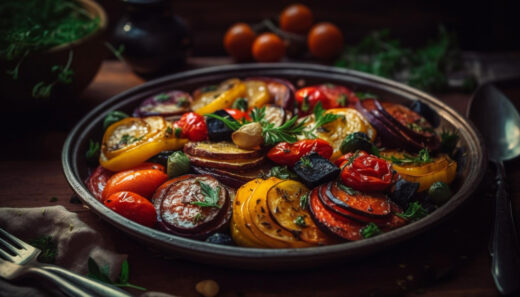
Briam: Greece’s Oven-Roasted Vegetable Dish with Olive Oil, Herbs and Tomatoes
Anshika Jain - November 13, 2026
Bissara: Vegetarian Preparation of Fava Beans, Split Peas, Garlic and Olive Oil
Anshika Jain - November 12, 2026Chakuli Pitha: Odisha’s Traditional Fermented Rice and Black Gram Pancakes
Anshika Jain - November 13, 2026Papanasi: Romania’s Soft Cheese Doughnuts Served with Sour Cream and Fruit Preserves
Anshika Jain - November 13, 2026Briam: Greece’s Oven-Roasted Vegetable Dish with Olive Oil, Herbs and Tomatoes
Anshika Jain - November 13, 2026




Leave a Comment