

Filipino Cuisine’s Growing Global Influence


For decades, global conversations about Asian cuisine were often dominated by Chinese, Japanese, Thai, and Indian food traditions. While these culinary powerhouses continue to enjoy widespread international recognition, another rich and diverse food culture has steadily emerged on the global stage: Filipino cuisine. Once considered one of Asia’s best-kept culinary secrets, Filipino food is now gaining significant attention from chefs, food critics, restaurateurs, and consumers worldwide.
Driven by globalization, migration, social media exposure, and increasing appreciation for diverse culinary traditions, Filipino cuisine is experiencing a remarkable rise in popularity. Restaurants specializing in Filipino dishes are opening in major cities across North America, Europe, Australia, and the Middle East. Traditional recipes are being reimagined by contemporary chefs, while iconic Filipino ingredients are finding their way into fusion menus and modern dining concepts.
The growing influence of Filipino cuisine reflects more than a food trend. It represents a broader recognition of the Philippines’ cultural heritage, culinary creativity, and unique contribution to the global food industry.
The Rich Cultural Foundations of Filipino Cuisine
Filipino cuisine is shaped by centuries of cultural exchange, trade, migration, and colonial influence. Located at the crossroads of Southeast Asia, the Philippines has absorbed culinary traditions from neighboring countries while developing a distinctive identity of its own.
Indigenous cooking practices form the foundation of Filipino food culture. Early communities relied on local ingredients such as rice, seafood, tropical fruits, root vegetables, and native herbs. Over time, these traditions blended with influences from Chinese traders, Spanish colonizers, American administrators, and other international communities.
The result is a remarkably diverse cuisine characterized by bold flavors, contrasting textures, and innovative cooking techniques. Filipino dishes often balance sourness, sweetness, saltiness, and umami, creating complex flavor profiles that appeal to a wide range of palates.
This multicultural heritage has become one of Filipino cuisine’s greatest strengths, offering global consumers a culinary experience that feels both familiar and unique.
Why Filipino Cuisine Is Gaining International Recognition
Several factors have contributed to the growing global influence of Filipino food. One of the most significant is the increasing consumer demand for authentic and culturally rich dining experiences.
Modern diners are eager to explore cuisines that tell compelling stories and reflect diverse cultural traditions. Filipino food offers precisely that. Every dish carries historical, regional, and familial significance, providing a deeper connection between food and culture.
The global rise of food tourism has also played an important role. Travelers who visit the Philippines often return home with a newfound appreciation for local dishes and seek similar experiences in their own countries.
At the same time, food media, culinary documentaries, and social media platforms have introduced Filipino cuisine to broader audiences. As chefs and food influencers showcase traditional dishes and modern interpretations, consumer curiosity continues to grow.
This increased visibility has helped Filipino cuisine move from relative obscurity to becoming one of the most exciting emerging culinary movements worldwide.
Adobo: The Global Ambassador of Filipino Food
Among the many dishes representing Filipino cuisine internationally, adobo stands as perhaps the most recognizable. Often considered the national dish of the Philippines, adobo exemplifies the flavor complexity and versatility that define Filipino cooking.
Traditionally prepared with chicken, pork, or both, adobo combines vinegar, soy sauce, garlic, peppercorns, and bay leaves to create a rich and savory dish with a distinctive tangy character.
One reason for adobo’s international appeal is its accessibility. The ingredients are familiar to many consumers, yet the resulting flavor profile feels unique and memorable. This balance between familiarity and novelty makes adobo an ideal introduction to Filipino cuisine.
Today, chefs around the world are reinterpreting adobo through modern techniques and creative presentations, helping introduce the dish to new audiences while preserving its cultural significance.
The Popularity of Filipino Street Food and Casual Dining
Beyond traditional home cooking, Filipino street food and casual dining concepts are contributing significantly to the cuisine’s global growth.
Foods such as lumpia, barbecue skewers, pancit noodles, and rice-based snacks have become increasingly popular in international food markets and urban dining scenes. Their portability, affordability, and bold flavors make them particularly appealing to younger consumers.
Filipino street food also reflects the country’s vibrant food culture, emphasizing community, celebration, and accessibility. These qualities resonate strongly with modern dining trends that prioritize authenticity and social experiences.
Food trucks, pop-up restaurants, and casual eateries specializing in Filipino cuisine have become effective platforms for introducing these dishes to new audiences. Their success demonstrates the broad appeal of Filipino flavors across diverse consumer groups.
The Influence of the Filipino Diaspora
The Filipino diaspora has played a crucial role in expanding the global presence of Filipino cuisine. Millions of Filipinos live and work abroad, bringing their culinary traditions with them and introducing local communities to their food culture.
Filipino-owned restaurants, bakeries, cafés, and grocery stores have become important cultural hubs in countries around the world. These establishments not only serve diaspora communities but also attract curious consumers seeking new culinary experiences.
Second- and third-generation Filipino entrepreneurs have been particularly influential in modernizing the presentation of Filipino food while maintaining its authenticity. By blending traditional recipes with contemporary branding and dining concepts, they have helped broaden the cuisine’s appeal.
The diaspora continues to serve as one of the strongest drivers of Filipino cuisine’s international growth and recognition.
Filipino Desserts Capturing Global Attention
Filipino desserts are increasingly gaining recognition as a distinctive category within global food culture. Known for their vibrant colors, creative textures, and unique ingredients, these sweets offer consumers an alternative to more familiar dessert traditions.
Ube, the purple yam commonly used in Filipino cuisine, has become one of the most successful Filipino ingredients on the international stage. Its vivid color and subtle sweet flavor have made it popular in cakes, ice creams, pastries, and specialty beverages.
Other beloved desserts such as halo-halo, leche flan, bibingka, and puto are also attracting global attention. Their combination of local ingredients and cultural significance appeals to consumers seeking novel and authentic dessert experiences.
The growing popularity of Filipino sweets has helped expand awareness of the country’s broader culinary traditions and contribute to its international culinary identity.
The Rise of Filipino Fine Dining
Filipino cuisine is increasingly finding a place in the fine-dining sector, where chefs are elevating traditional dishes through modern techniques, artistic presentation, and premium ingredients.
Contemporary Filipino chefs are reimagining classic recipes while honoring their cultural roots. This approach allows them to showcase the sophistication and versatility of Filipino cuisine to global audiences.
Fine-dining establishments featuring Filipino-inspired tasting menus have received critical acclaim in major culinary capitals. These restaurants highlight regional ingredients, indigenous cooking methods, and cultural storytelling, positioning Filipino cuisine alongside some of the world’s most respected culinary traditions.
The success of Filipino fine dining demonstrates the cuisine’s ability to evolve while maintaining its authenticity and cultural integrity.
Social Media and the Digital Food Revolution
The digital age has significantly accelerated the international growth of Filipino cuisine. Social media platforms have become powerful tools for showcasing dishes, sharing recipes, and introducing consumers to unfamiliar foods.
Visually striking ingredients such as ube and colorful desserts perform exceptionally well online, generating widespread engagement and curiosity. Food influencers, chefs, and content creators regularly feature Filipino dishes, helping them reach audiences far beyond traditional markets.
Recipe videos, travel content, and restaurant reviews have also increased awareness of Filipino food culture. Consumers who may never have encountered Filipino cuisine through traditional channels can now discover it through digital platforms.
This democratization of food media has played a vital role in bringing Filipino culinary traditions into mainstream global conversations.
Unique Ingredients Driving Culinary Innovation
Another reason for Filipino cuisine’s growing influence is its rich variety of ingredients, many of which are increasingly being adopted by chefs and food manufacturers worldwide.
Ingredients such as calamansi, coconut vinegar, pandan, jackfruit, banana leaves, and ube provide unique flavors and visual appeal that inspire culinary innovation. These ingredients are being incorporated into beverages, desserts, sauces, and fusion dishes across multiple markets.
Their versatility allows chefs to experiment while introducing consumers to authentic Filipino flavors. As demand for global ingredients continues to grow, Filipino products are becoming valuable additions to contemporary culinary repertoires.
This ingredient-driven innovation helps strengthen Filipino cuisine’s position within the global food industry.
Challenges and Opportunities for Global Expansion
Despite its growing popularity, Filipino cuisine still faces certain challenges in achieving the same level of international recognition as other Asian cuisines. Consumer familiarity remains relatively limited in some markets, and certain traditional flavors may initially seem unfamiliar to newcomers.
However, these challenges also create opportunities. The increasing demand for authentic and undiscovered cuisines provides fertile ground for Filipino food to continue expanding. Educational initiatives, culinary storytelling, and chef-driven innovation can help bridge cultural gaps and introduce more consumers to Filipino flavors.
As awareness grows, Filipino cuisine has the potential to become a mainstream culinary category rather than simply an emerging trend.
The strong foundation created by the diaspora, food entrepreneurs, and culinary professionals positions the cuisine for sustained international growth.
The Future of Filipino Cuisine on the Global Stage
The future of Filipino cuisine appears exceptionally promising. As consumers continue seeking authentic food experiences, diverse cultural influences, and innovative flavors, Filipino dishes are well positioned to capture greater international attention.
The combination of rich history, unique ingredients, and culinary adaptability provides a strong platform for continued expansion. Filipino cuisine’s ability to balance comfort, complexity, and creativity resonates with modern dining preferences.
Future growth is likely to be supported by increased restaurant openings, expanded ingredient availability, culinary education, and continued digital exposure. The next generation of Filipino chefs and entrepreneurs will play a critical role in shaping how the cuisine evolves and is perceived globally.
As the culinary world becomes increasingly interconnected, Filipino cuisine is expected to secure an even more prominent place within the international food landscape.
Conclusion
Filipino cuisine’s growing global influence reflects a broader appreciation for cultural diversity, authentic flavors, and culinary storytelling. Once overshadowed by more widely recognized Asian cuisines. Filipino food is now earning the attention it deserves from consumers, chefs, and food industry leaders around the world.
From iconic dishes like adobo and pancit to innovative desserts featuring ube and calamansi. Filipino cuisine offers a rich and dynamic culinary experience that resonates with contemporary tastes. Supported by the Filipino diaspora, social media, fine dining innovation, and increasing consumer curiosity, its global presence continues to expand.
As awareness grows and more people discover the depth and diversity of Filipino food. The cuisine is poised to become one of the most influential culinary forces of the coming decade. Its journey from regional tradition to global recognition serves as a testament to the power of food to connect cultures, tell stories, and inspire new generations of culinary exploration.
Online Internship with Certificate
You may be interested

Rupjmaizes Kartojums: Latvia’s Layered Rye Bread Dessert
Anshika Jain - October 23, 2026Rupjmaizes kārtojums is a traditional Latvian dessert that transforms dark rye bread into a layered combination of toasted crumbs, whipped cream, and fruit preserves. Often compared with…
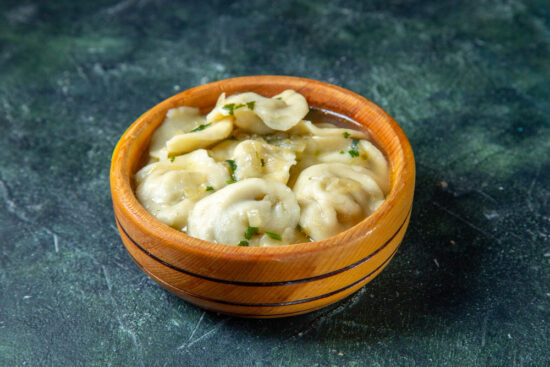
Gamja Ongsimi Small dumplings made primarily from potato
Anshika Jain - October 23, 2026Gamja Ongsimi is particularly associated with Gangwon Province in northeastern South Korea, a region known for its mountainous landscapes and long-standing potato-growing traditions. Potatoes became an important…
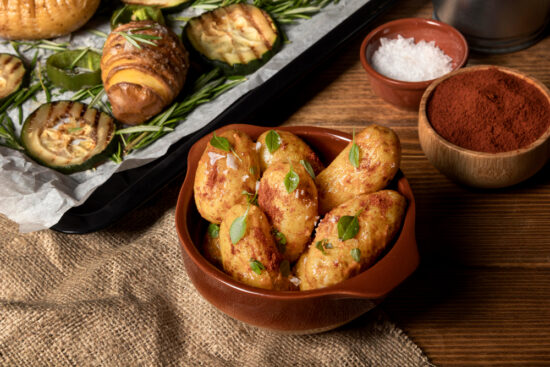
Bharli Karli Bitter gourds stuffed with a spiced mixture
Anshika Jain - October 23, 2026Maharashtrian cuisine is known for its thoughtful use of spices, roasted ingredients, pulses, coconut, and seasonal vegetables. Bharli Karli fits naturally into this culinary tradition, particularly because…
Most from this category
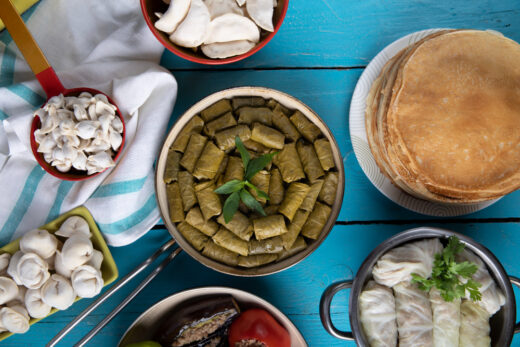
Pathrode: Layered Colocasia Leaves Become a Traditional Steamed Delicacy
Anshika Jain - October 23, 2026
Taikilo Bhaji: Exploring Goa’s Seasonal Wild Greens and Konkani Food Traditions
Anshika Jain - October 23, 2026
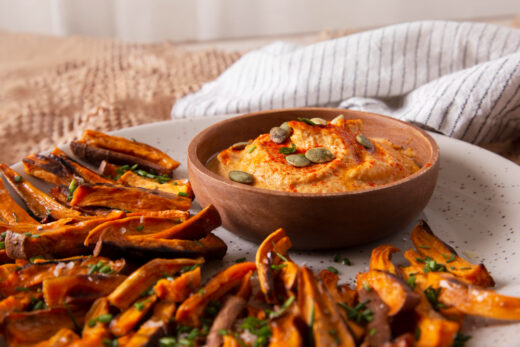
Pathrode: Layered Colocasia Leaves Become a Traditional Steamed Delicacy
Anshika Jain - October 23, 2026Taikilo Bhaji: Exploring Goa’s Seasonal Wild Greens and Konkani Food Traditions
Anshika Jain - October 23, 2026Kachnar Kali Curry: Unopened Flower Buds into a Savoury Delicacy
Anshika Jain - October 23, 2026
Rupjmaizes Kartojums: Latvia’s Layered Rye Bread Dessert
October 23, 2026
Gamja Ongsimi Small dumplings made primarily from potato
October 23, 2026



Leave a Comment