

“Swicy” Foods: Why Sweet + Spicy Is Everywhere


Food trends often emerge from changing consumer preferences, cultural influences, and culinary innovation. In recent years, one flavor combination has moved from niche appeal to mainstream dominance across restaurants, packaged foods, beverages, and social media: the sweet-and-spicy pairing known as “swicy.” Combining the comforting appeal of sweetness with the excitement of heat, swicy foods have become one of the most influential trends shaping the global food industry.
From hot honey pizza and spicy mango drinks to chili-infused chocolates and sweet heat snack products, swicy flavors are appearing across nearly every food category. What was once considered an adventurous taste experience is now becoming a standard menu offering in both casual and premium dining establishments.
The rise of swicy foods reflects broader shifts in consumer behavior. Modern diners are increasingly seeking bold flavors, multisensory experiences, and globally inspired culinary creations. Sweet and spicy combinations satisfy these demands by delivering complexity, balance, and excitement in every bite.
As food manufacturers, chefs, and restaurant operators continue to embrace the trend, swicy foods are transforming the way consumers experience flavor and redefining contemporary food culture.
Understanding the Swicy Flavor Phenomenon
The term “swicy” is a blend of the words “sweet” and “spicy,” describing foods and beverages that combine sugary or naturally sweet ingredients with varying levels of heat. While the name itself is relatively new, the concept has existed for centuries in many culinary traditions around the world.
The appeal of swicy foods lies in the interaction between contrasting flavors. Sweetness can soften and balance the intensity of chili peppers, while spice enhances the perception of sweetness by creating greater flavor complexity. Together, these elements produce a dynamic sensory experience that keeps consumers engaged.
Unlike single-note flavors, swicy foods evolve during consumption. The sweetness is often experienced first, followed by a gradual buildup of heat. This progression creates a memorable eating experience that encourages repeat consumption and consumer curiosity.
The growing popularity of swicy products demonstrates how consumers increasingly value layered flavor experiences rather than simple taste profiles.
The Science Behind Sweet and Spicy Pairings
The success of swicy foods is not merely a matter of culinary creativity; it is also rooted in sensory science. Sweetness and spiciness interact in ways that stimulate multiple taste receptors and create heightened flavor perception.
Sugar and other sweet ingredients help moderate the burning sensation caused by capsaicin, the compound responsible for heat in chili peppers. This balancing effect allows consumers to enjoy spicy foods more comfortably while still experiencing the excitement associated with heat.
At the same time, spice stimulates nerve endings in the mouth, creating sensations that go beyond traditional taste. This additional sensory dimension increases engagement and makes foods feel more dynamic and enjoyable.
The combination of sweetness and heat also creates contrast, which is one of the most effective tools in flavor development. Contrasting flavors often appear more intense and memorable than individual flavors alone, contributing to the widespread appeal of swicy products.
Global Culinary Traditions Inspired the Trend
Although swicy may seem like a modern food trend, sweet-and-spicy combinations have long been central to numerous global cuisines. Many cultures have historically used sugar, honey, fruits, and spices to balance heat and create complex dishes.
In Southeast Asia, sweet chili sauces have been popular for generations. Thai cuisine frequently combines palm sugar with chilies to create balanced flavor profiles. Korean cooking often incorporates spicy gochujang alongside sweet ingredients, resulting in dishes that are both fiery and flavorful.
Mexican cuisine offers numerous examples of sweet-and-spicy pairings, including fruit seasoned with chili powder and candies flavored with tamarind and peppers. Similarly, Caribbean cuisines often feature tropical fruits combined with spicy peppers in sauces and marinades.
These longstanding culinary traditions provided the foundation for today’s swicy movement, demonstrating that the appeal of sweet heat transcends cultural and geographic boundaries.
Hot Honey: The Product That Helped Popularize Swicy
Few products have had as much influence on the swicy trend as hot honey. By infusing honey with chili peppers, producers created a condiment that perfectly captures the balance between sweetness and heat.
Initially popularized by artisanal food producers and specialty restaurants, hot honey quickly gained mainstream attention. Its versatility allowed it to be used on pizza, fried chicken, biscuits, vegetables, cheeses, and even desserts.
The success of hot honey demonstrated that consumers were eager to experiment with sweet-and-spicy flavor combinations. It also highlighted the potential for simple ingredient innovations to generate significant market demand. As hot honey became a staple in restaurants and retail stores, it helped pave the way for broader acceptance of swicy flavors across multiple food categories.
Swicy Snacks Taking Over Retail Shelves
The snack industry has embraced the swicy trend with remarkable enthusiasm. Manufacturers increasingly recognize that consumers are seeking bold and adventurous flavors that go beyond traditional salty or sweet options.
Chili-infused potato chips, sweet-and-spicy popcorn, spicy caramel-coated nuts, and hot honey crackers have become common offerings in supermarkets and convenience stores. These products provide consumers with exciting flavor experiences while remaining familiar and accessible.
Snack brands benefit from the trend because swicy products appeal to multiple taste preferences simultaneously. Consumers who enjoy sweetness and those who enjoy spice can both find satisfaction in a single product. The category continues to expand as manufacturers experiment with different heat levels, sweeteners, and regional flavor inspirations.
The Rise of Swicy Beverages
The influence of sweet-and-spicy flavors is no longer limited to food. Beverage companies have increasingly incorporated swicy elements into drinks ranging from lemonades and teas to cocktails and energy beverages.
Spicy mango drinks, chili-infused fruit juices, and hot honey lemonades have gained popularity among consumers seeking refreshing yet adventurous beverage options. The combination of fruit sweetness and chili heat creates a unique flavor profile that stands out in a competitive marketplace.
Cocktail culture has also embraced the trend. Mixologists frequently use spicy syrups, chili tinctures, and sweet fruit ingredients to create balanced drinks with complex flavor structures. The success of swicy beverages reflects consumers’ growing interest in flavor exploration and their willingness to experiment with unconventional drink experiences.
Younger Consumers Driving Demand
Millennials and Generation Z have emerged as major drivers of the swicy trend. These demographic groups are generally more open to experimenting with new flavors and seeking culinary experiences that differ from traditional offerings.
Younger consumers value novelty, authenticity, and excitement in their food choices. Swicy foods satisfy these preferences by delivering unexpected flavor combinations that feel both modern and globally inspired.
Many younger consumers have also grown up with greater exposure to international cuisines, making them more comfortable with spicy flavors than previous generations. This familiarity creates a strong foundation for the continued growth of sweet-and-spicy products.
Brands targeting younger audiences increasingly incorporate swicy flavors into product development strategies to align with evolving consumer tastes.
Premiumization and Gourmet Swicy Creations
The swicy trend is not limited to casual dining and snack foods. Premium food brands and fine-dining establishments are also embracing sweet-and-spicy flavor combinations.
Chefs are incorporating ingredients such as artisanal honey, exotic peppers, specialty chocolates, and premium fruits into sophisticated swicy creations. These products often emphasize craftsmanship, ingredient quality, and culinary storytelling.
Examples include chili-infused dark chocolate desserts, spicy fruit sorbets, gourmet hot honey pairings, and elevated tasting-menu dishes that showcase sweet-and-spicy balance.
Premiumization allows food businesses to position swicy products as both innovative and luxurious, appealing to consumers seeking memorable dining experiences.
Why the Trend Has Staying Power
Many food trends experience brief periods of popularity before fading, but several factors suggest that swicy flavors may have long-term staying power.
First, sweet-and-spicy combinations are rooted in culinary traditions that have existed for centuries. Unlike novelty trends with little cultural foundation, swicy foods build upon proven flavor pairings with broad international appeal.
Second, the trend is highly adaptable. Sweet and spicy flavors can be incorporated into snacks, beverages, desserts, sauces, main courses, and even plant-based foods. This versatility supports continued innovation and market expansion.
Third, consumer demand for bold and multisensory experiences shows no signs of slowing. As people seek more engaging and memorable food experiences, swicy products remain well positioned to meet these expectations.
The combination of cultural relevance, versatility, and consumer enthusiasm suggests that sweet-and-spicy flavors will remain influential for years to come.
Challenges for Food Brands
Despite its popularity, the swicy trend presents certain challenges for food manufacturers and restaurant operators. Achieving the right balance between sweetness and heat can be difficult, particularly when targeting broad consumer audiences.
Excessive spice may alienate some consumers, while insufficient heat may fail to deliver the excitement associated with the trend. Product developers must carefully calibrate flavor profiles to ensure accessibility without sacrificing authenticity.
Regional preferences also play a role. Consumers in different markets have varying tolerance levels for spice, requiring brands to adapt formulations accordingly. Successfully navigating these challenges requires a deep understanding of consumer preferences, flavor science, and cultural influences.
The Future of Swicy Foods
The future of swicy foods appears exceptionally bright. As consumers continue embracing adventurous flavors and global culinary influences, sweet-and-spicy combinations are expected to expand into new categories and applications.
Emerging trends may include swicy plant-based products, functional beverages, fermented condiments, and premium dessert innovations. Global flavor inspirations from regions such as Southeast Asia, Latin America, and Africa will likely introduce new sweet-and-spicy combinations to mainstream audiences.
Advances in food technology and ingredient innovation may also create opportunities for more nuanced and customizable heat experiences, allowing brands to tailor products to specific consumer segments. As the food industry continues to prioritize creativity and consumer engagement, swicy flavors are poised to remain at the forefront of culinary innovation.
Conclusion
The rise of swicy foods reflects a broader transformation in how consumers experience flavor. By combining the comforting familiarity of sweetness with the excitement of spice, food brands and chefs have created a flavor trend that resonates across cultures, generations, and product categories.
From hot honey and spicy snacks to fruit-based beverages and gourmet desserts, sweet-and-spicy combinations have become a defining characteristic of modern food innovation. Their appeal lies not only in taste but also in the sensory excitement, cultural diversity, and culinary creativity they represent.
As consumer demand for bold flavors and memorable experiences continues to grow, swicy foods are likely to maintain their strong presence in the global marketplace. What began as a simple flavor pairing has evolved into one of the most influential and enduring food trends of the modern era.
Online Internship with Certificate
You may be interested

Rupjmaizes Kartojums: Latvia’s Layered Rye Bread Dessert
Anshika Jain - October 23, 2026Rupjmaizes kārtojums is a traditional Latvian dessert that transforms dark rye bread into a layered combination of toasted crumbs, whipped cream, and fruit preserves. Often compared with…
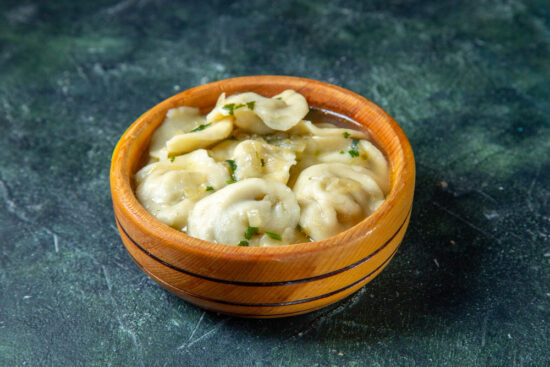
Gamja Ongsimi Small dumplings made primarily from potato
Anshika Jain - October 23, 2026Gamja Ongsimi is particularly associated with Gangwon Province in northeastern South Korea, a region known for its mountainous landscapes and long-standing potato-growing traditions. Potatoes became an important…
Bharli Karli Bitter gourds stuffed with a spiced mixture
Anshika Jain - October 23, 2026Maharashtrian cuisine is known for its thoughtful use of spices, roasted ingredients, pulses, coconut, and seasonal vegetables. Bharli Karli fits naturally into this culinary tradition, particularly because…
Most from this category
Pathrode: Layered Colocasia Leaves Become a Traditional Steamed Delicacy
Anshika Jain - October 23, 2026
Taikilo Bhaji: Exploring Goa’s Seasonal Wild Greens and Konkani Food Traditions
Anshika Jain - October 23, 2026
Pathrode: Layered Colocasia Leaves Become a Traditional Steamed Delicacy
Anshika Jain - October 23, 2026Taikilo Bhaji: Exploring Goa’s Seasonal Wild Greens and Konkani Food Traditions
Anshika Jain - October 23, 2026Kachnar Kali Curry: Unopened Flower Buds into a Savoury Delicacy
Anshika Jain - October 23, 2026
Rupjmaizes Kartojums: Latvia’s Layered Rye Bread Dessert
October 23, 2026
Gamja Ongsimi Small dumplings made primarily from potato
October 23, 2026



Leave a Comment